










Neil Sowerby is charmed by the city of Thomas Mann, merchants and marzipan
NAME me another Nobel Literary Prize winner immortalised in marzipan. There sits Thomas Mann in a tableau of 12 life-size figures hewn out of the sugar and almond treat. It is the centrepiece of a shrine at the ‘holy grail’ of marzipan makers, Niederegger of Lübeck. Qualification for being in the not-for-consumption line-up is local celebrity or lInks to this speciality synonymous with this Hanseatic city.
The ‘Dance of Death’ had 24 figures, led by emaciated corpses draped in a shroud
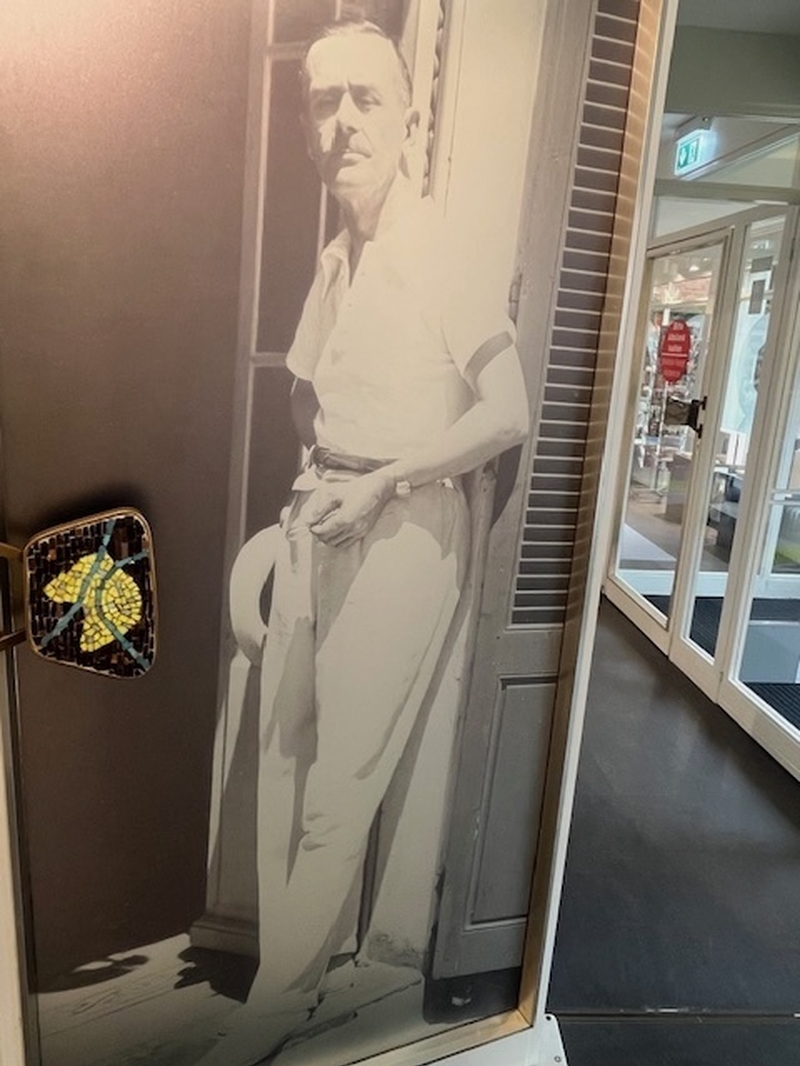
Lübeck-born Mann was a huge fan, lauding it as ‘harem confectionery’ and featuring it as a luxury in his debut novel of 1901, Buddenbrooks, which traces four generations of his grain merchant family in the North German city.
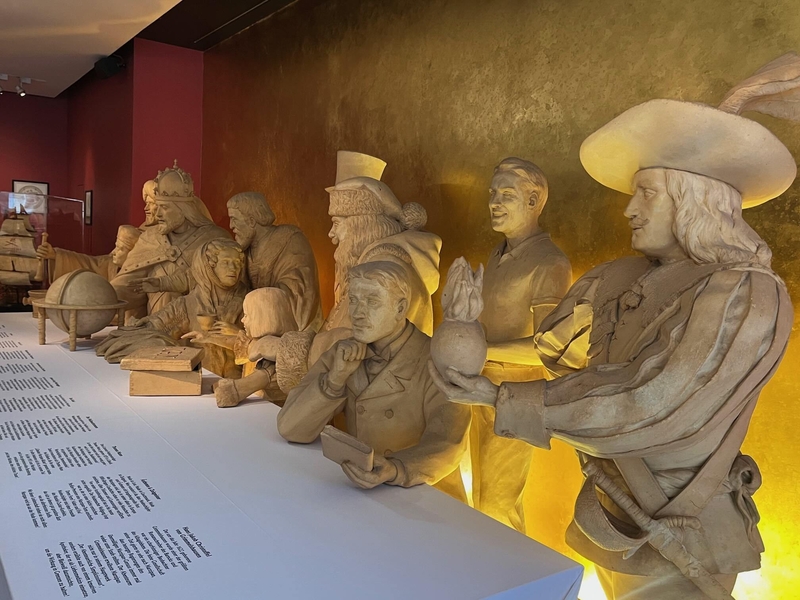
Johann Georg Niederegger founded his confectioners a century before and it’s still going strong today when most of its rivals have gone. The top floor ‘Marzipan Museum’ is the icing on the cake of the extravagant Cafe Niederegger.
If you can take your eyes off the Kuchen and marzipan creations gaze out on the Rathaus (Town Hall) opposite, itself a place of decorative wonder. Book a guided tour, alas in German only, around the architecturally random complex, where Mann’s father served as a senator and he himself was given the freedom of the city in 1955, shortly before his death.
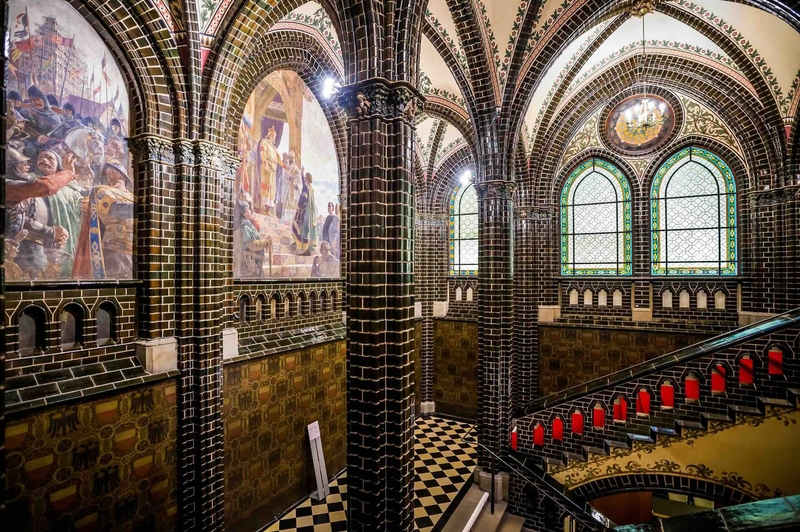
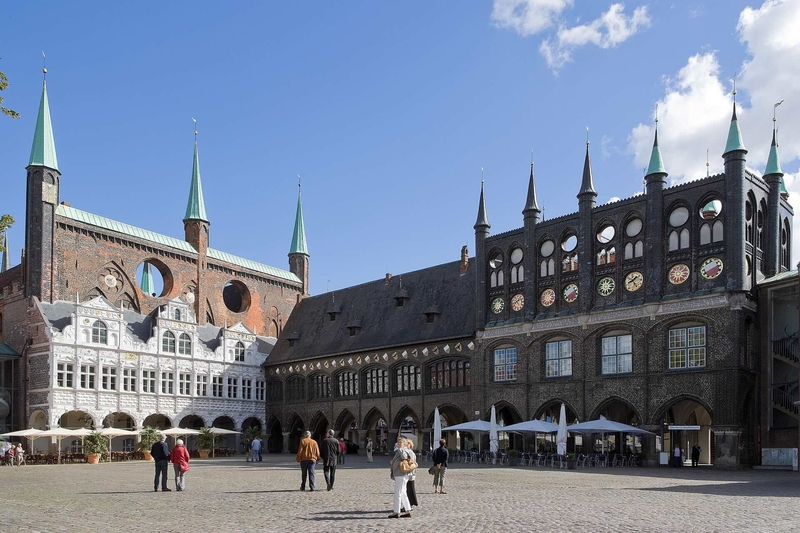
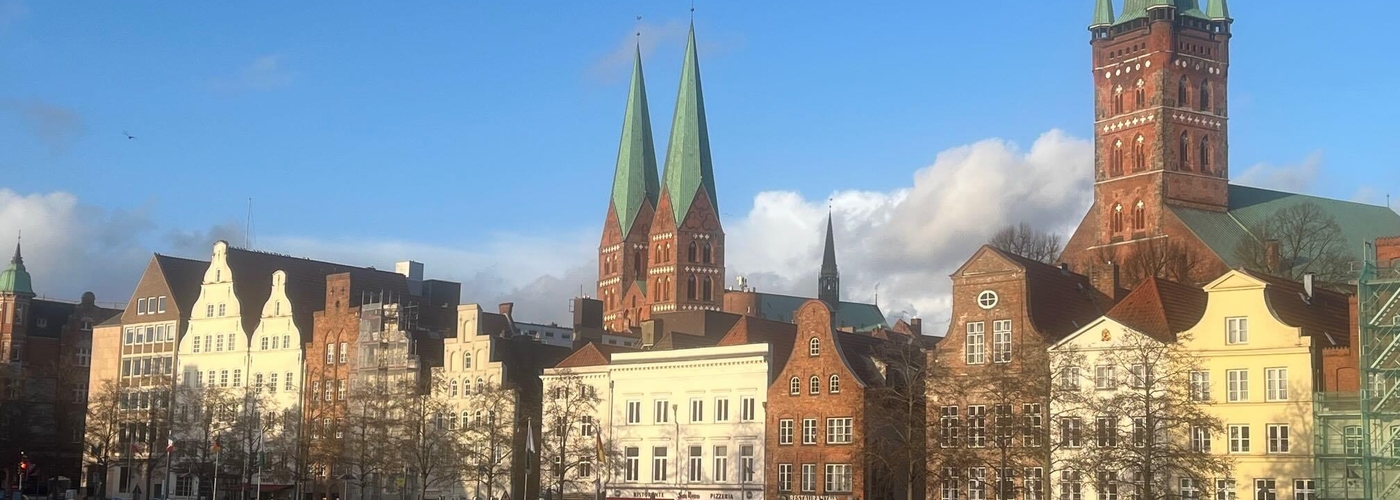
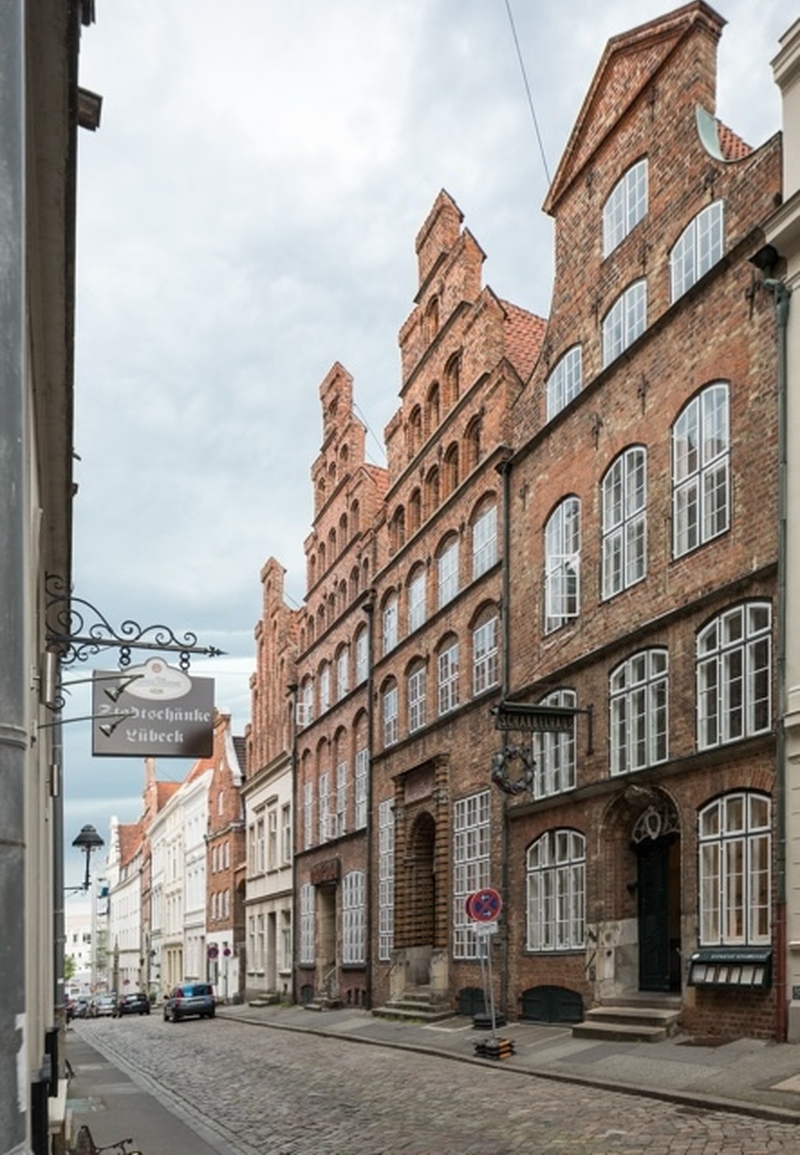
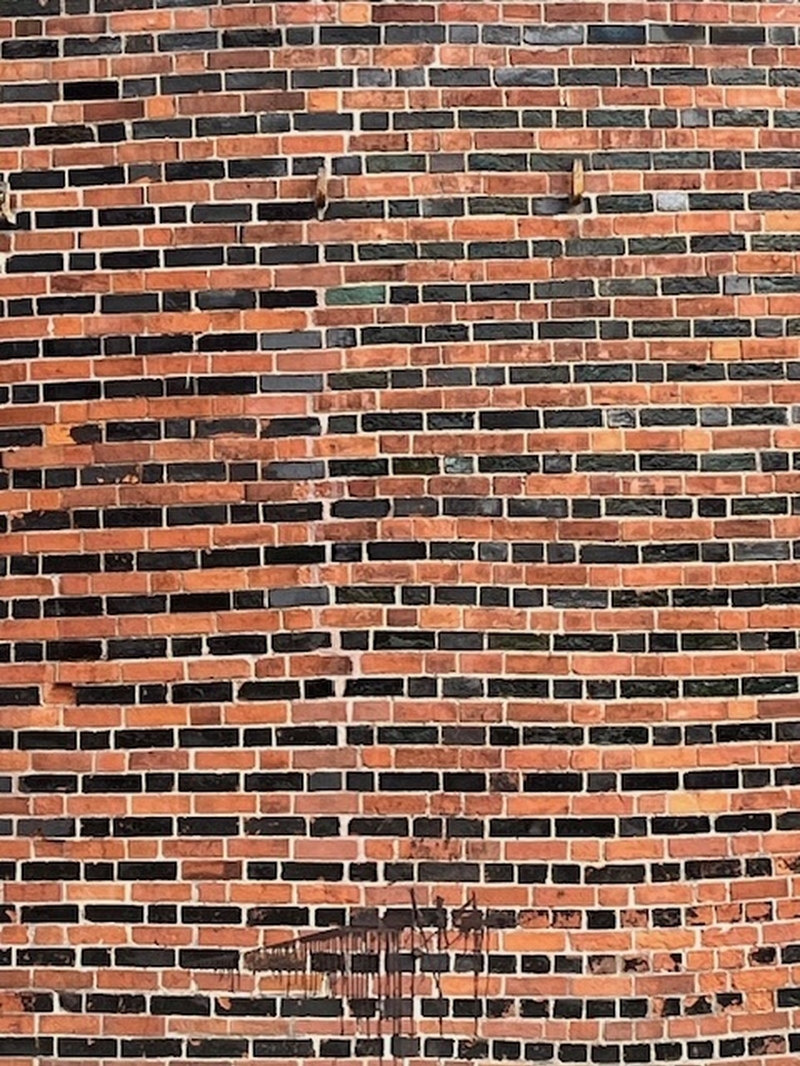
Back in the late Middle Ages and beyond, the Rathaus was the seat of the Hanseatic League, a powerful confederation of commercial interests across Northern Europe. Their wealth created the spellbinding Lübeck Old Town, a UNESCO World Heritage site. Brick, roseate glowing brick, is the building material, Gothic and spires the church style, elaborate gables the defining features of merchants’ mansions (Mengstasse the apogee), plus there’s the hidden surprises of the courtyard alleys called Gänge.
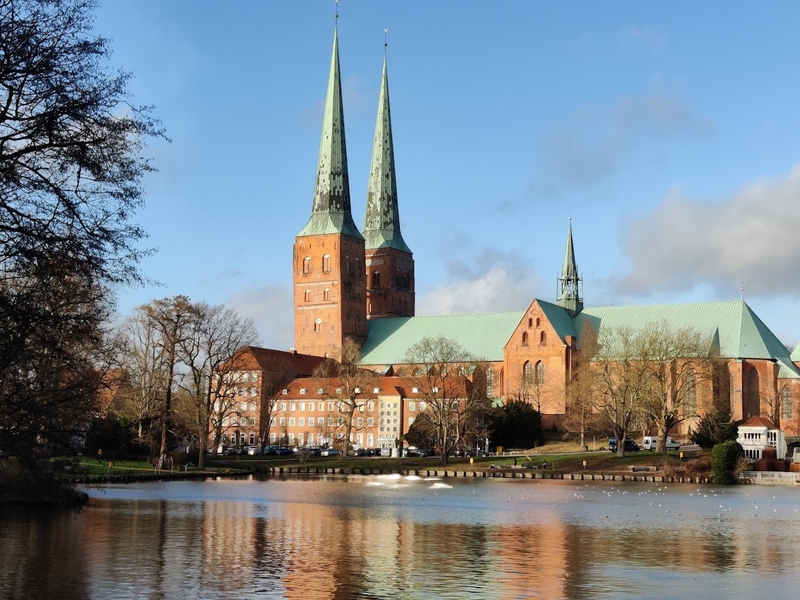
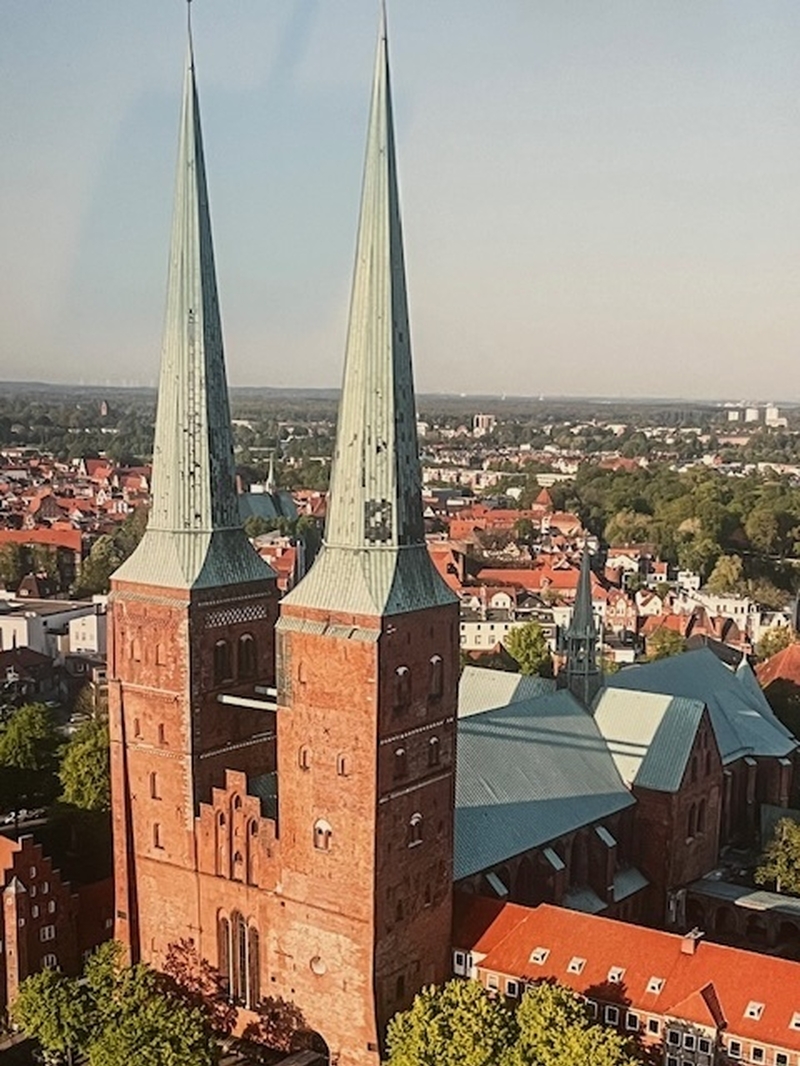
For the best panorama, including the distant Baltic Sea, climb up among the spires to the viewing platform of St Petri. Or, if you’ve over-gorged on marzipan, take the lift. From the top you can see the rest of the ‘Seven Towers’ that make up the city’s five defining brick churches. The 850-year-old Dom (Cathedral) and the Marienkirche each have two. The first is surprisingly situated right on the edge of the Old Town, the latter in the centre. All down to medieval guild politics, apparently.
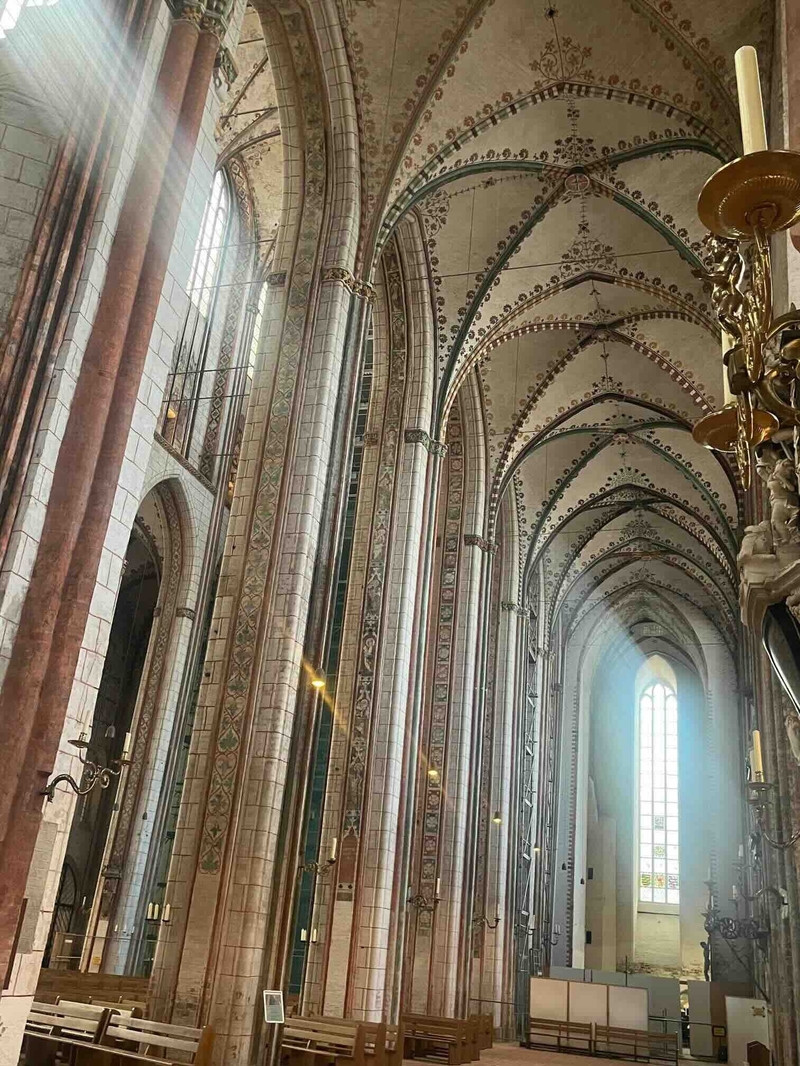
The Marienkirche is a phoenix in brick
If time is short the must-visit church is the Marienkirche, next door to the Rathaus and the great market square. As the first entirely brick basilica, it’s a Hanseatic landmark, its towers topping 400ft. Wartime RAF bombing, apparently in revenge for Coventry Cathedral, left it a shell, but it held firm. I ventured in out of the rain just before closing, when visitors were few, to gawp at the highest brick vault in the world… and three remarkable treasures.
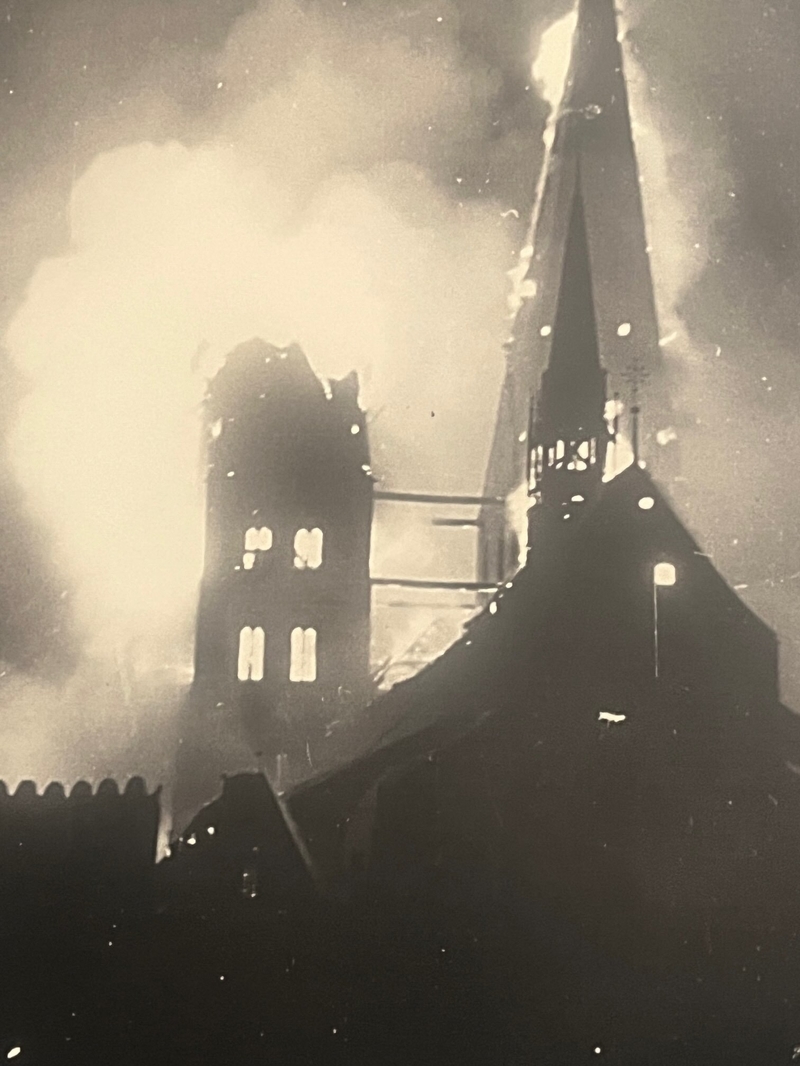
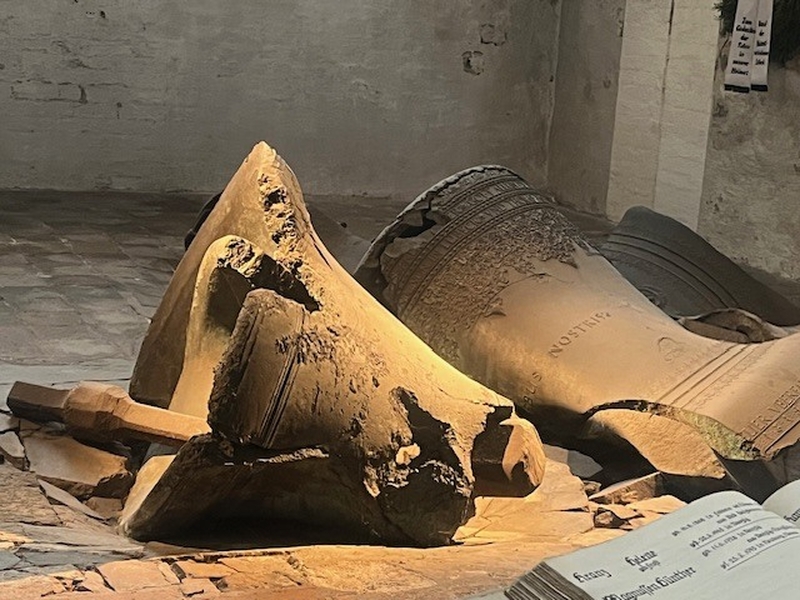
The most poignant is ‘The Broken Bells’, left where they fell after the apocalyptic raid on Palm Sunday 1942. The shattered duo, their bronze partially melted into the ground are kept as a monument to peace.
The church’s famous ‘Dance of Death’ didn’t survive. The original 1485 reminder of mortality in the face of plague and sin was a 26m long, 2m high linen canvas. The painting had 24 figures, led into the dance by emaciated corpses draped in a shroud against a bucolic landscape and, far away, Lübeck city. Moral of the tale: the devil’s scythe will mow us all down in the end. By 1701 it had worn out and was replaced in the confessional chapel by a replica, which was destroyed in the wartime conflagration.
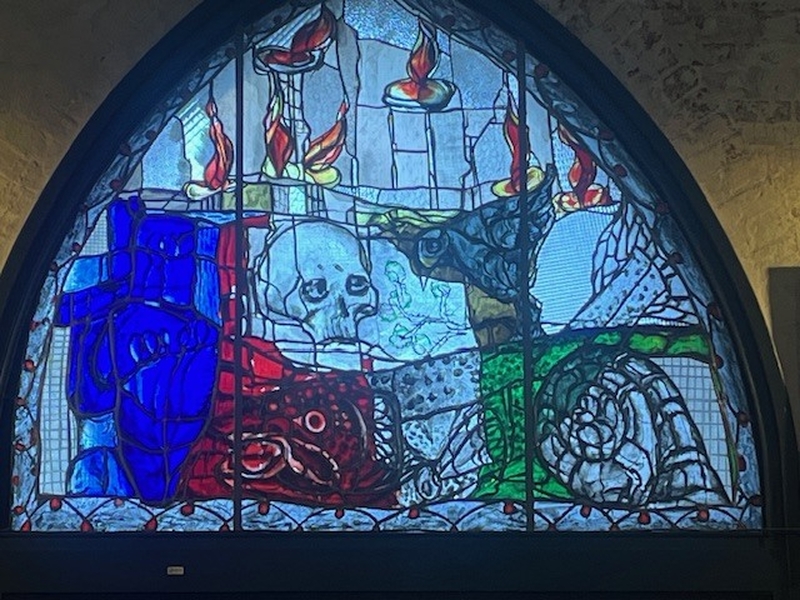
Today, two more recent artistic interpretations on the spot keep the theme alive. These are the two towering Dance of Death windows by Alfred Mahlau on the north wall and the semicircular window by Markus Lüpertz above the north portal of the chapel.
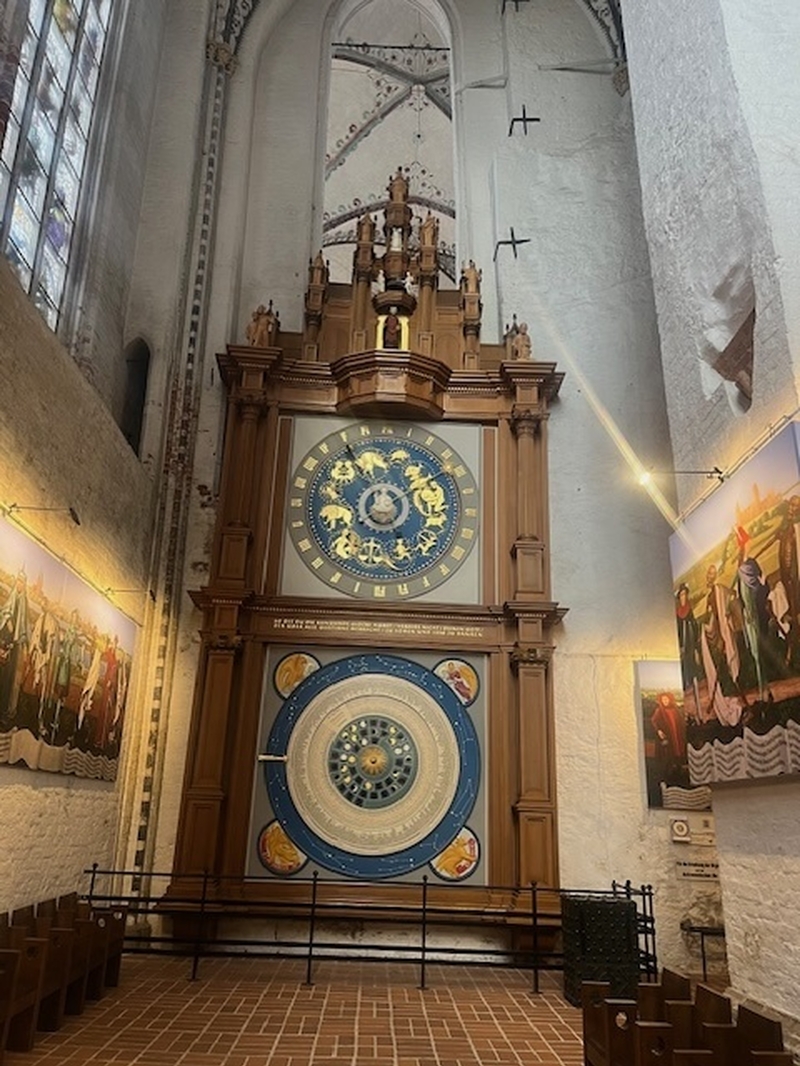
Close by is another intricate replica of a wartime casualty, the 16th century Astronomical Clock, a two-storey timepiece showing the time, date, location of the zodiac signs, and the positions of the Sun and Moon. Each day, when the clock strikes noon, a procession of eight little people meant to represent the citizens of the world passes before a figure of Christ, who blesses them.
The acoustics in the Marienkirche must be stunning. If you are visiting Lübeck in summer months book in for a concert. Its musical reputation dates back even beyond 1705 when Bach made a 250 mile pilgrimage to pay homage to the church’s legendary organist Buxtehude.
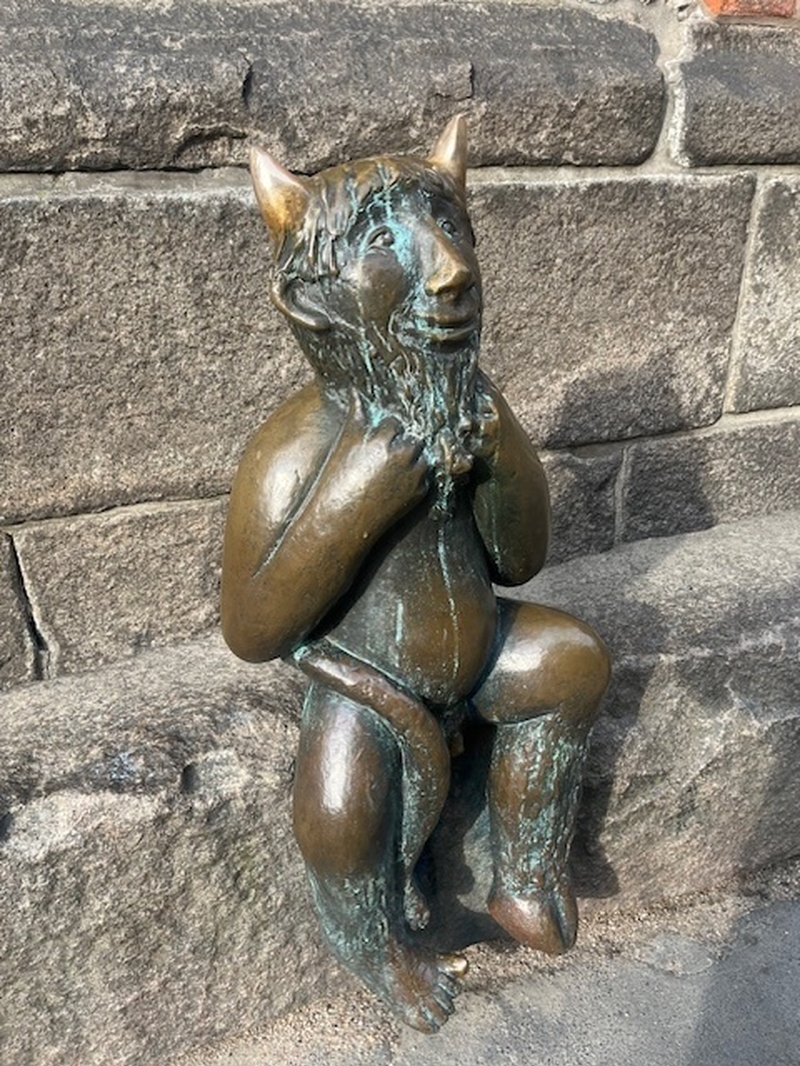
Turn left on leaving and you’ll encounter a little devil – well, a bronze statue of one, added in 1999 to a stone slab that supposedly dates back to the Marienkirche’’s construction. The story goes Satan dropped by and when workers told him they were building a wine bar – souls to tempt? – he lent a hand. Realising he had been tricked, he picked up the slab to destroy the church, but a quick-thinking labourer promised they would add a Keller to the Rathaus. He relented and dropped the slab on this spot. The claw marks are still on it; the Keller is still serving.
Literary Lübeck and a political giant
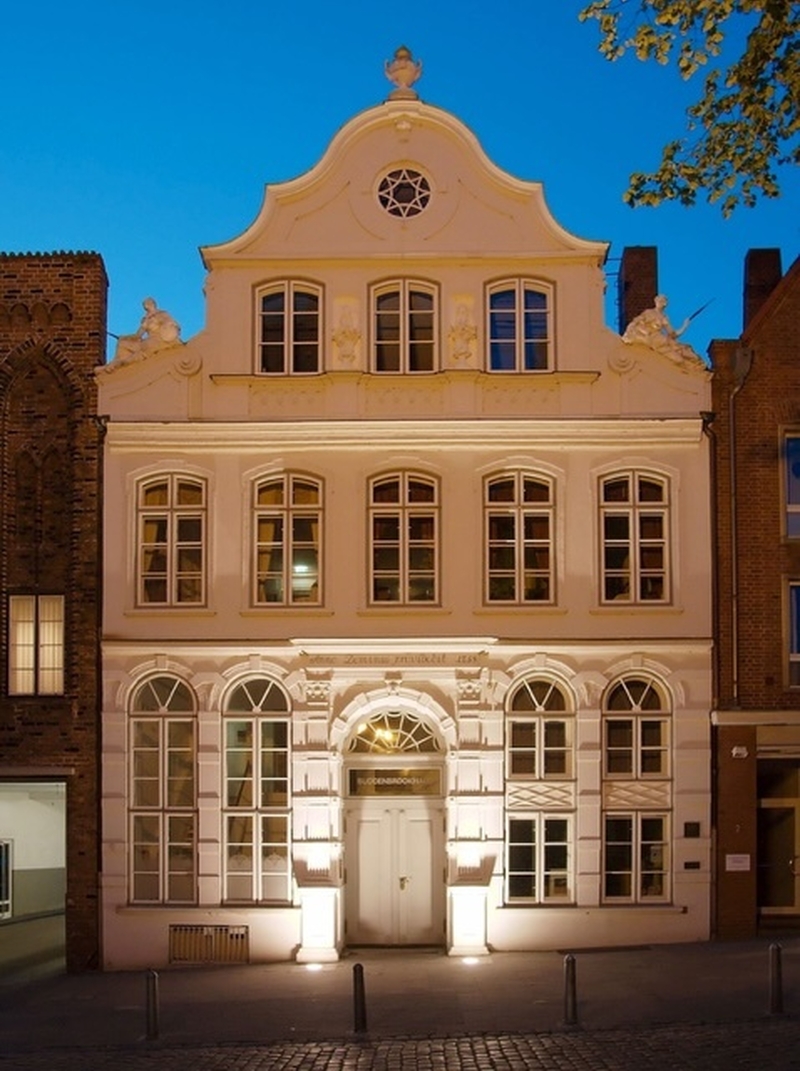
I learnt the legend on a literary-themed walk, which inevitably centred on Thomas Mann, whose 150th anniversary was celebrated in 2025. The house where he was born was destroyed (there’s a KFC on the site), but his grandfather’s old 18th century family home at 4 Mengstrasse with its Rococo facade was rebuilt. This is the Buddenbrookshaus museum, closed for major renovations until 2030.
Meanwhile, on the Market Place you’ll find a Mann information centre with an exhibition, books and the chance to buy a Playmobil model of the author, which I couldn’t resist. Grab a self-guided Mann tour map in English.
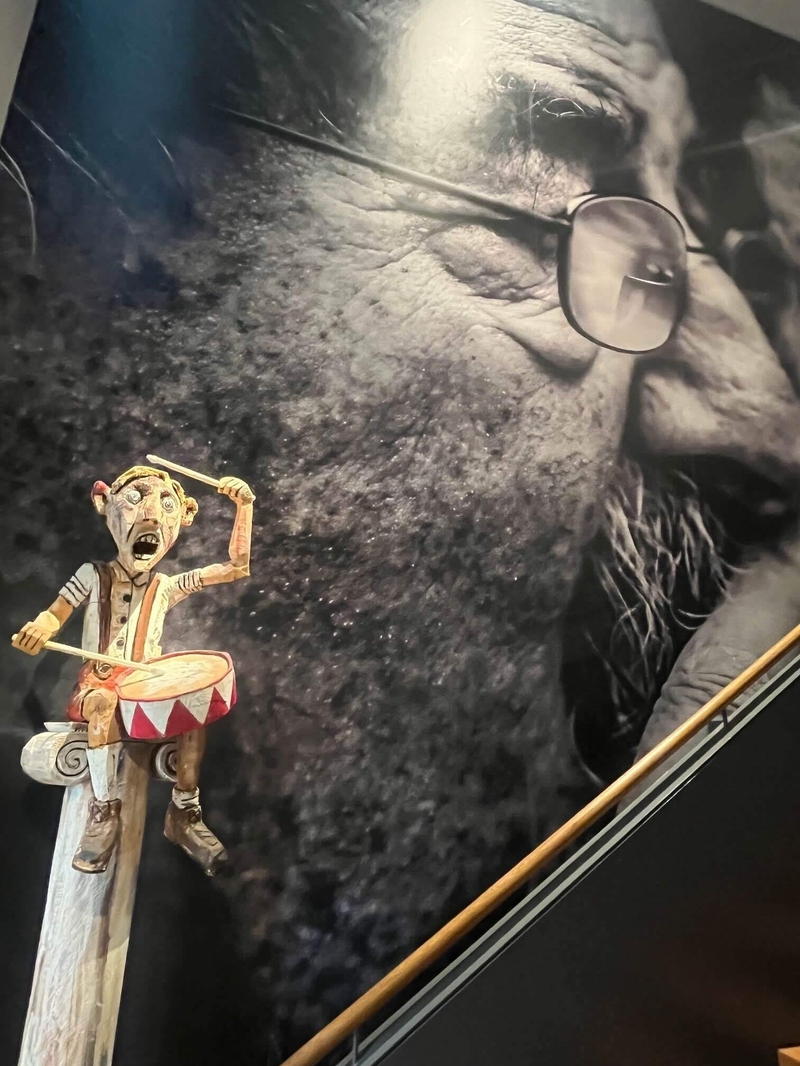
Mann is not the only Nobel Laureate honoured in the town. The Günter-Grass-Haus is a wonderful interactive memorial to a great German writer of a later era, whose own debut novel, The Tin Drum, published in 1959, was an overnight worldwide success. 40 years later he won the Nobel. This museum demonstrates what a remarkable visual artist he was, too, as well as the conscience of post-Nazi Germany. Controversy came with his belated 2006 confession that at 16 had been recruited into the Waffen SS in the dying stages of the War.
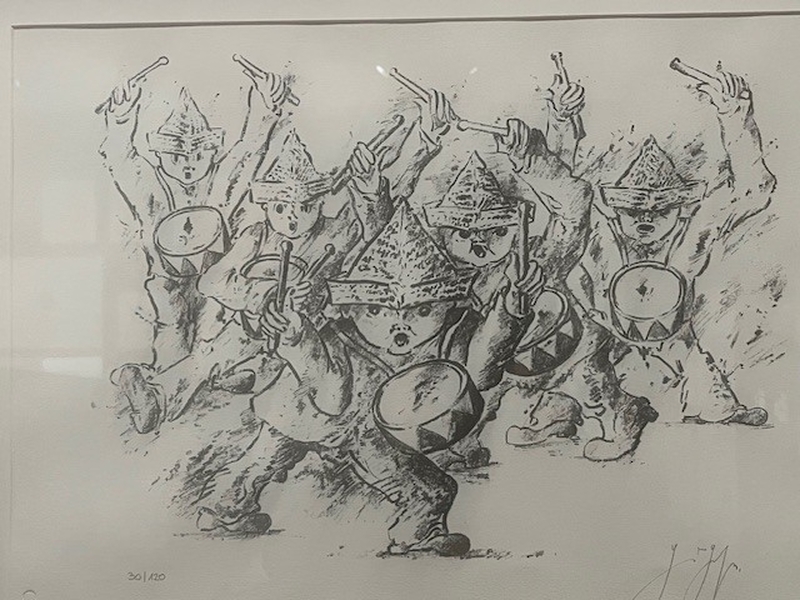
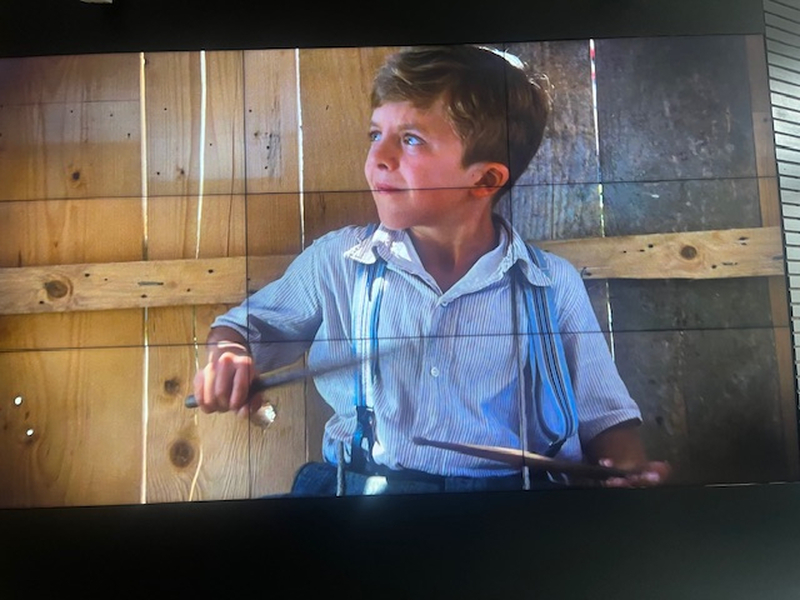
This complex man was born in 1927 in Gdańsk, then the German city of Danzig, 700km to the east, but inexorably linked as a fellow Hansa city. Perhaps it was the familiar scent of the Baltic that made him move to near Lübeck in his later years, finally setting up this workplace, tucked in its sculpture garden off picturesque Glockengießerstraße.
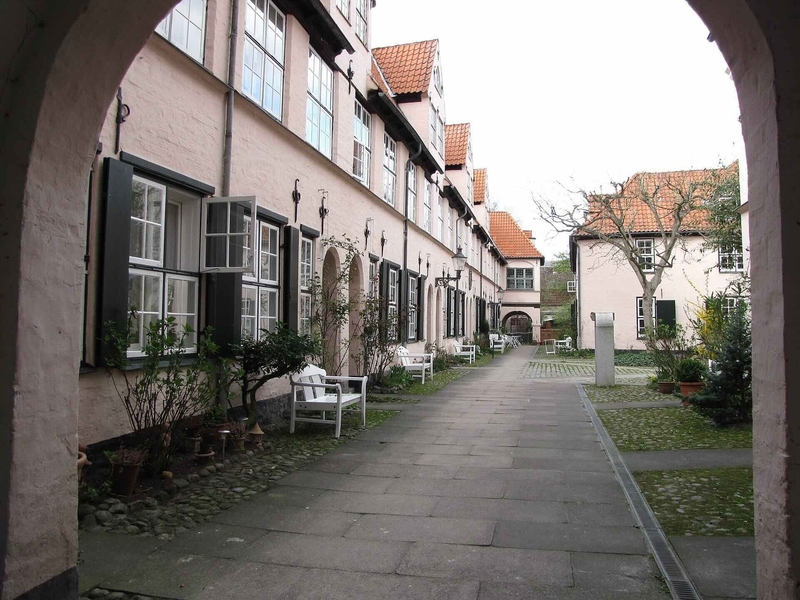
It’s along this street you’ll find entrances to the finest Gänge and Höfe (residential alleys and courtyards), medieval boltholes that add such character to the Old Town. Once there were 180; now it’s down to 80. Some are even gated. Grandest of the bunch? Probably the Füchtingshof created by merchant Johann of that name in 1640, and described as a Baroque jewel. Or the earlier Glandorps Hof, sponsored by another Johann to house “Widows of honourable standing, good, honest behaviour”, who are “oppressed by patiently endured poverty”.
Lübeck’s third Nobel Laureate, this time for Peace, was Willy Brandt, Cold War Mayor of Berlin and later the first social-democratic Federal Chancellor. The Willy-Brandt-Haus, far too grand to be his actual humble birthplace (he never knew his father), traces that illustrious career and, by association, the whole of Germany’s turbulent 20th Century history. Worth spending time in.
The neighbouring Museum Behnhaus Drägerhaus is not as compelling. The fabric of this Neo-Classical merchant’s house is stunning, the art collection less so, bar a clutch of Caspar David Friedrich Romantic seascapes. Very Baltic.
The Hansa – in a league of its own
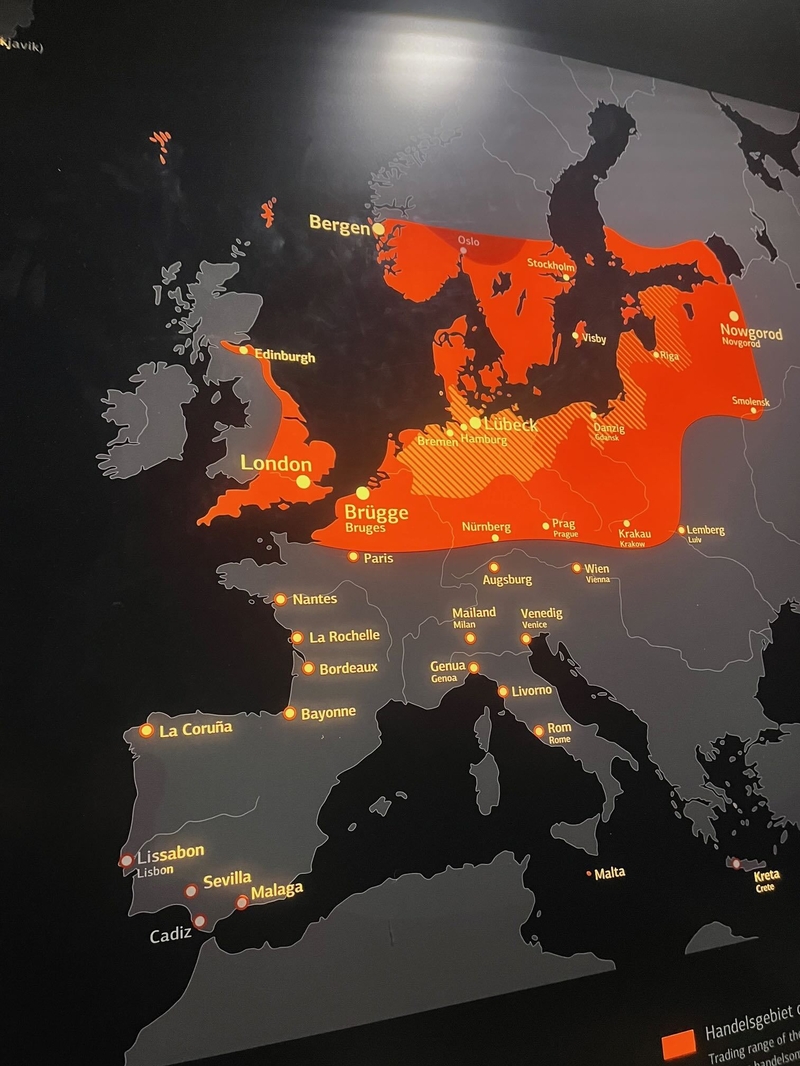
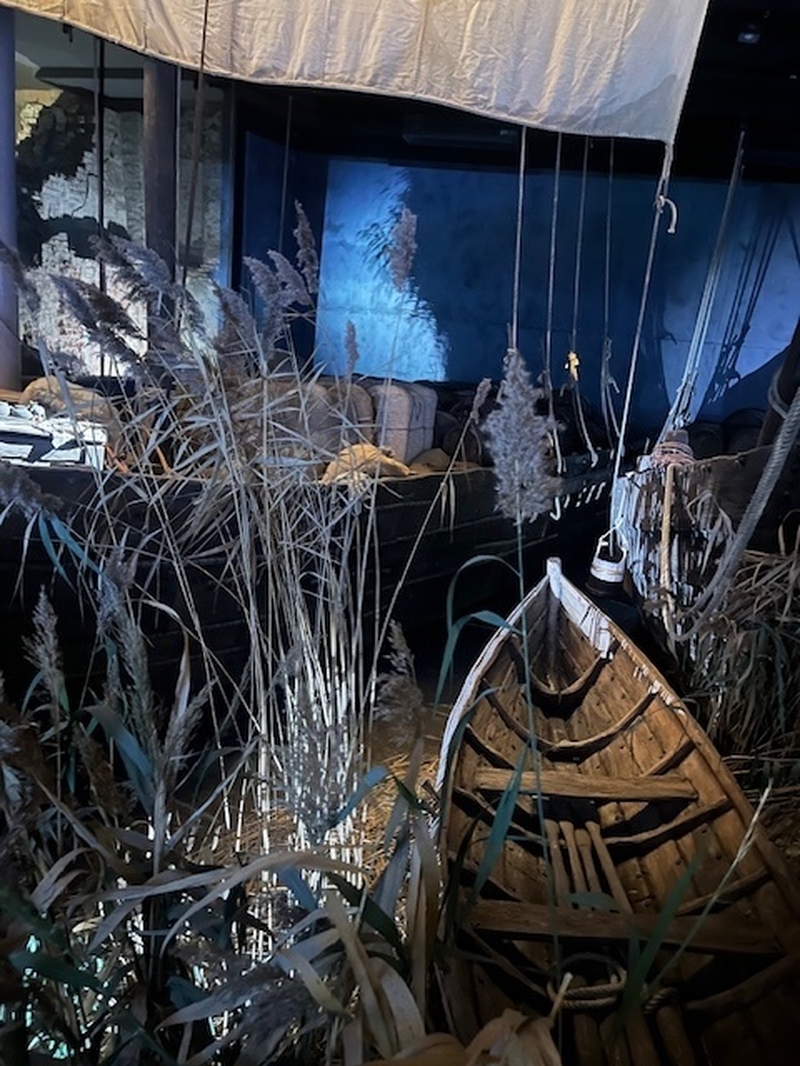
The Baltic, of course, spawned the Hanseatic League and it is fitting that the confederation’s epicentre should host The European Hansemuseum, a state of the art facility on an ancient site overlooking the old port of Lübeck. Its labyrinth of interactive spaces recreates life in the League’s outposts across Northern Europe and displays manuscripts and treasures from its centuries of operation (12th-16th) before its eventual decline as trade recalibrated westwards to the New World.
In the Hansa heyday Novgorod traders brought furs, wax and honey by ship from Russia, amber came from Bergen in Norway majored in the dried cod cod called stockfish, while herring was a ubiquitous staple. Fabric and finished metal goods came from Flanders and England. Indeed London was home to the Steelyard, an influential Hansa base by the Thames.
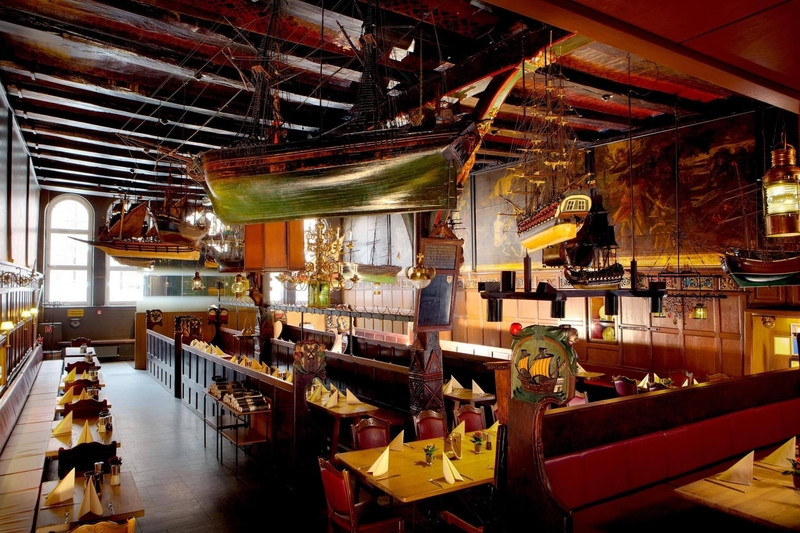
After the museum I’d recommend lunching at the nearby Restaurant Schiffergesellschaft, the atmospheric embodiment of the city’s golden age. It translates as Seafarers Company. Their guild was formed as the St. Nicholas Fraternity in 1401, the sailors’ church, the Jakobskirche, is across the road, and the restaurant’s main dining hall is a riot of ship models, murals and maritime memorabilia.
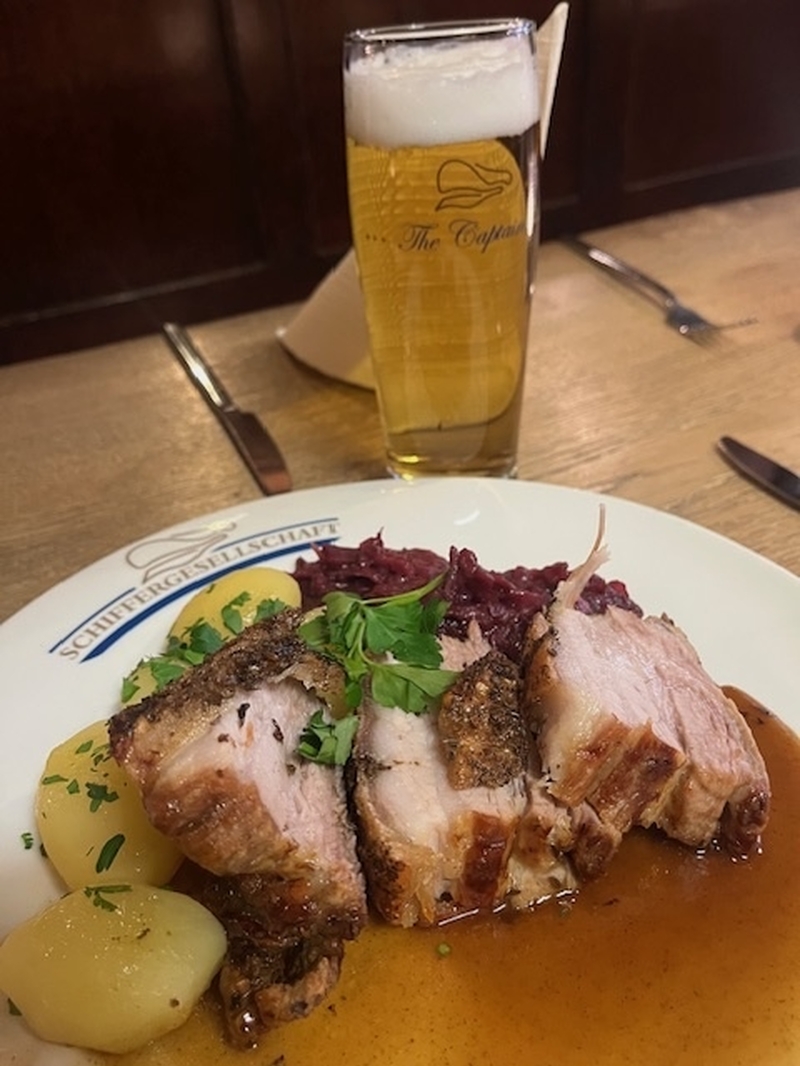
Typically Labskaus is on the menu – corned beef, potatoes, beetroot with a fried egg – but I’d order the Schweinebraten with the crunchiest of pork crackling and wash it down with tart, crisp Jever Pils as you sit at one of the long oak tables on benches called “Gelage”. The Captain’s Table is slightly elevated. The coats of arms on the sides of the benches denote the nautical pecking order. The cellars below once offered shelter to the destitute.
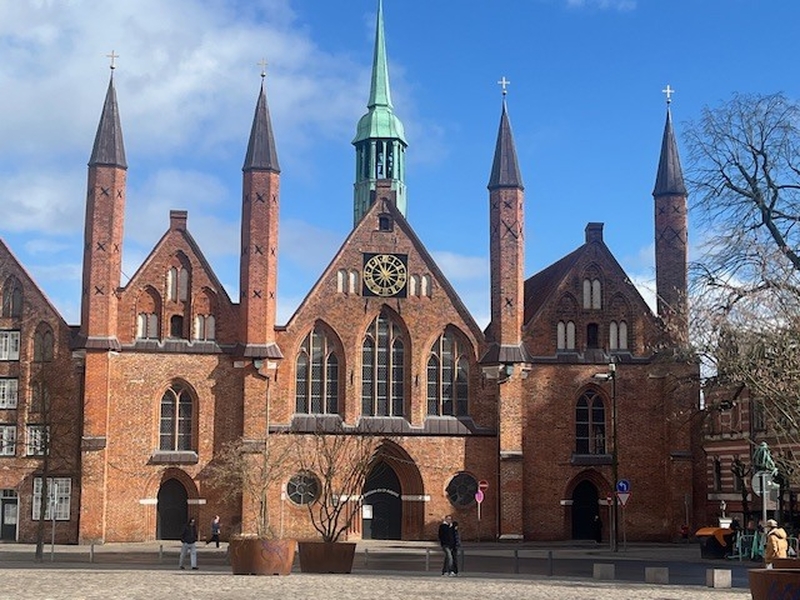
Charity was important in a mercantile powerhouse garnering such wealth. Across the breezy Koberg Square is the Hospital of the Holy Spirit, completed in 1286. Its three gables and four spindly spires, all in brick naturally, provide an exotic facade. Push open the heavy front door and pass through the great frescoed hall to discover the rows of cubbyholes that for centuries provided a refuge for the needy.
Further tastes of the Baltic
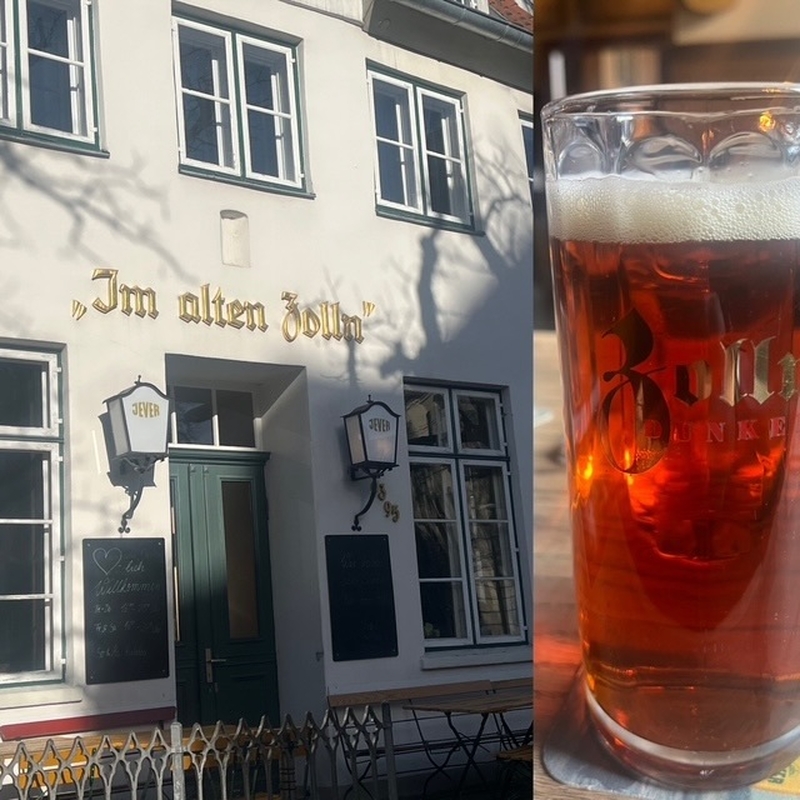
Lübeck’s oldest actual kneipe (pub) is Im Alten Zolln, not far from the Dom. I felt instantly at home in this cosy former custom’s house which, alongside Jever, pours its own malty Dunkel.
If you fancy a beer trail the city has two contrasting full scale breweries, the trad hearty-food centric Brauberger zu Lübeck (order their English style IPA Revenge) and, a half hour trek out of town, Sudden Death with its American-style taproom. Expect hazy craft IPAs and pizza.
The Old Town is effectively an island surrounded by the Trave river and its branches. Stroll up the Untertrave riverbank to reach two of the city best and yet most approachable restaurants.
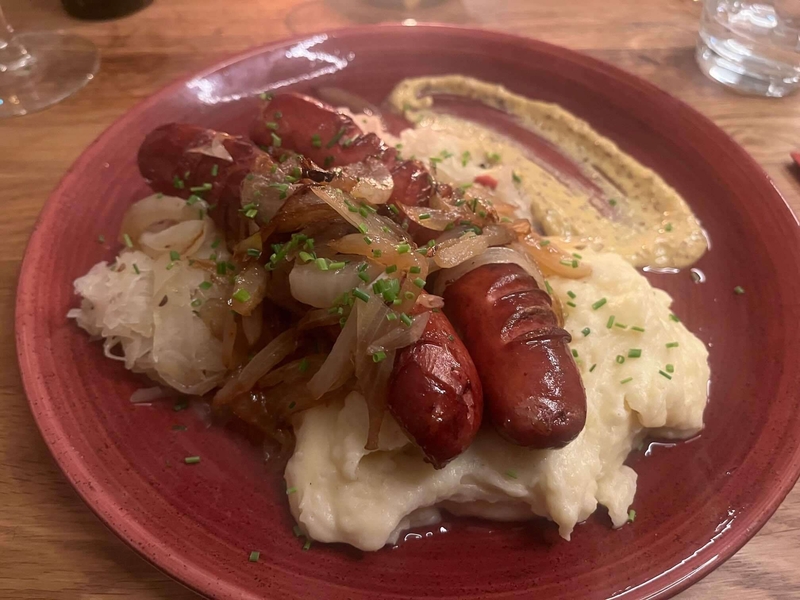
Fangfrisch looks out across a harbour now devoted to pleasure craft and has a great way with fish. The more ambitious brief of Restaurant Ziegelei is modern interpretations of regional classics with sustainable sourcing. My main of Wildwurst venison sausage was attributed to local artisan butcher, Lohff. Lübeck is surprisingly short of fresh food shops, but if herring in all its glory is your bag head for the Hans-Peter Krützfeld deli on Hüxstraße.
This particular street boasts 113 individually-owned stores, bars and restaurants over a length of 517 meters and is the chicest shopping thorough along with the parallel Fleisghauerstrasse (former butchers quarter).
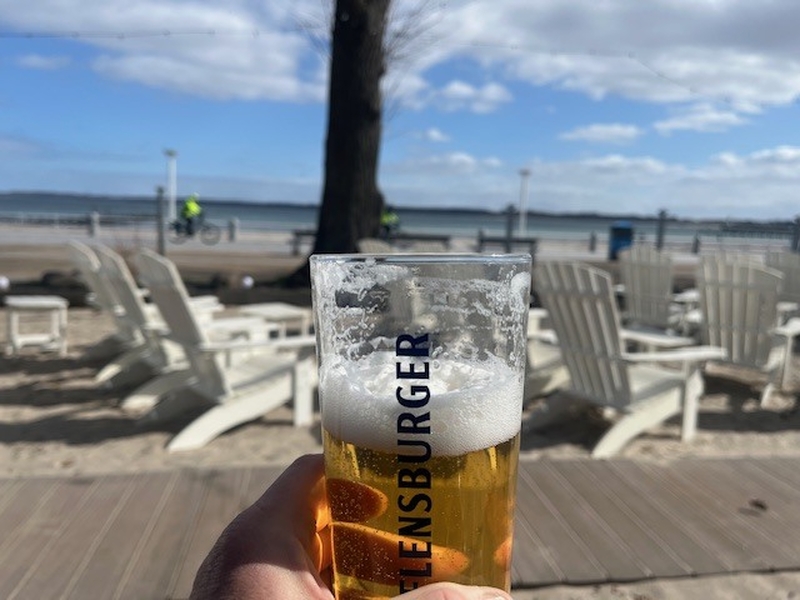
Travemünde the German St Tropez?
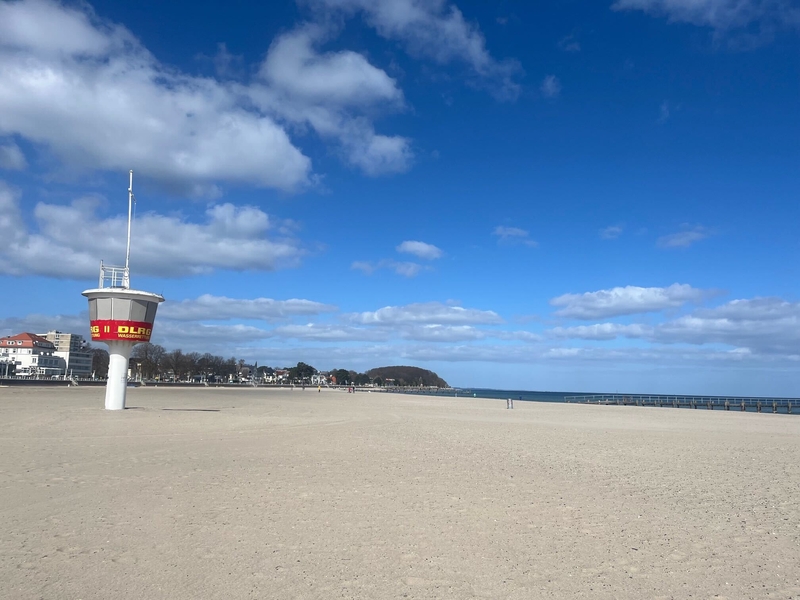
You can take a leisurely boat trip out to the estuary of the Trave; I chose the 20 minute train ride, coming in past the ferry terminal to Sweden. Key episodes in Buddenbrooks are set in Travemünde, representing childhood innocence and romantic freedom. In the 19th century Germans flocked to it for its casinos, spas and the new found fashion for sea bathing. Comparisons were made with St Tropez and it retains some of that opulent vibe, even if its major tourist attraction now may well be its Sand Sculpture Park.
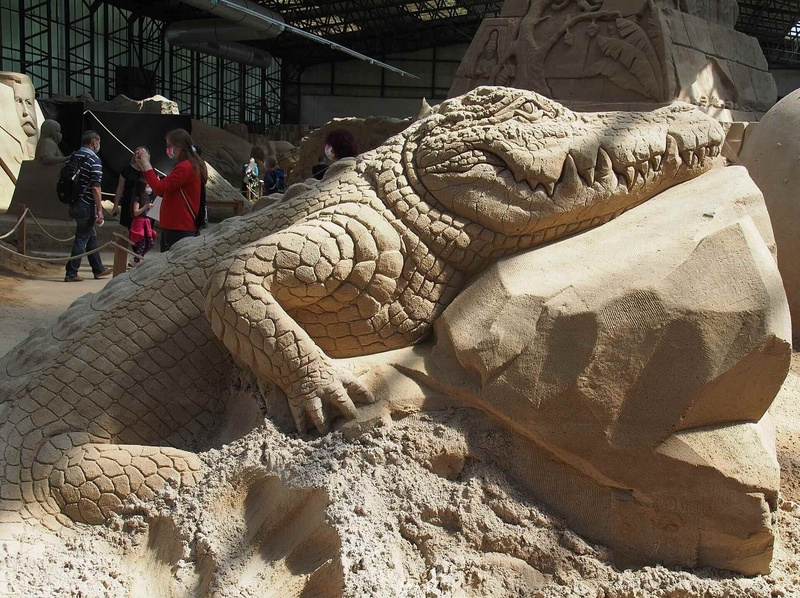
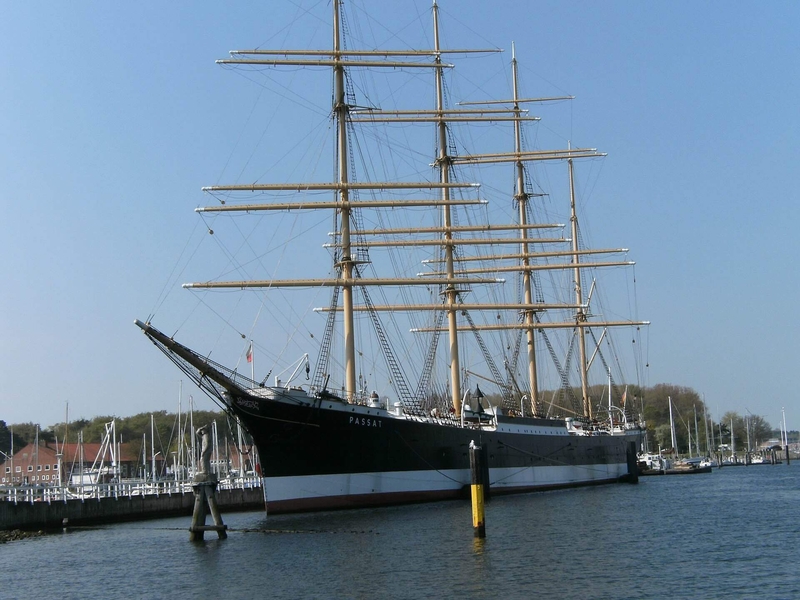
A stroll along the long beach promenade offered sand enough for me. Best photo opportunity? Across to the Priwall shore where the four masted barque Passat is moored as a floating museum.
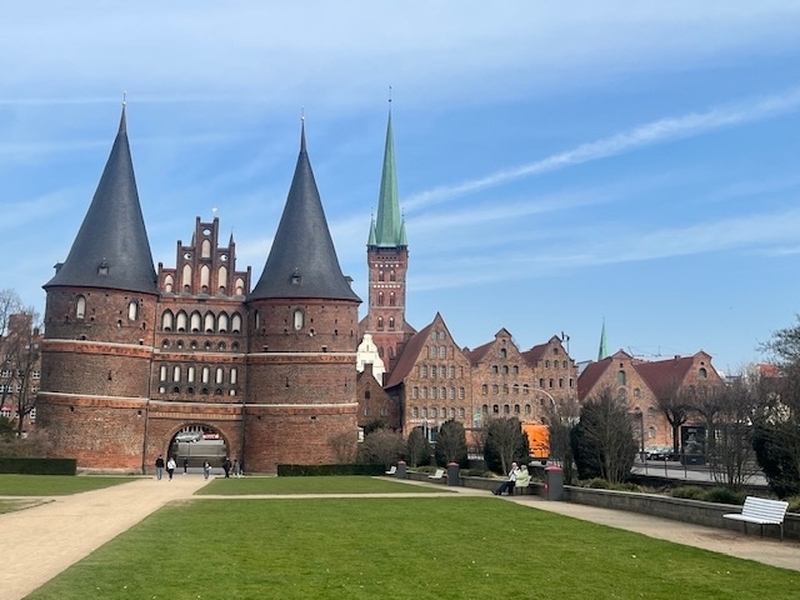
More visual magic. After arriving back at Lübeck Hauptbanhof the short walk into town offers one of Germany’s great Instagrammable feasts – the iconic Holstentor, the western city gate, flanked by the Salzspeicher, riverside salt warehouses. A harmonious symphony in brick that sums up Hansa Stadt Lübeck.
Fact File
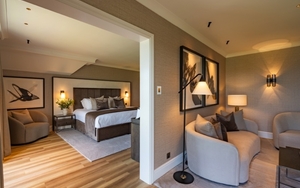
Neil stayed at LIHO Lübeck Hotel Lindenhof, Lindenstrasse 1a - 23558 Lübeck. Warm, quiet and quirky. Honesty bar recommendation – buy a mini-bottle of Rotspon, a red wine imported from Bordeaux and aged locally in barrels. You’re carrying on a centuries-old Lübeck tradition.
He flew from Manchester to Hamburg Airport with easyJet and then took the train to Lübeck via Hamburg Hauptbahnhof (taking an hour and a quarter in total). Alternatively there are also regular flights with Ryanair from London to the separate Hamburg-Lübeck Airport, which is half an hour south of the city.
Go to Germany Travel for full national tourism information and Visit Lübeck for the local lowdown.
Germany’s Baltic Coast caught your imagination? Check out my article on the other Hansa Towns and Rügen Island.