








Coal fields, killing fields and the edible bounty of the marshes on a revelatory road trip
Neil Sowerby spent early autumn on a road trip across Northern France. Here is the first of his three reports…
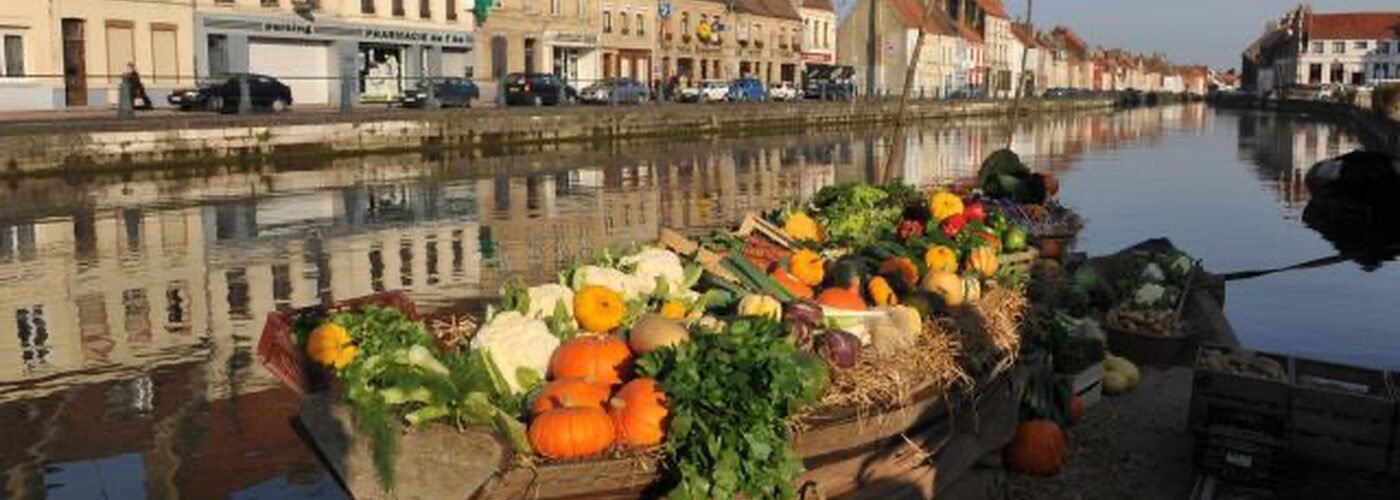
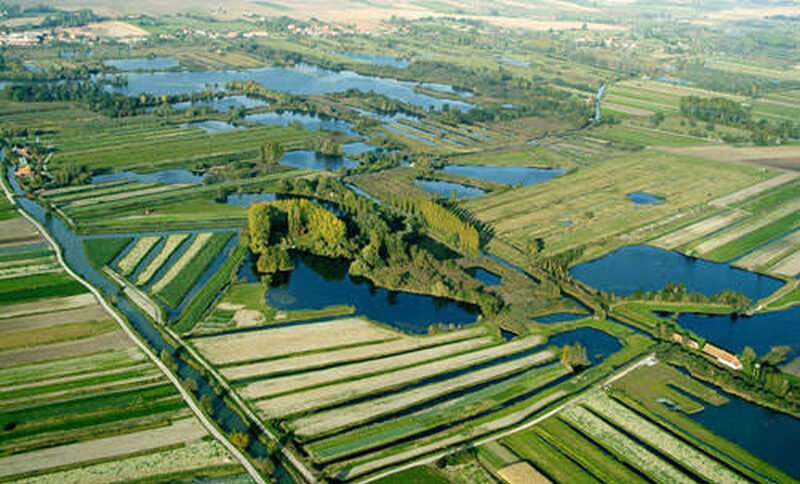
MARSHES have always mesmerised me. Many writers too. Romney where Pip met the convict Magwitch in Great Expectations or Devon’s Great Grimpen Mire in the Hound of the Baskervilles are just two settings that grip like a quagmire. The Audomarois marsh in France’s northlands, the Pas de Calais, is a different proposition – offering on its wild side a wealth of bird and plant life and from its peat-rich, raised plots an abundance of coveted vegetables – the Tilque carrot, Leblond leek and the sweet Summer Cauliflower harvested from June onwards.
Warning, this is one stinky fromage, best not taken on rail journeys with you (I did)
It’s reckoned there are 600km of waterways criss-crossing 3,700 hectares of UNESCO World Heritage protected wetlands, its fringes only a mile from the chic centre of Saint-Omer.
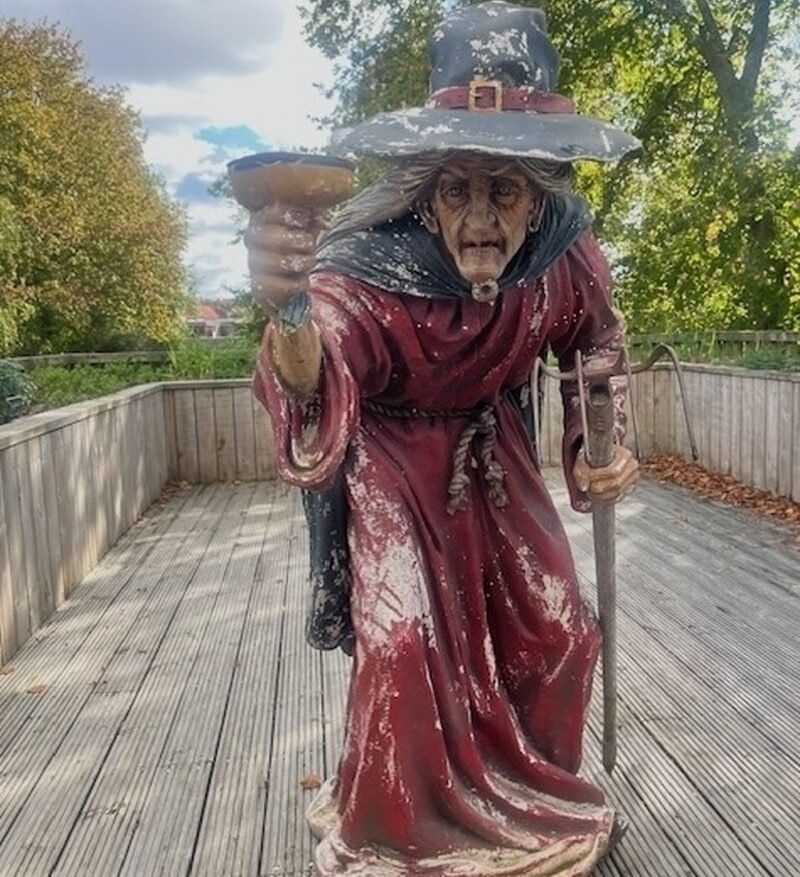
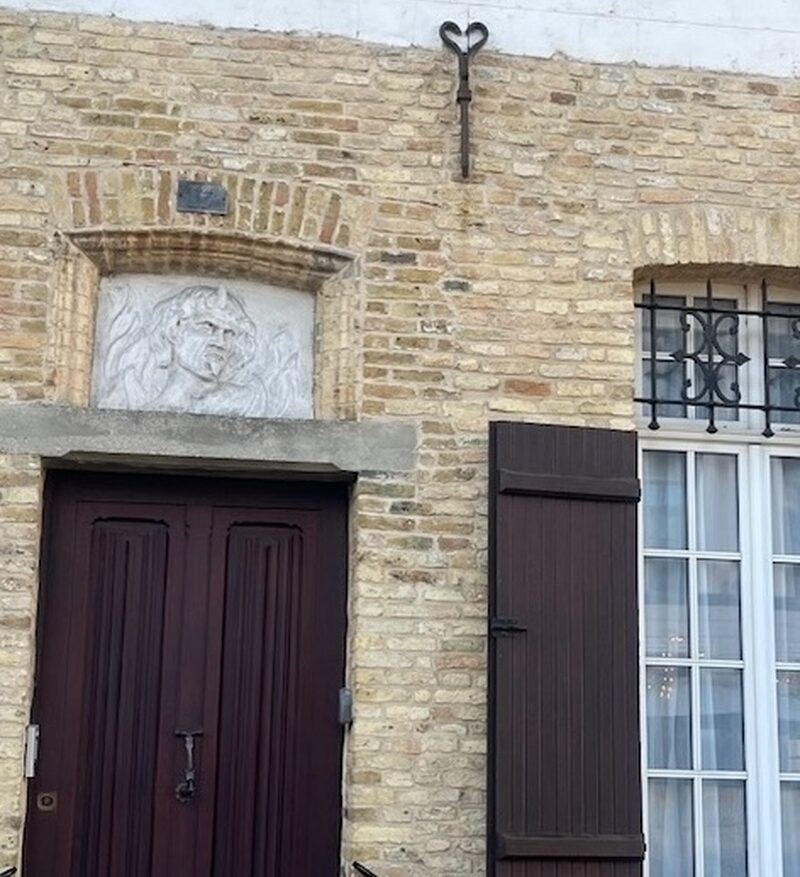
Audomarois has its own hauntings, mind. A resident swamp witch, all too ready to haul an off-guard child into its murky depths. Her name is Marie Groët, her weapon of choice a groët" (or grauet), traditional hooked fork for pulling up crops or weeds. OK, it is a cautionary tale delivered by parents over hundreds of years; still as I dangle my hand in the canal I shudder as it snaggles on a sheaf of displaced reed.
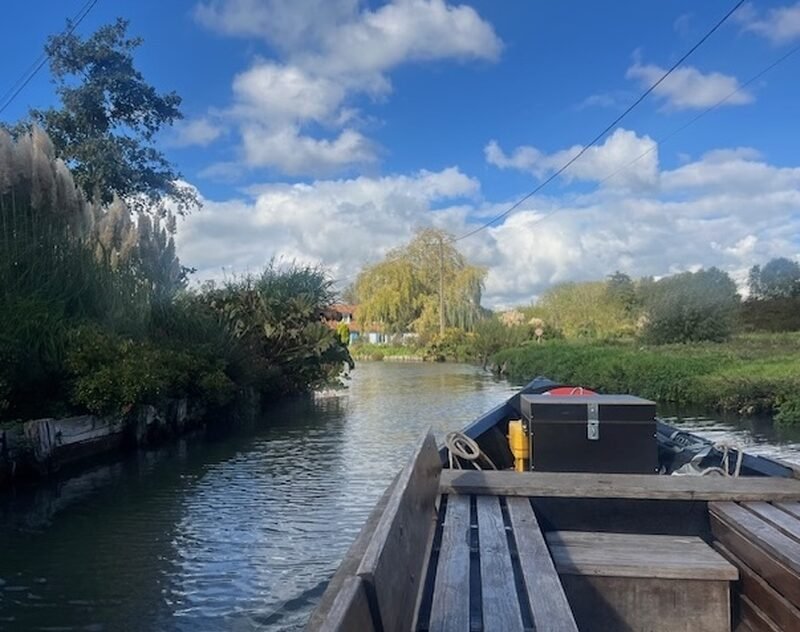
We are on a guided boat tour from the ‘Maison de Marais’ immersive (sic) heritage centre, which boasts a statue of Marie. Not as fearsome as it might be. One legend has her as half toad.
Our vessel is a bacôve, the kind of sturdy, oaken, flat-bottomed boat used to transport the crops since the 17th century, when dyke building first created what is today France’s last remaining wetland floating-garden system. In the Seventies there were 300 market gardens on site; today just it’s 30. We float past the last remaining windmill, long since mothballed.
After the marsh the delights of Saint-Omer
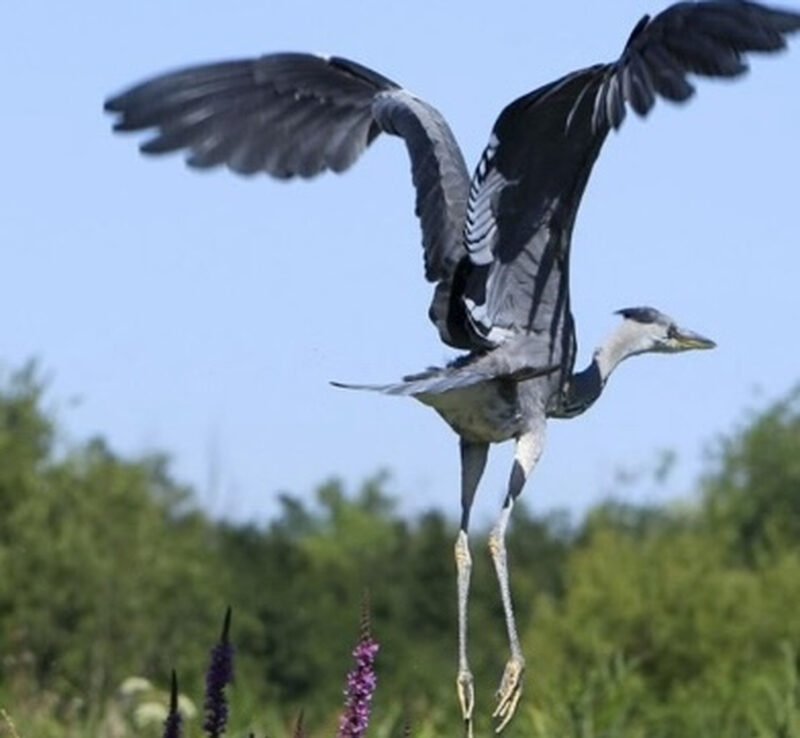
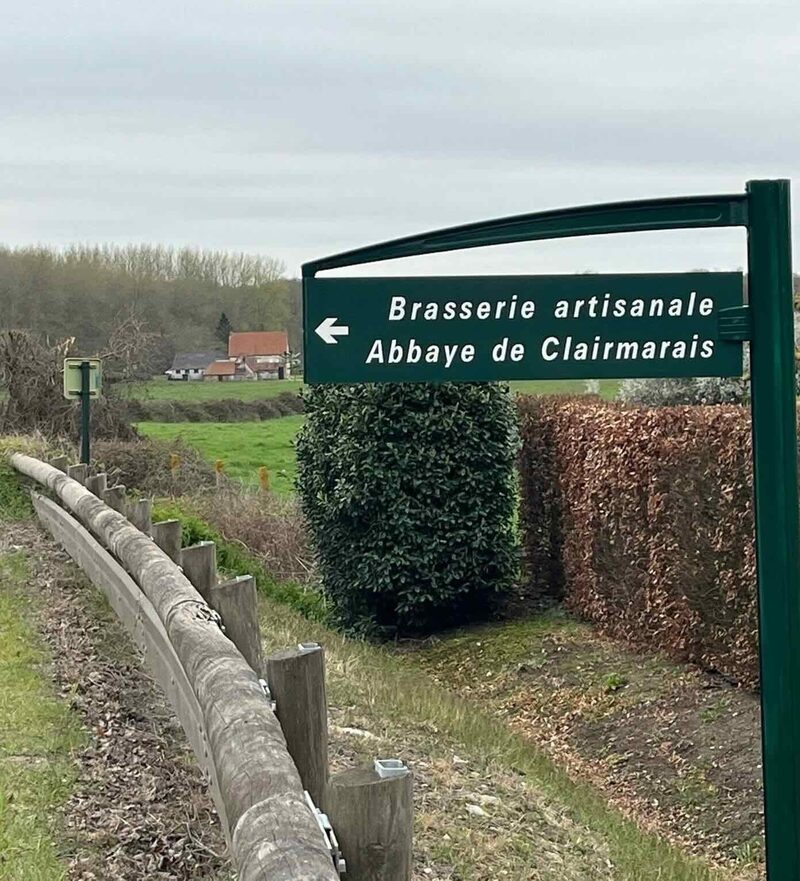
So the marsh’s future is very much entwined with bio-diversity and eco-tourism. It lies on major bird migration routes. Bring your binoculars. Chill. Maybe with a beer from a microbrewery in the cauliflower capital, tiny Clairmarais. Little remains of its Cistercian Abbey founded in 1140, save for the 17th century farmhouse, part of which is now home to the Brasserie Abbaye de Clairmarais. Here brewer Laurent Delafosse puts his own spin on the blondes, brunes and tripels that dominate the region’s mainstream offering. Try a blonde beer whose malt has been smoked over the same oak used to build bacôves.

Still got a thirst? In Saint-Omer itself head down to the Canal de Neufosée quayside and the Hoppy Craft Bar for American-style IPAs… and a raft of dart boards For a more traditional watering hole it has to be the 19th century Cafe de France on Place Victor Hugo.
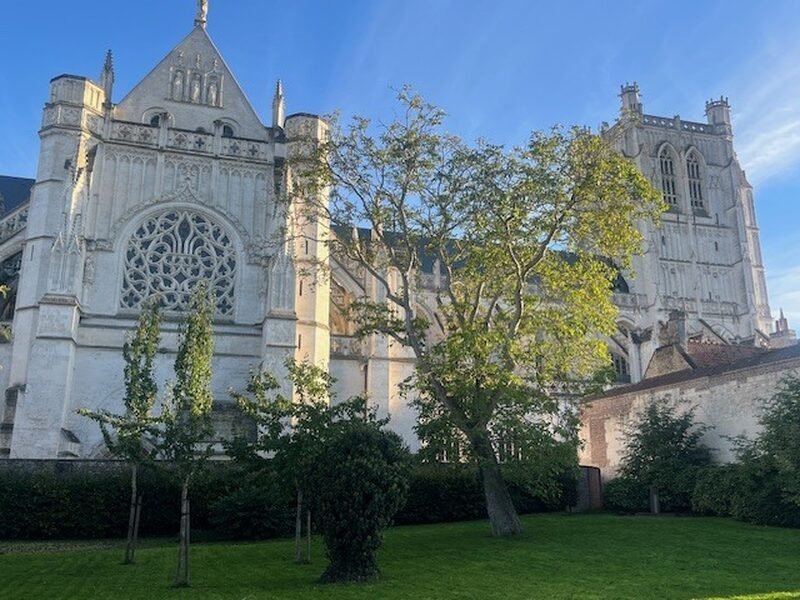
Flamboyant centrepiece of Saint-Omer is the erstwhile Cathedral, Notre Dame des Miracles. After a fire in 1200 its rebuilding took almost 300 years. The result the last masterpiece of the Northern Gothic style. Inside and out it is glorious. Seek out the sandstone sarcophagus of Saint Erkembode. This eighth century Irish monk lost the use of his legs and has become the patron saint of lame children. His tomb is constantly covered with kids’ shoes – as an offering in exchange for blessings.
Martyrs and a war hero – strong links with England
Notre Dame was a Roman Catholic bastion against the rise of Protestantism. Hence Saint Omer’s 17th century links to an England torn by religious schisms.
Calais is only 45km to the north and the town was home to the Jesuit College that prepared for the priesthood young English Catholics, barred from Oxford and Cambridge. They were smuggled back into England to preach the ‘true faith’ and, if caught, suffer gruesome martyrdom.
The connection possibly explains an amazing discovery a decade ago in a neglected corner of Saint-Omer’s library, once the college building. The rare Shakespeare First Folio unearthed is on display along with a Gutenberg Bible and other treasures.
During the Great War Britain’s Royal Flying Corps flew missions out of Saint-Omer aerodrome and in April 1918 the Royal Air Force was created there. Later during the Second World War the legendary pilot and double amputee Douglas Bader parachuted into a field south east of here after his Spitfire was shot down.
In the process he lost one of his tin prosthetic limbs. The Germans who captured him allowed a replacement leg to be delivered. He promptly escaped from Saint Omer Hospital via knotted sheets and was sheltered by a brave local family. After further escapades he ended the War in Colditz. He is honoured in the town with a Douglas Bader Trail and there is a memorial at the Longuenesse airfield with the RAF motto Per Ardua et Astra, Latin for ‘through hardship to the stars”.
La Coupole – V2 launchpad site that threatened ‘total war’
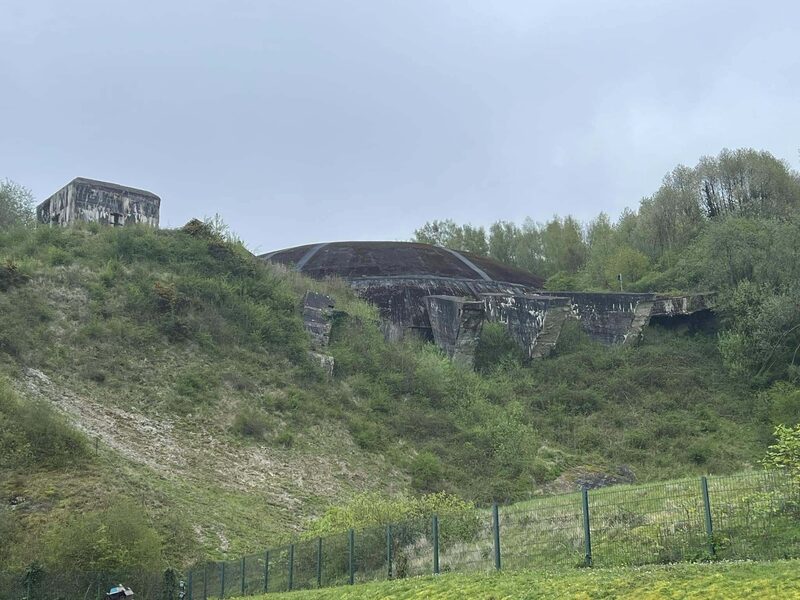
Five kilometres south of the airfield is another air warfare memorial, a reminder of how World War II could have gone so differently. In a Northern France scarred by Nazi occupation, La Coupole may be the most chilling remnant.
The name refers to the dome capping a chalk quarry. 55,000 tonnes of concrete created a five metre thick canopy over an underground complex able to store 500 V2 rockets, designed by Wernher von Braun. Each packed with a ton of explosives and able to cover 200 km in less than five minutes. So from this site London would be within reach. Obliterating the English capital would swing the War back Hitler’s way.
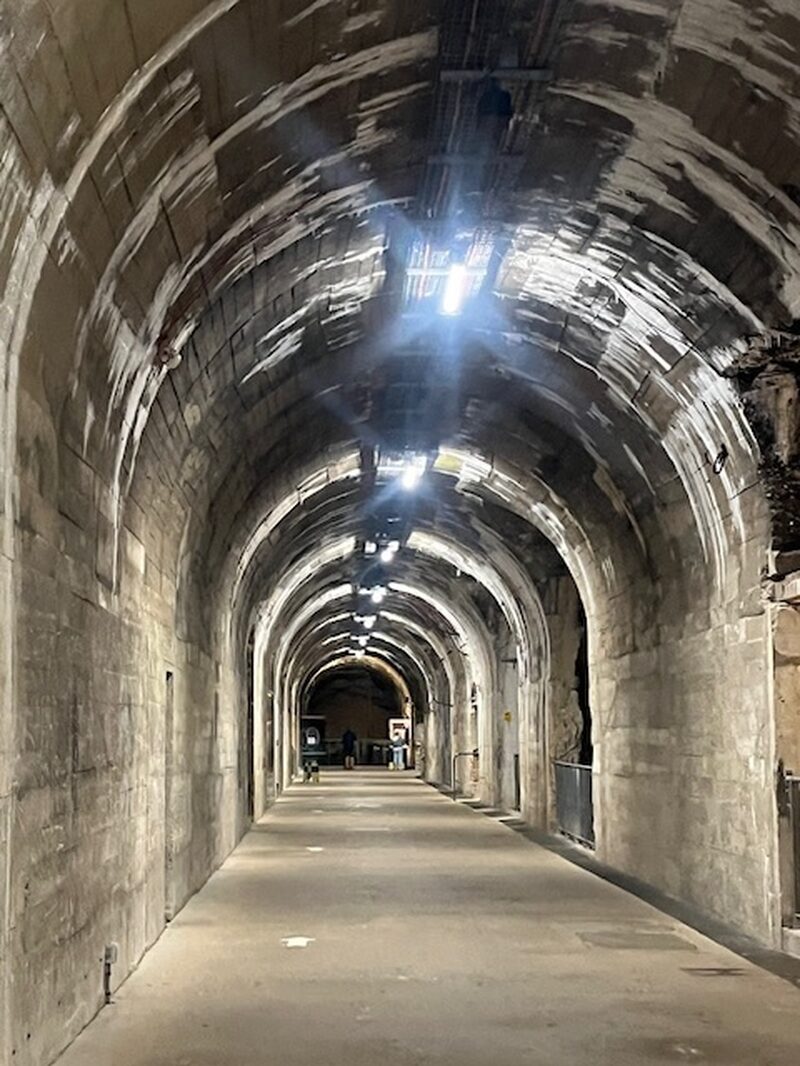
From October 1943 to September 1944, 1,300 workers, many of them slave labour, toiled day and night to build La Coupole. But time ran out, Allied bombers targeted it and this last throw of the dice was never completed.
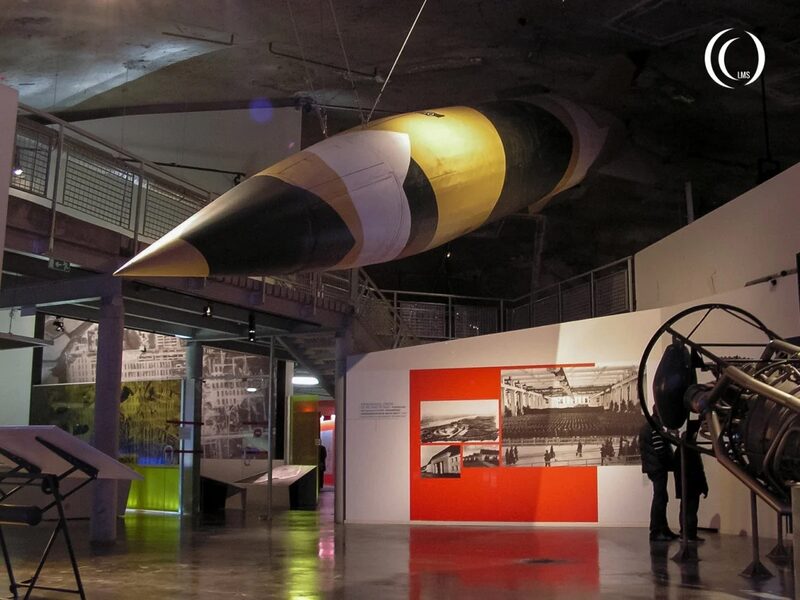
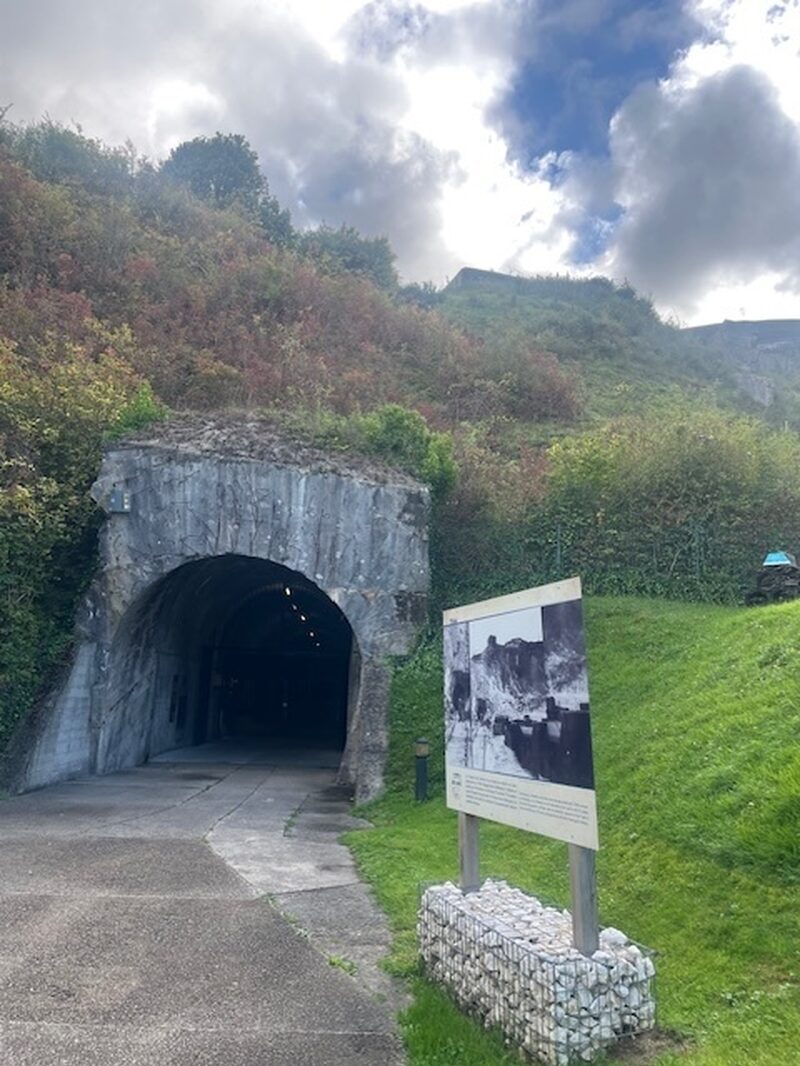
It has been preserved as a museum, entered by the dark, damp railway tunnel through which trains would have brought the rockets. The scale takes your breath away, but the site is far more than a giant bunker. Take the lift up to the Great Hall and you’ll be faced with a fearsome looking V2 and much else documenting what took place here and across the Pas de Calais.
Between 2003 and 2006, the museum carried out a survey to determine the number and identity of men, women and children (in the case of Jews and Gypsies) who were victims of the Occupation between 1940 and 1945. A genocide and deportation memorial wall features 8,000 names. It is desperately moving.
Pragmatism ruled after the War. V2 inventor Wernher van Braun, who never visited the site, went on to a new life in America, where his rocket-building skills were crucial in the conquest of Space. You too can visit the stars at La Coupole’s in-house Planetarium thanks to a 360° projection room equipped with revolutionary 3D technology.
Arras, the great survivor, from down below and above
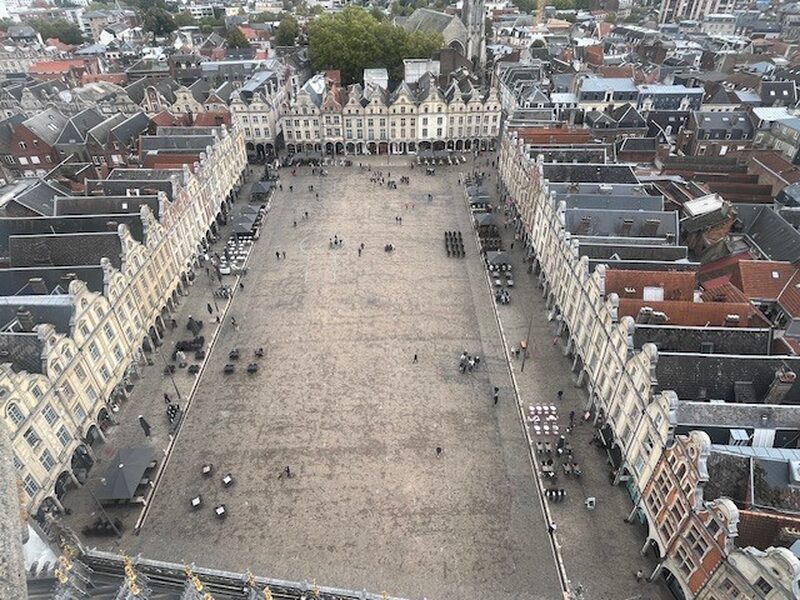
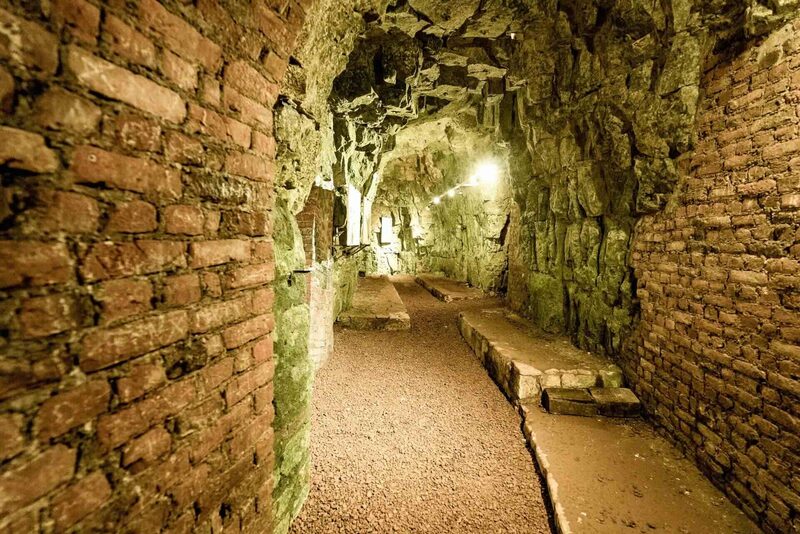
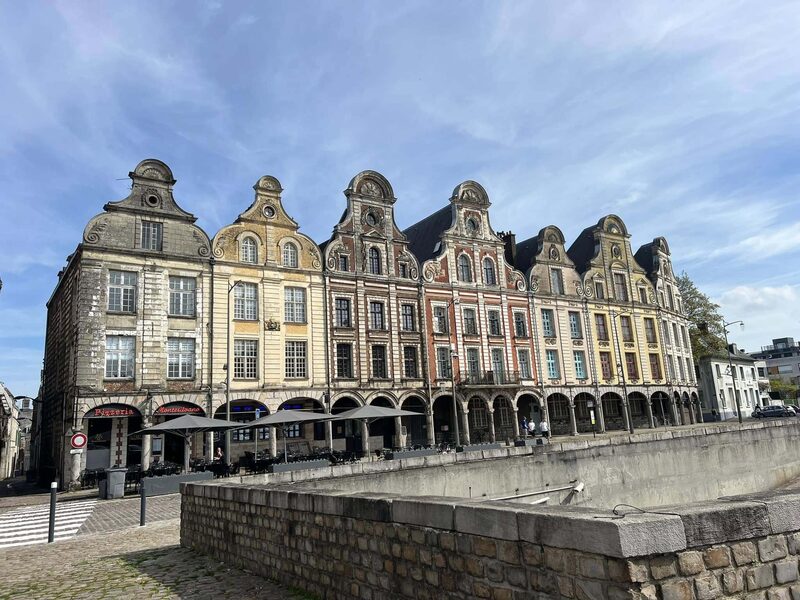
Underground again… in Arras, which is 80km south east of Saint-Omer. It was on the frontline throughout World War One. The medieval core was devastated by German bombardment and had to be painstakingly rebuilt in its traditional Flemish-Baroque style. An amazing job was done restoring the iconic Belfry, dating back to 1554, and the Grand’Place and Place des Héros with their gables and arcaded facades. Beneath all the rubble, 12 metres down, a labyrinth of tunnels survived. It’s worth taking a subterranean guided tour. I went on the 45 minute one exploring ‘Les Boves’, a series of caves and store rooms created by chalk quarrying from the ninth century onwards.
They were all connected in 1917 ahead of the first attack launching the bloody Battle of Arras. 24,000 Commonwealth soldiers sheltered here in the 20km of galleries created. During the Second World War, local folk took shelter during bombing raids. All this is chronicled in a series of on-site pictures.
Combine the tunnels with an ascent to the top of The Belfy, on the UNESCO World Heritage list for two decades. It’s a 75 metre climb, but a lift takes some of the strain and the panorama is an Arras essential.
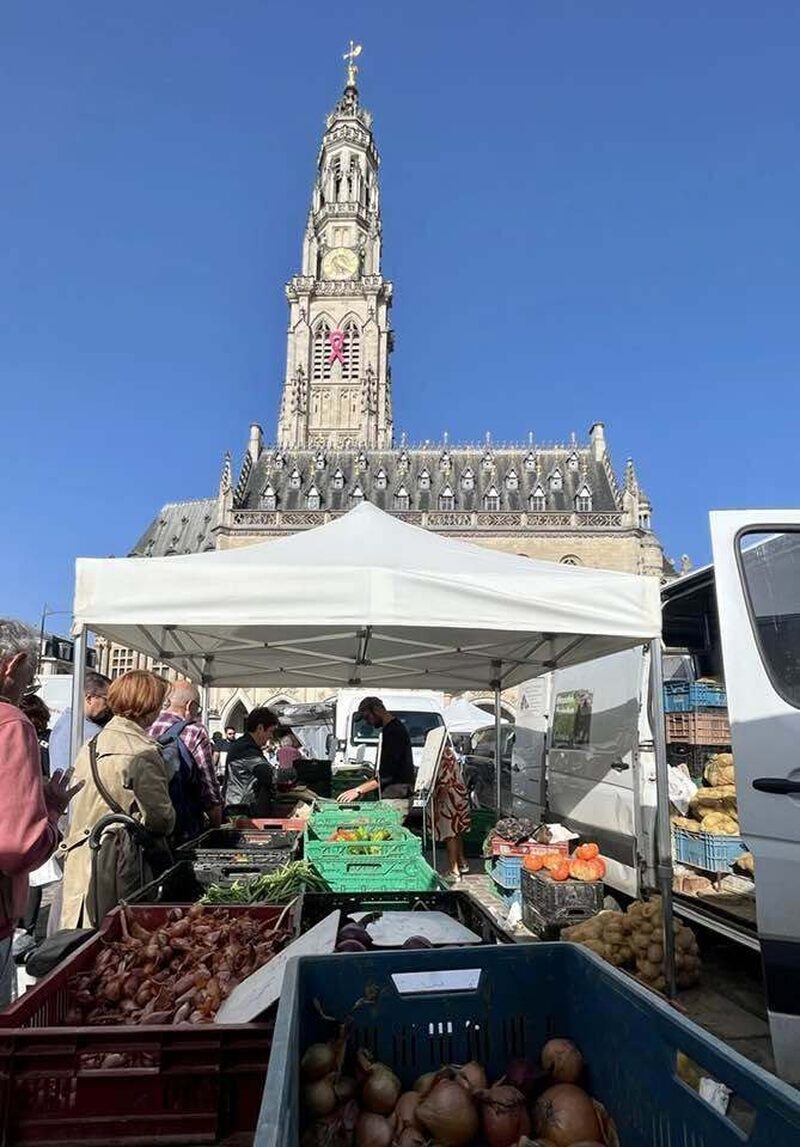
Immediately below is the Place des Héros, smaller than the adjacent Grand’Place and epicentre of the terrific Saturday market. In 2023 it was voted France’s thrid favourite market. I loved browsing the food stalls. There was even one devoted to the caulis and salads of Clairmarais. Then it was my Maroilles moment.
Pungent cheese and a touch of iodine on the plate
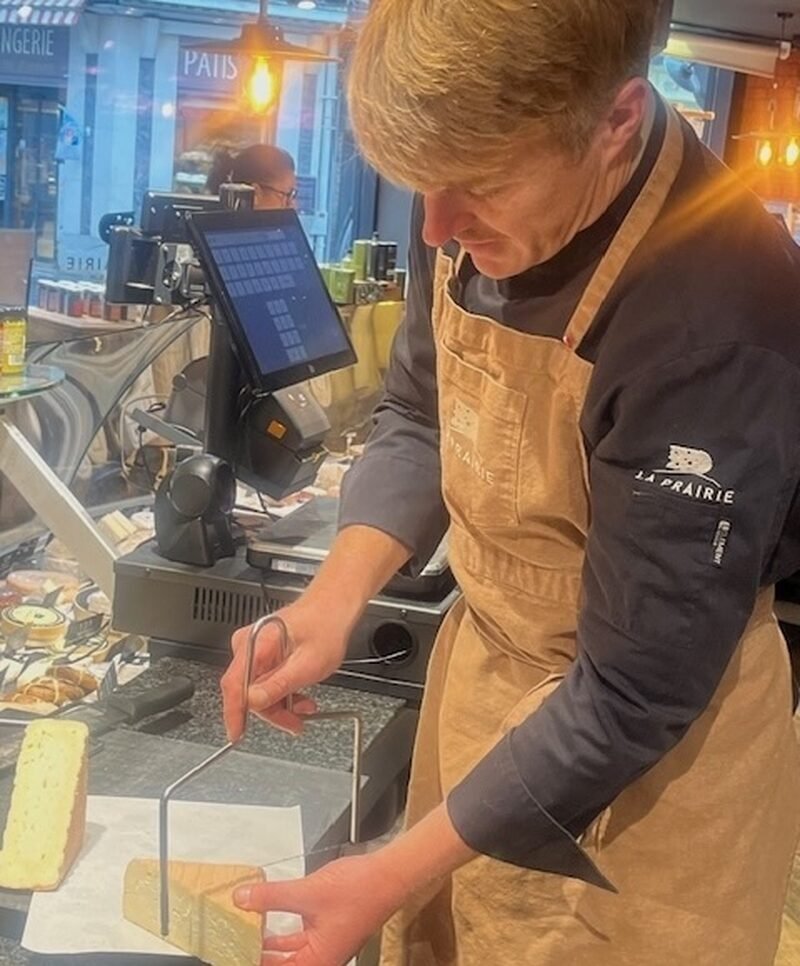
In the corner of the square you’ll find La Prairie, home to a range of gourmet goods, but more importantly 200 of France’s finest cheeses. It specialises in Haut de France’s small traditional producers. Owner Raphael Dervaux took me down to their cellar to introduce me to their pride and joy, a Maroilles made on one of only a dozen farms around the village of Thiérache producing it from the unpasteurised milk of Maroillaise cattle.
Warning, this is one stinky fromage, best not taken on rail journeys with you (I did). What surprises is – you cut through the washed rind and the cheese itself is mellow in flavour.
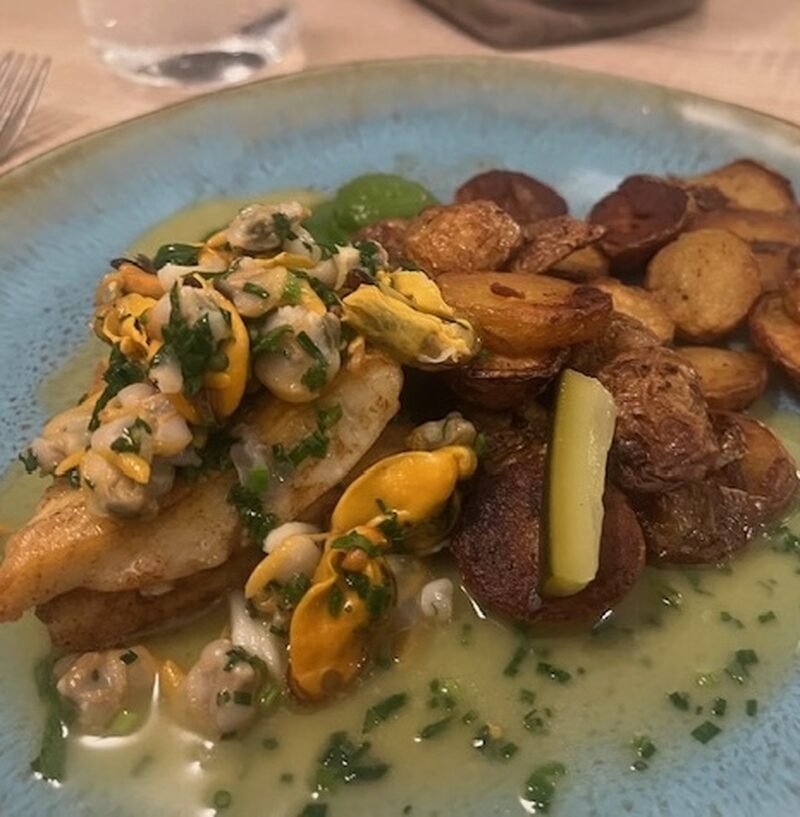
So many nods to culinary tradition in this region. No problem with that. Arras offers a striking alternative, the seasonal, bistronomic offering of much-travelled chef Alexandre Nowak. Iodaline on the Rue des Capucins is ‘based around the wonders of seas and rivers’. The promised “ little touch of iodine on the plate is a mite off-putting, dispelled by the stunning plate of turbot with clams and mussels that arrived. For a beer in town head for La Capsule with 30 tipples on tap (there’s a branch in LIlle, too).
How Art, Football and Slag Heaps coalesce in 21st century Lens
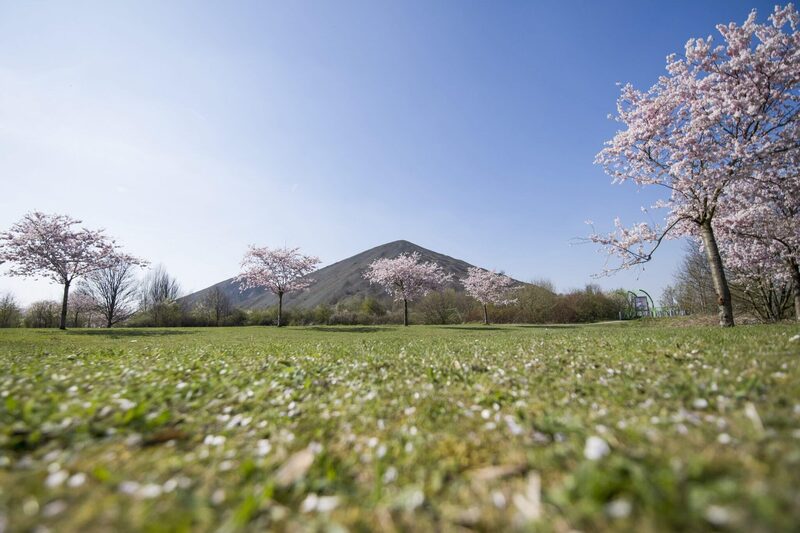
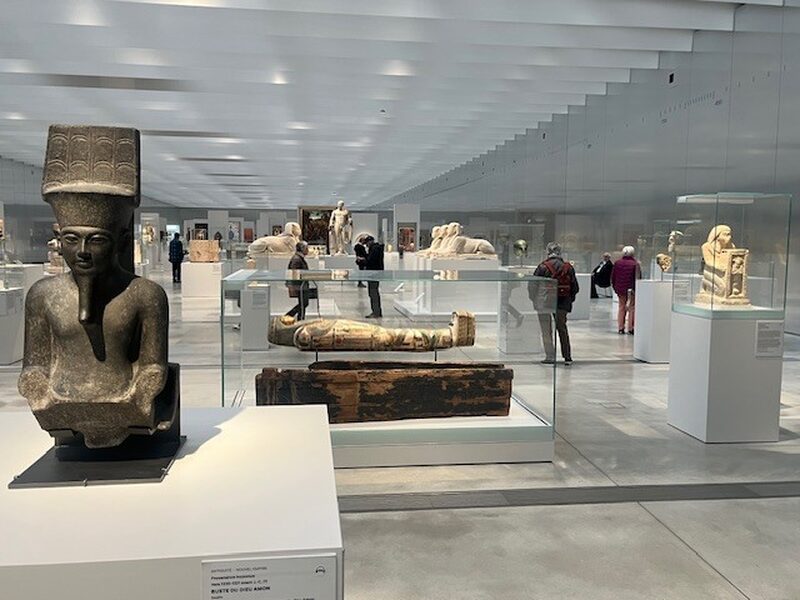
You can’t miss the twin peaks of Loos-en-Gohelle on the horizon as you enter the former mining area around Lens. At over 600ft high they are Europe’s highest slag heaps, known locally as terrils. An ever-present reminder of the coal industry that died in the Eighties. Many others have been levelled; those that remain are a source of pride. In Lens city they form a heritage triangle with the football ground of RC Lens (currently second in Ligue 1 behind Paris St Germain) and a newer source of pride – the Louvre-Lens Museum, a 15 minute walk from their Stade Bollaert-Delelis. This glass and steel gallery opened in 2012 on the wasteland site of a former mine. The landscaped gardens are appropriately pocked with shale and there’s a capped pit shaft.
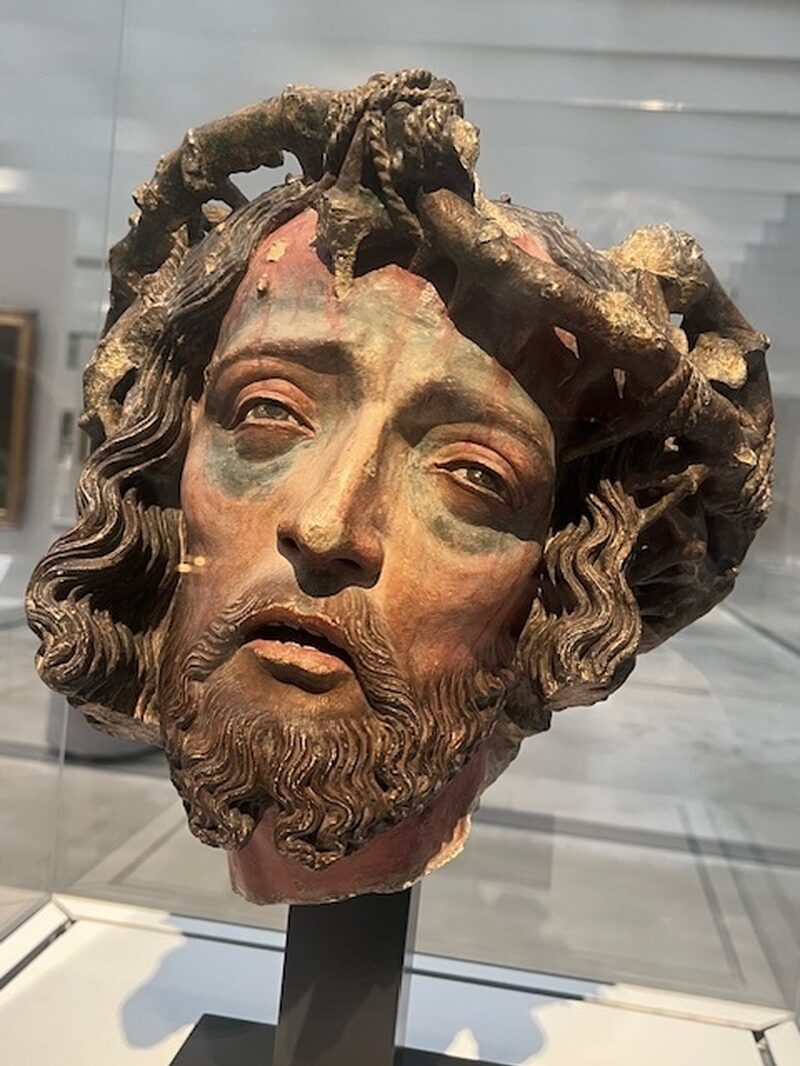
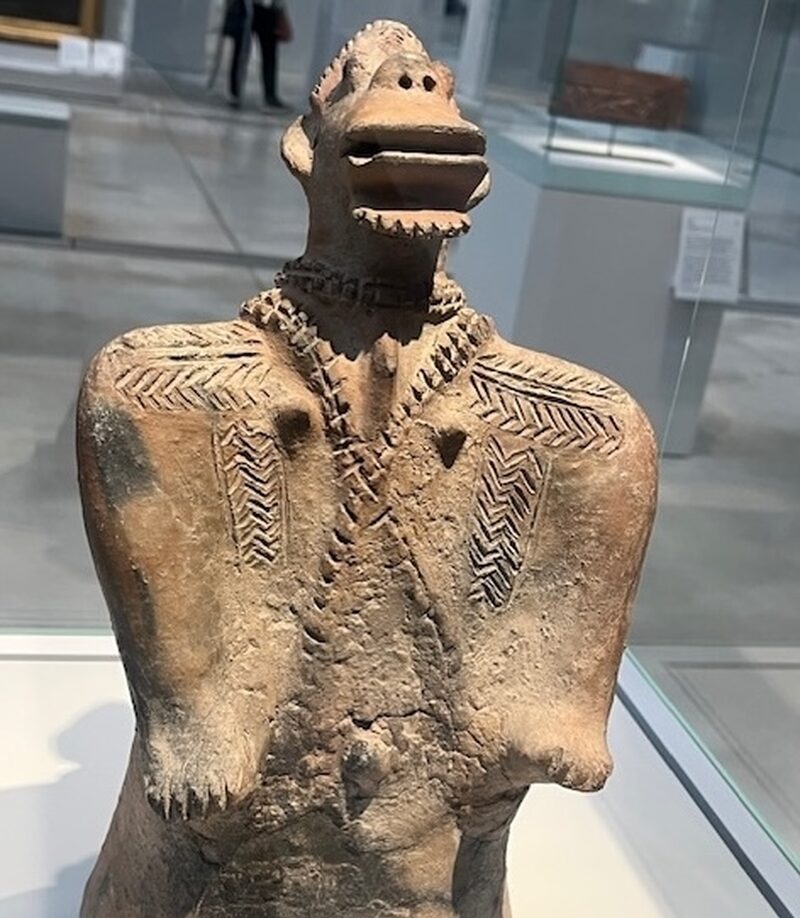
It offers a completely different viewing experience to the Paris mothership.
The free-to enter Gallery of Time occupies an open-plan space covering some 3,000 square metres. Displayed in ranks according to the century of creation, more than 250 masterpieces from the Musée du Louvre are showcased. The regularly refreshed display, spanning cultures, has been further enriched by loans from other major national collections. Hugely thought-provoking.
The temptation was to lunch at the adjacent 4 star Louvre Lens boutique hotel, created from a row of miners’ dwellings. Its restaurant, Le Gailbot, is named after the child miners as young as eight who worked underground in the 19th century. Just me maybe, but seems bad taste?
For a true gastronomic connection with the area’s past I needed to sample the fare at an authentic estaminet.
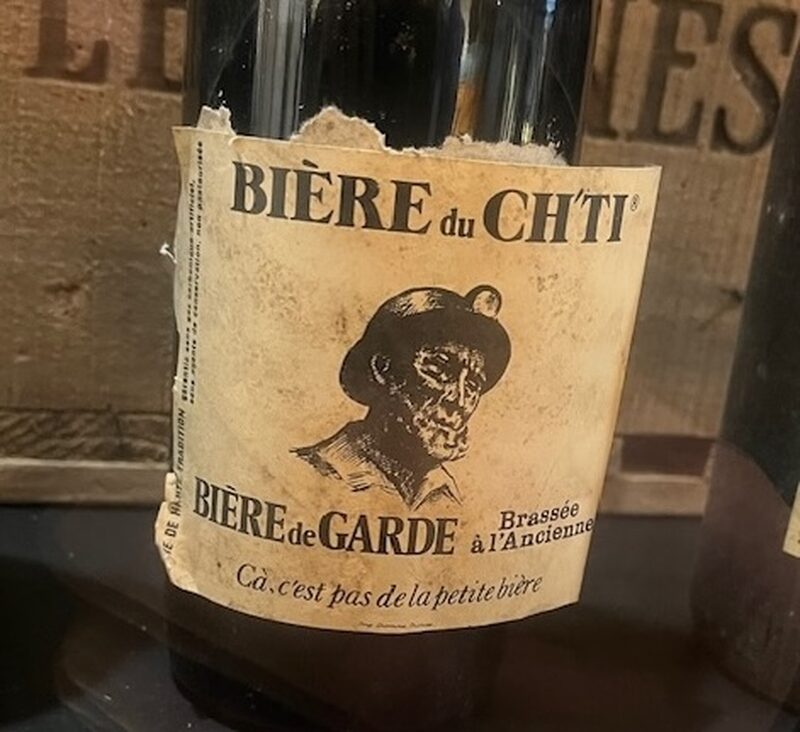
My Potjevleesch initiation and sampling la bière de garde
The hamlet of Bénifontaine, a short drive south of Lens, offers a double introduction to the typical beer and dishes of the Pas de Calais department.
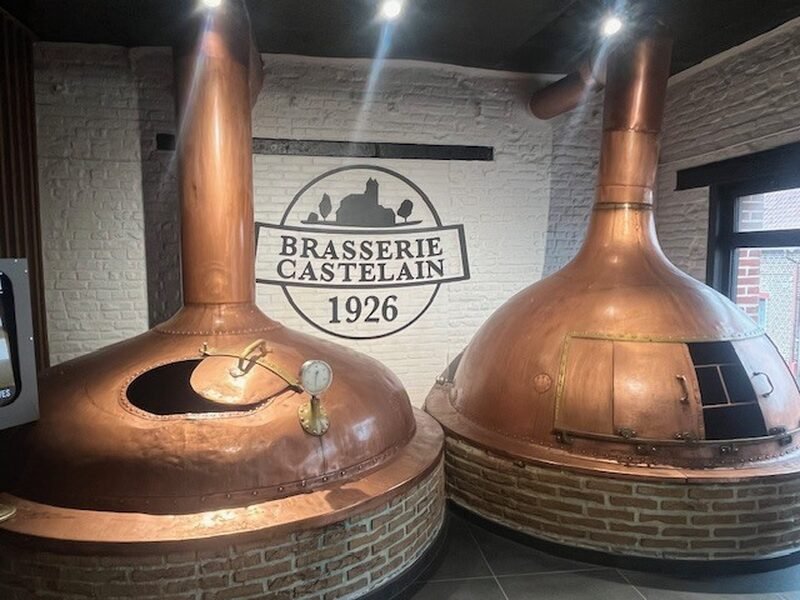
Learn about the bière de garde brewing process at the visitor centre of the family-run Brasserie Castelain. Their flagship beers, blonde, brune and tripel, go under the Ch’ti label. Ch’ti is a local dialect. ‘Ch’es ti’ means ‘it’s you’. The malt-forward beers get extra ageing before release. They accompany local specialities brilliantly as I discovered at the nearby La Cervoise Tiede, which styles itself as an estaminet.
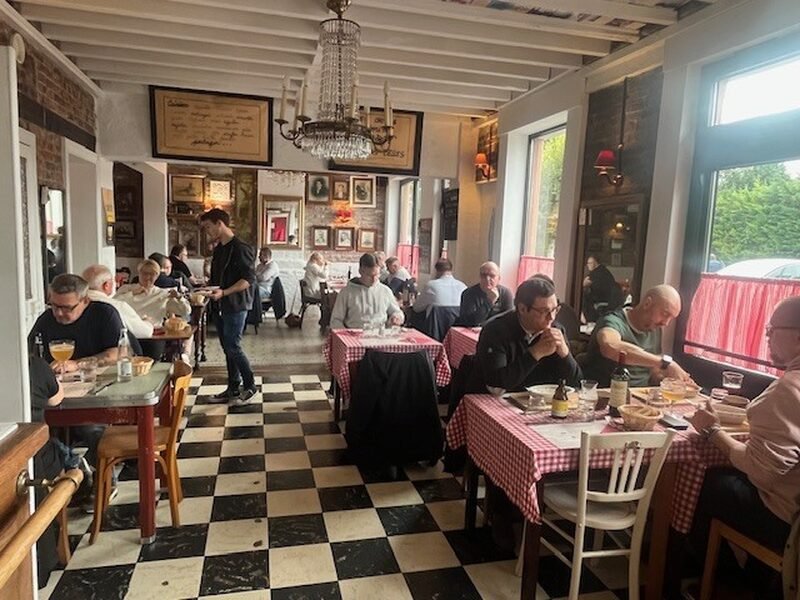
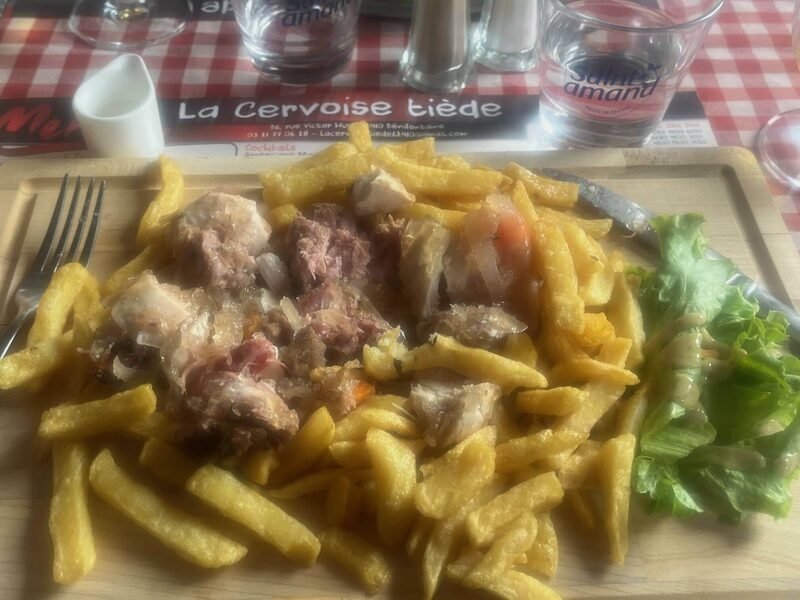
After a hard day at the coalface a miner would head for his local estaminet to booze around a shared table and play games. I would have loved to have indulged in La Grenouille, where you won top marks by tossing a puck into the mouth of a cast iron frog. But one wasn’t in evidence at the rather smart Cervoise, which is the kind of casual cage an estaminet involved into. From a menu stuffed with local specialities I had to go for a Potjevleesch. I pointed it out rather than tried to pronounce it. From the first mouthful I was hooked. The precis – cold assorted meats in jelly – doesn’t do it justice. Chunks of pork, chicken and veal (rabbit is less common than of yore) in an intense aspic are poured from a glass pot onto a plate of hot frites, the jelly melting to create a sauce. This was simple food mining a rich seam of yumminess. It boded well for the rest of my Northern French road trip.
Fact file
Neil Sowerby travelled to Northern France on the Eurostar service form London St Pancras International to Lille Europe. Thereafter using regional train connections from the nearby Lille Flandres station.
In Saint Omer he stayed at the Hotel Ibis Saint-Omer Centre, 4 Rue Henri Dupuis, 62500 Saint-Omer.
In Arras he stayed in the Hotel Mercure Arras Centre Gare, 58 Boulevard Carnot a Arras.
For full tourism information on Pas de Calais visit this link. For Saint-Omer specifically go here, for Lens here and for Arras, Pays d’Artois here. And a guide to the Great War Remembrance Trails around Arras.
Get the latest news to your inbox
Get the latest food & drink news and exclusive offers by email by signing up to our mailing list. This is one of the ways that Confidentials remains free to our readers and by signing up you help support our high quality, impartial and knowledgable writers. Thank you!

Join our WhatsApp group
You can also get regular updates on news, exclusives and offers by joining the Manchester Confidential WhatsApp group.