









Neil Sowerby has to hand it to a port that goes with the flow so cannily
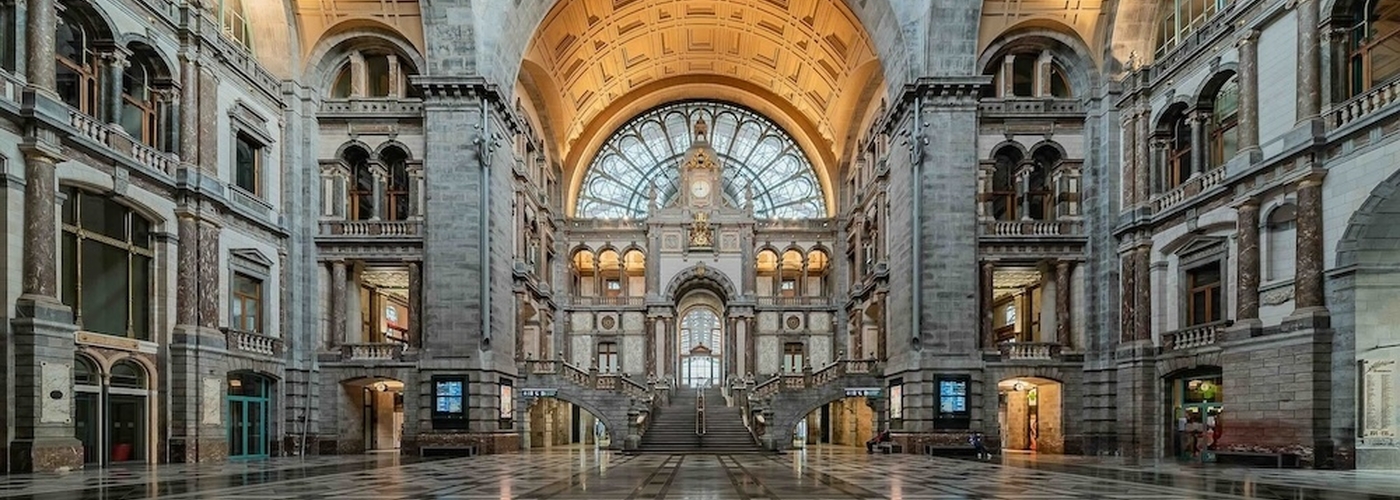
CAN there be a grander portal into any city than Antwerp’s Centraal Station? After the travails of a delayed early morning flight into Brussels to emerge from our connecting train into the ornate, marbled entrance hall with its soaring dome sets the tone for a visit full of wonders.
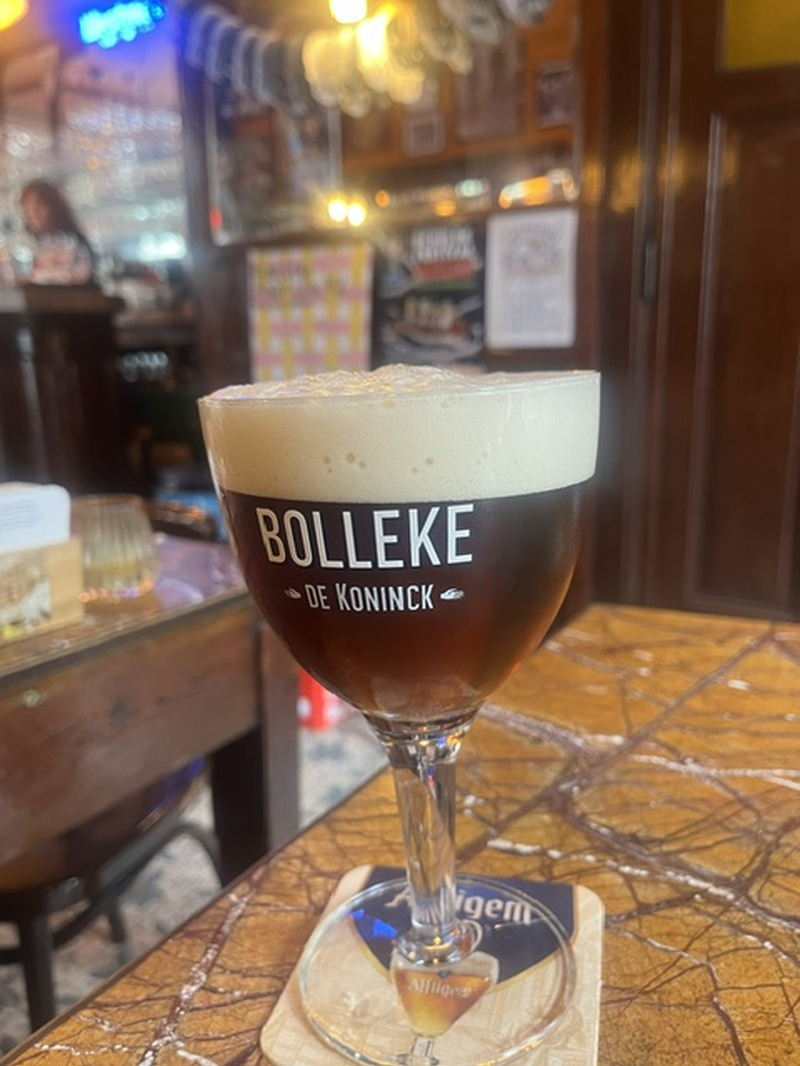
A bolleke is not as painful as it sounds; it’s the brewery’s trademark bowl-shaped glass
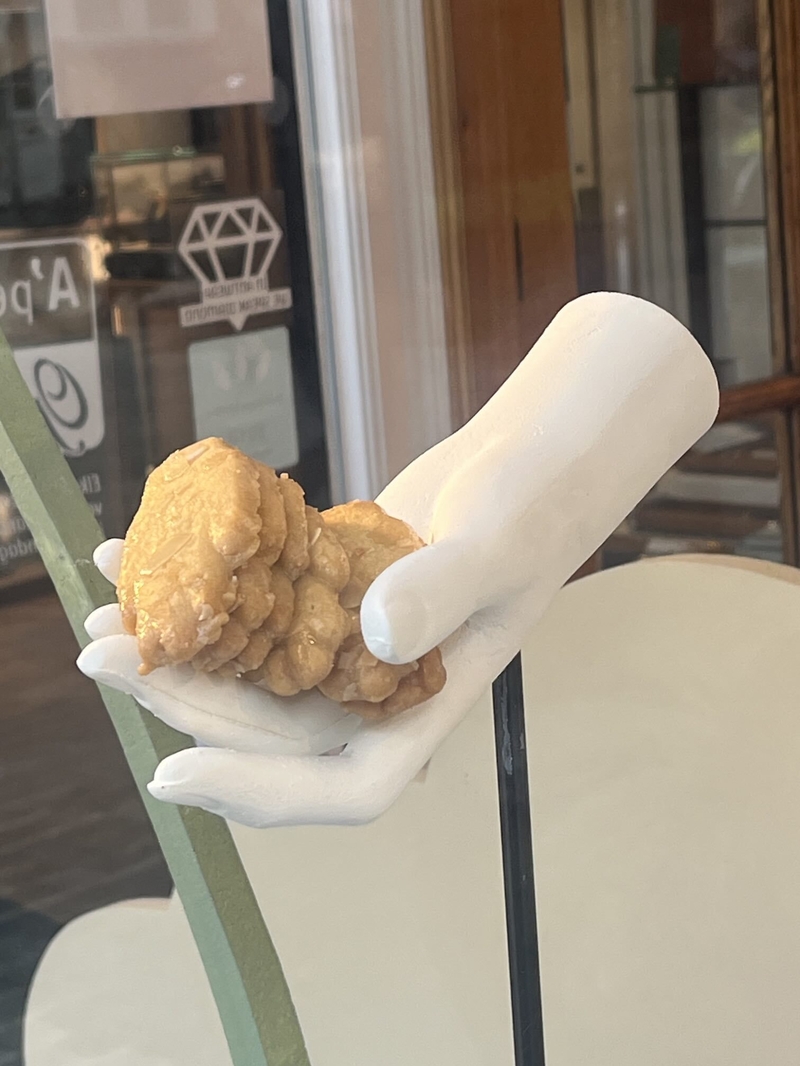
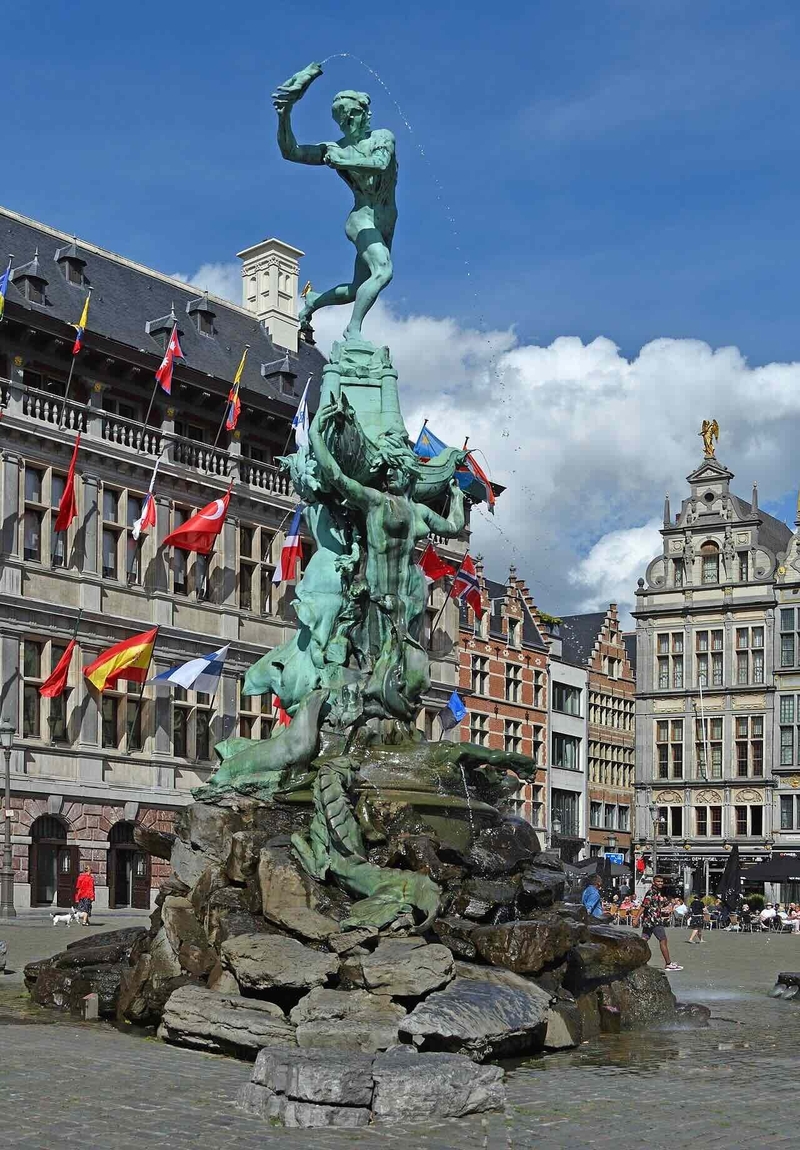
Smallest wonders include a penchant for celebrating a turbulent history with confectioneries. Hence our impromptu breakfast paired coffee with a bag of hand-shaped cookies, culinary symbol of the city. The Dutch words hand and werp (throwing) combine into Antwerp, and the ‘Little Hands’ we are munching reference the founding myth of the city. In the main square, the Grote Markt, a bronze statue on a fountain shows the Roman Brabo, having cut off the hand of cruel giant Antigoon, tossing it into the Scheldt to save the city.
On the banks of that same river you’ll find a medieval fortress called Het Steen. Back in the 15th century prisoners chained up there were fed plain rye bread by a charitable merchant. Today’s ‘Bread of the Damned’ (Roggeverdommeke), on sale across the city, is an upmarket version, studded with raisins. Wash it down with a bolleke of De Koninck, the amber ale synonymous with Antwerp. A bolleke is not as painful as it sounds; it’s the brewery’s trademark bowl-shaped glass.
Pairing tip for ‘Little Hands’ maybe is a liquid homage to earlier days when Antwerp was alternatively known as Anvers. Invented in 1883, the liqueur Elixir d’Anvers combines 32 herbs and spices. It’s yellow, very sweet and a deceptive 37 per cent alcohol. Marketed originally as a miracle remedy, nowadays it pops up in the cool kids’ cocktails.
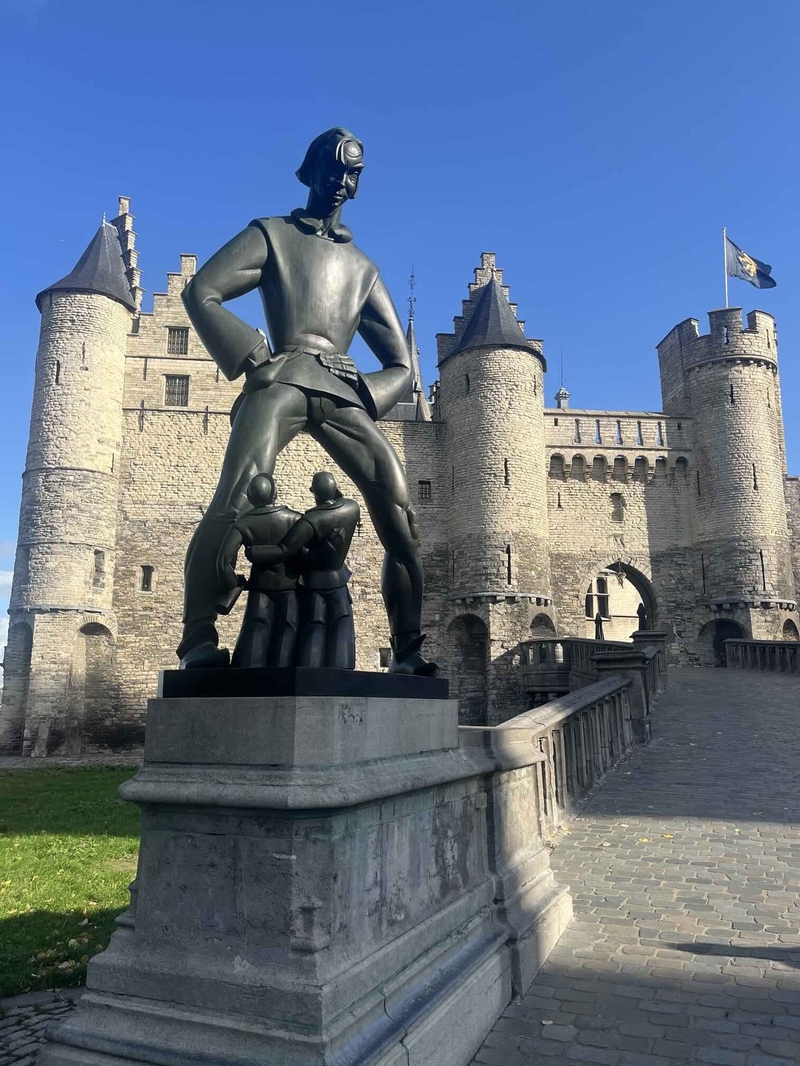
From the ramparts of Het Steen you get a great view up the tidal river to the derricks of Europe’s second largest seaport. Hard to credit that for two centuries a Spanish blockade decimated trade, bringing to an end the Protestant city’s prosperity in the 16th century Flemish Golden Age. In 1576, after a siege, it was sacked and half the remaining population fled north to relocate in Amsterdam.
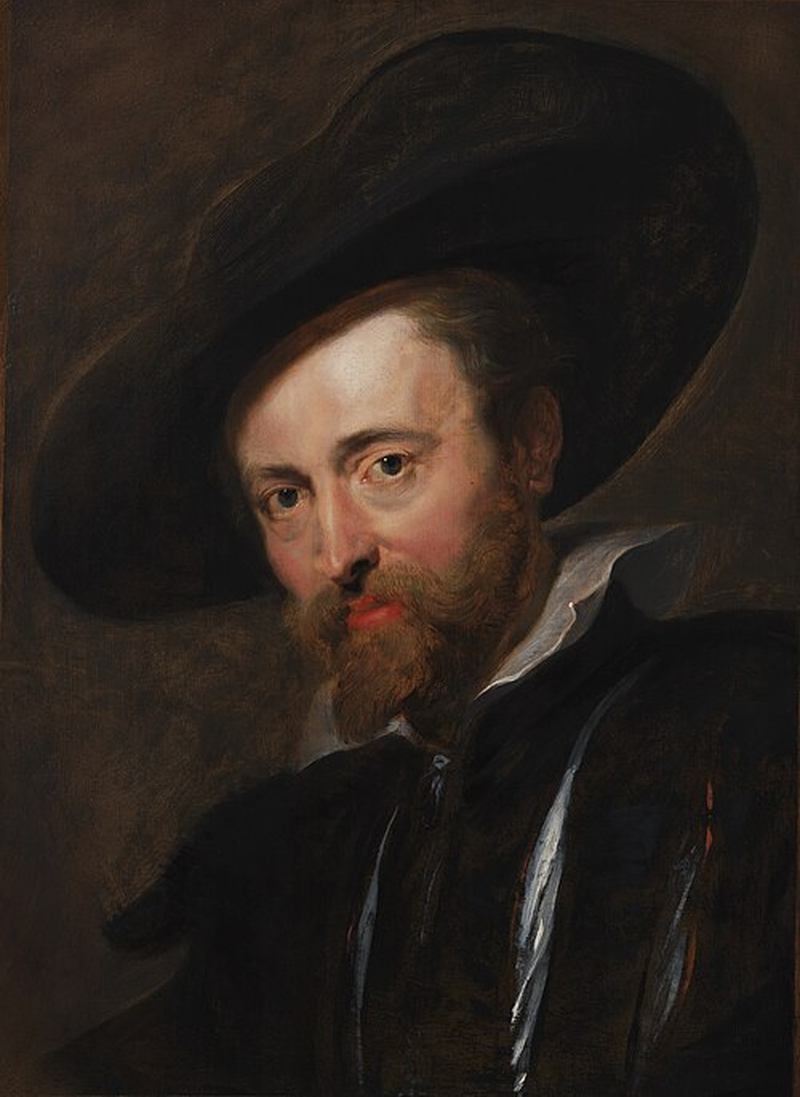
Yet Antwerp has never stood still. Only a year later, the great Peter Paul Rubens was born and his paintings dominate the cultural landscape to this day.
Rubens remains the city’s favourite son
After organising ourAntwerp City Pass at the visitor centre inside Het Steen (also home to the interactive ‘Antwerp Story’), to christen it we made a beeline for the Rubenshuis.
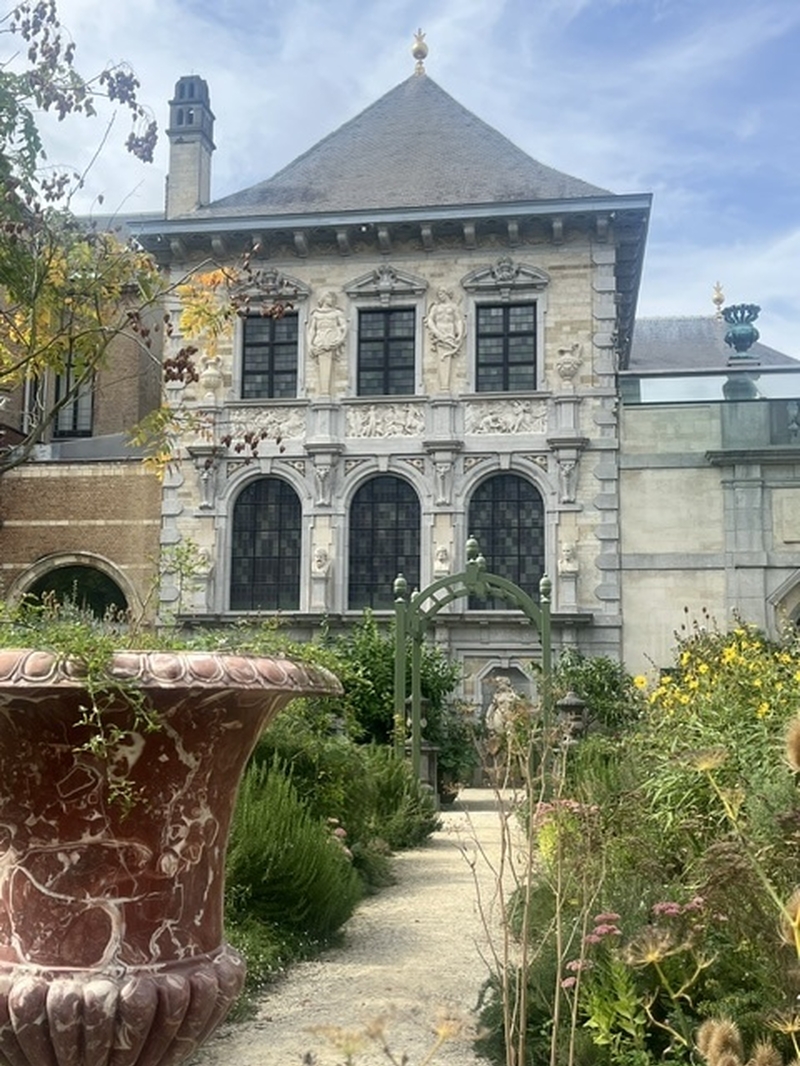
This was the artist/diplomat’s family home and studio for much of his life. He transformed it into his vision of a city palace in Italy, where he had trained. Alas, the residence itself is closed for major restoration and not expected to reopen until 2030. In the new reception building you can immerse yourself in the ‘Rubens Experience’, a digital introduction to his life and work, and then meditate in the magical Baroque garden, which features 22,000 plants. The curators have consulted with Antwerp’s legendary fashion designer Dries van Noten to ensure colour across all the seasons.
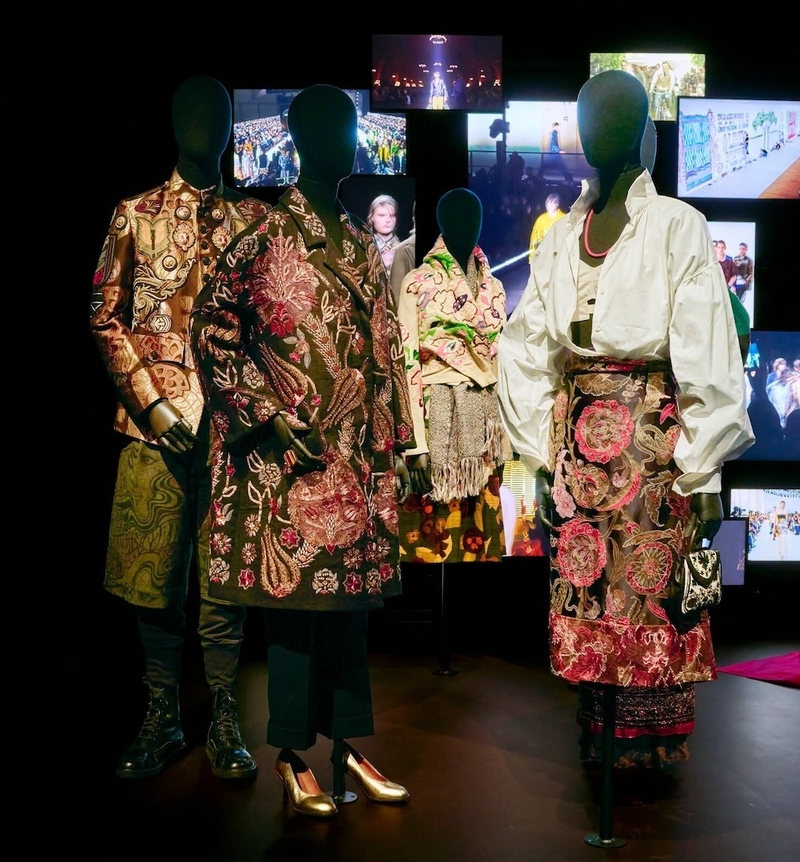
Van Noten was one of the Antwerp Six, designers who put Belgian fashion on the map. 2026 marks the 40th anniversary of their breakthrough. A commeorative exhibition runs until January 17 2027 at the fashion museum MoMu (use your Antwerp pass). It’s just a 10 minute walk from the Rubenshuis in the Modenatie (Fashion Quarter) clustered around Nationalestraat.
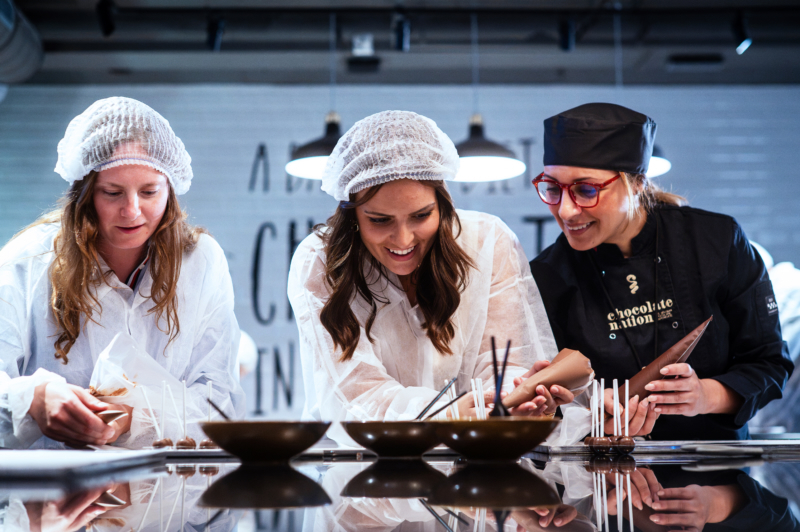
A further blingy note: Antwerp has also been world diamond capital for centuries and currently handles 84 per cent of all rough diamonds and 50 per cent polished on the planet. The district is close to the Central Station. A sweeter spot might be Chocolate Nation on the Astridplein. It’s the world’s largest Belgian chocolate museum, an immersive treat for the sweet-toothed.
More my thing are (spoiler alert) two museums also currently out of action. The first is the Museum Plantin-Moretus, on the Vrijdagtmarkt (which has hosted a legendary flea market since the 16th century). It charts 300 years of print history in a family home where nine generations lived and worked. The first atlas and many other rare tomes produced here will feature in the refreshed exhibition space when it reopens on December 4. Oh, and it has a wealth of Rubens masterpieces, too.
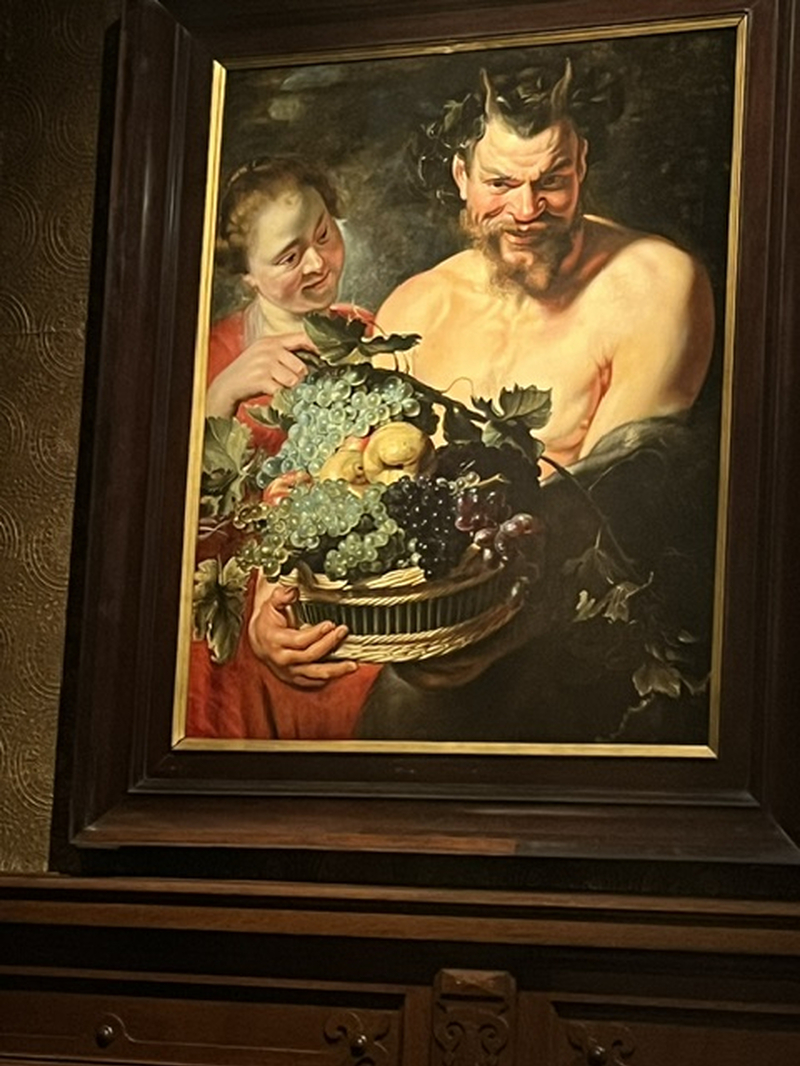
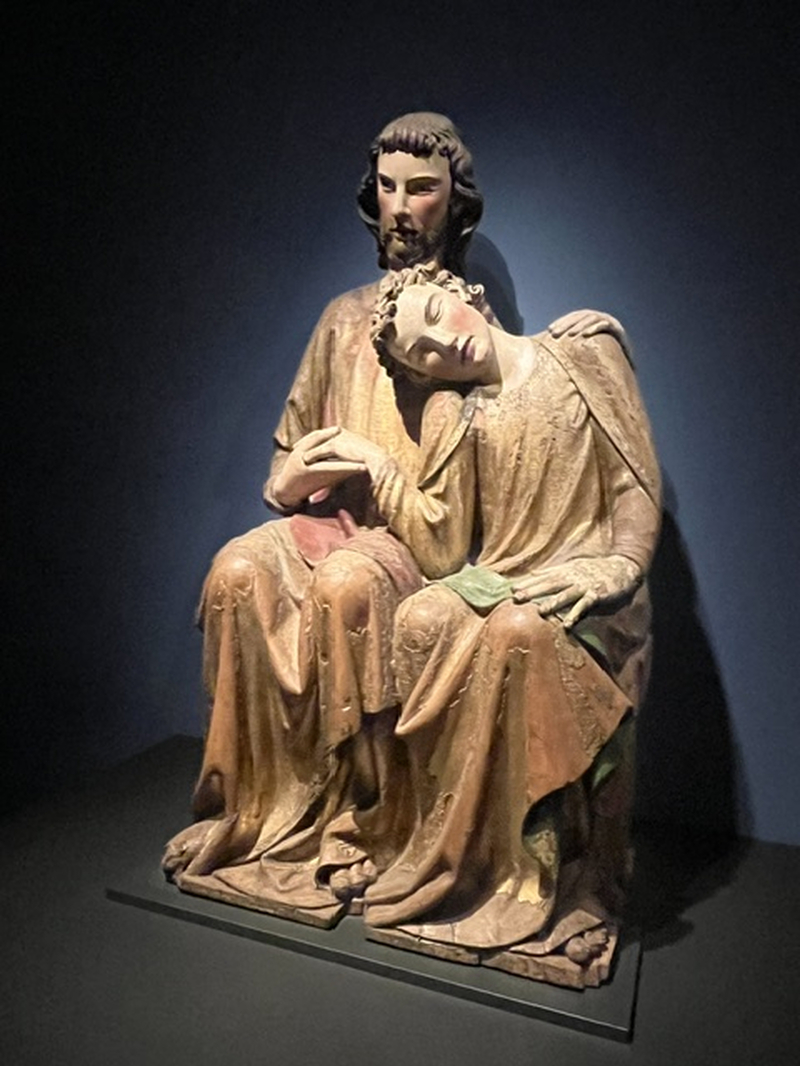
Up close to some glorious artworks
The second sleeping beauty is the Museum Mayer van den Bergh, also closed until 2030 for expansion. The boon in all this is a spin-off exhibition of 43 of its treasures in the almost adjacent Maagdenhuis (Maidens’ House). An orphanage from the 17th to the 19th centuries, today it’s an atmospheric art gallery/museum in front of of the green haven that is the Botanic Gardens.
Beloved – an Intimate Look at Masterpieces does exactly what it says, with each work chosen by a local museum enthusiast. Amazing in a homely setting to be up so close to works such as Bruegel’s ‘Mad Meg’ or the compassionate sculpture of John resting his head on Jesus’s chest that was commissioned by a Dominican convent in 1300. And, yes, there is a Rubens but it is not monumentally devotional or a celebration of Junoesque women. It’s the wine-flushed ‘Bacchante with a Satyr Holding A Bowl of Fruit’.
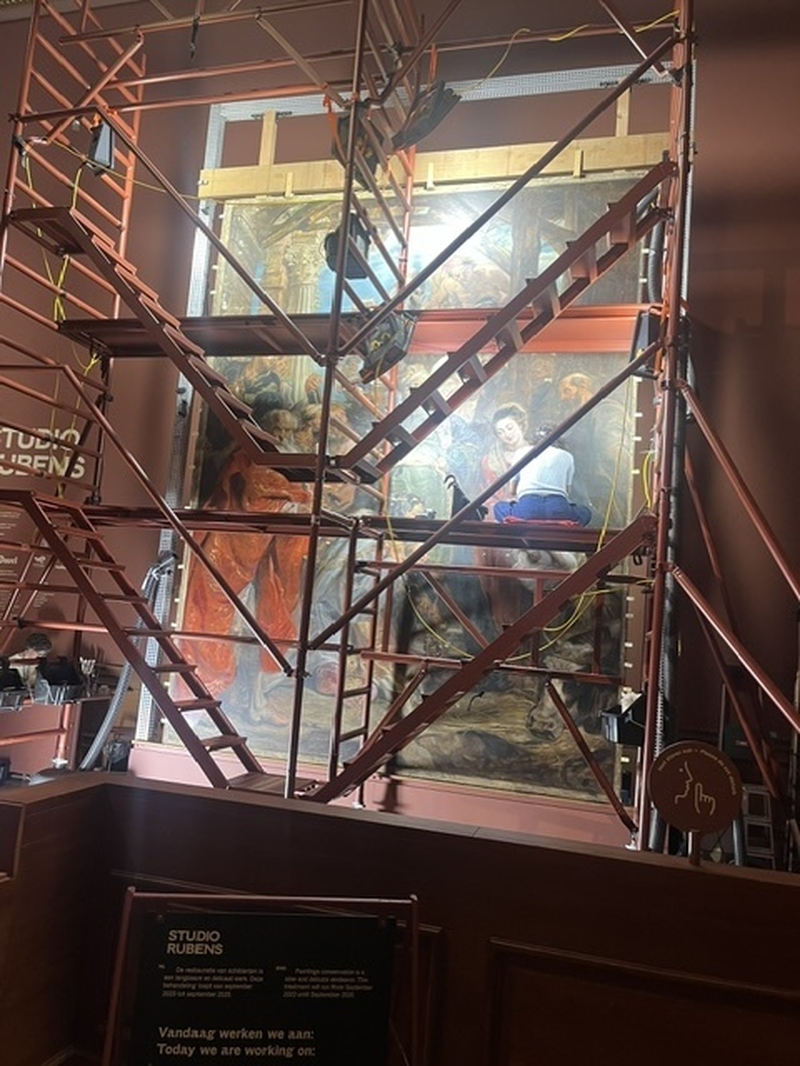
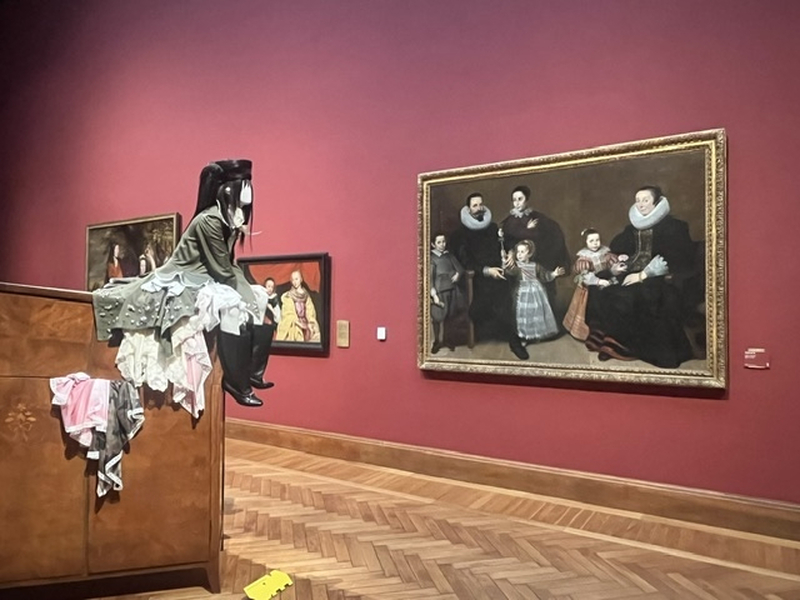
Rubens holds centre stage at KMSKA (Royal Museum of Fine Arts Antwerp). It’s fascinating to watch, among the scaffolding, specialists at work restoring his ‘Adoration of the Magi’ to its full glory. The canvas is so vast the restoration must be done in the gallery.
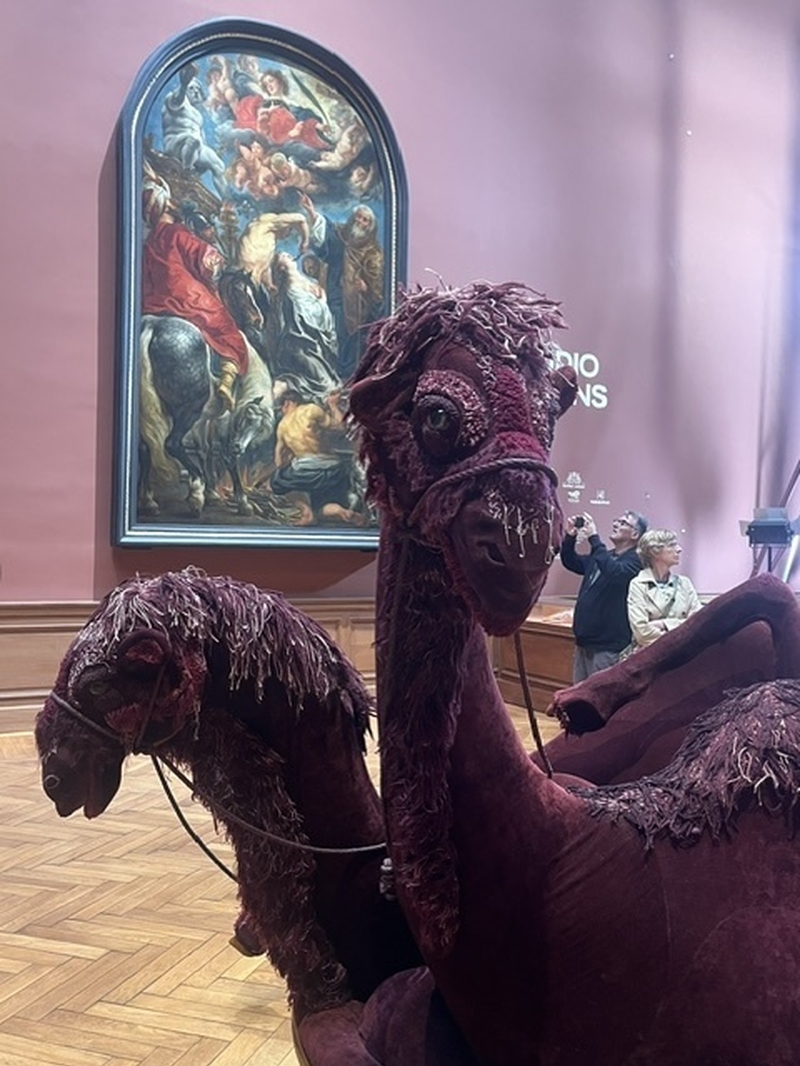
Step in further and you’ll currently discover works from across the centuries rubbing shoulders with contemporary ‘creations’. This show is called KMSKA x Young Fashion Designers and runs until November 8. Is it playful dialogue; is it subversion? It adds gaiety to a sombre backdrop. The monumental Museum’s top floor is given over to modernist art in a minimalist setting.
Antwerp’s Art Nouveau riches
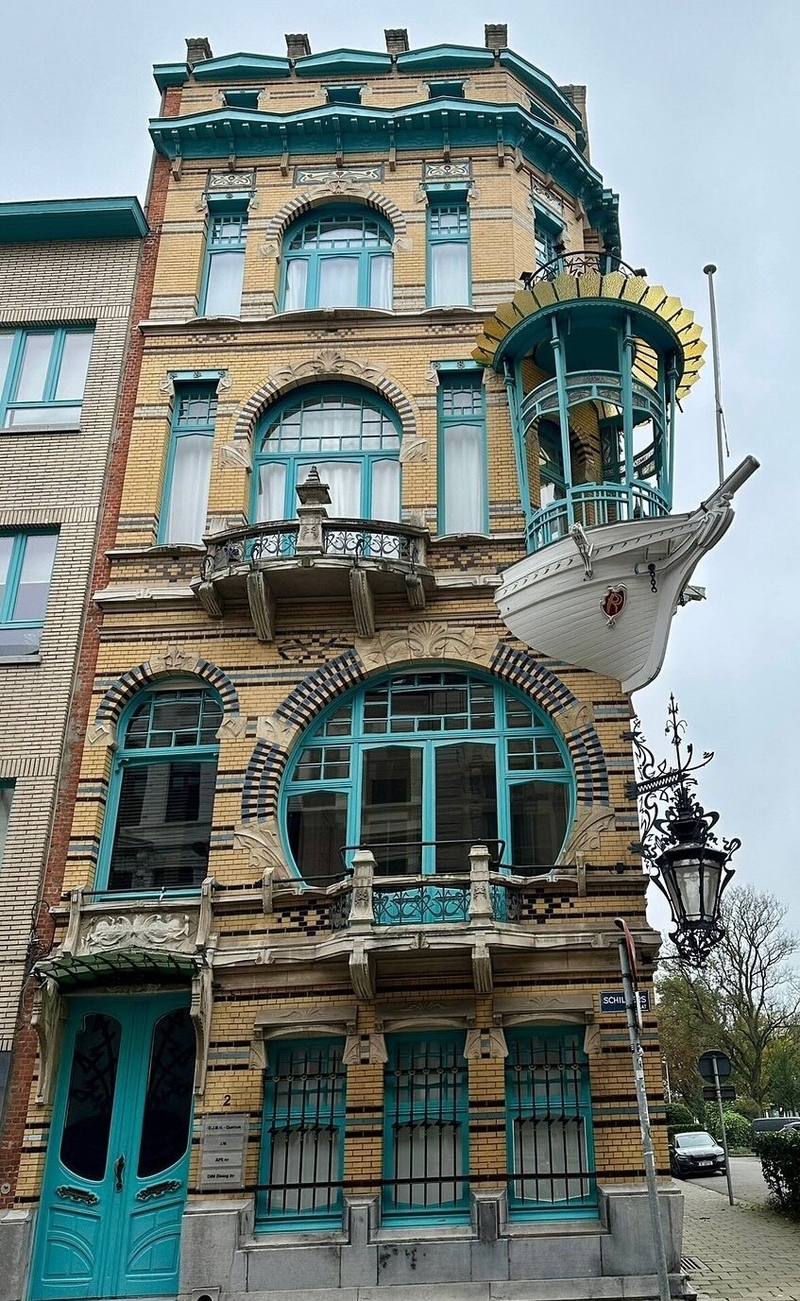
All this engenders a taste for the absurd, never far away in Belgium. Walk down Schildersstraat behind KMSKA and you’ll find the most extravagant Art Nouveau edifice in the country. The House of the Five Continents dates back to 1901 and is known locally as t’Bootje (the little boat) because of the prowed vessel protruding out of its facade. This was at the whim of its owner. The complex of four houses was designed for a prominent shipbuilder. Surreally the street in front was being dug up during our visit. There is a lot of mains replacement going on in Antwerp, we found.
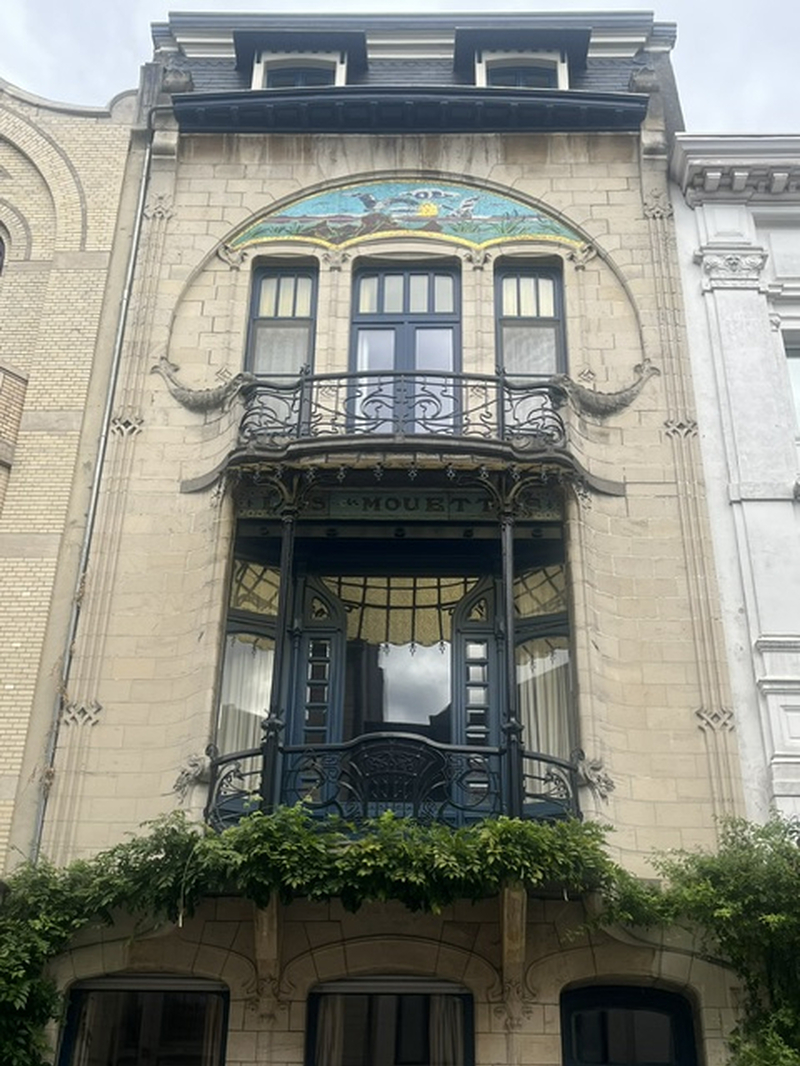
Roadworks were in full swing too in what is known as the Zurenborg, the Art Nouveau triangle around Cogels-Osylei and Waterloostraat 3km south of the city centre. Way over the top, the melange of motifs, the turrets, the glasswork? Most definitely, but exhilarating to ramble past.
Just a few minutes’ walk away is a celebration of contemporary counter culture that is more homespun. Sustainability is all at Pakt, based in old industrial warehouses close to the Green Quarter, itself a residential conversion of an old barracks complex. Both are a quiet haven in a city not short of traffic density. Grab a beer or a coffee and chill.
That would be an ecclesiastical matter
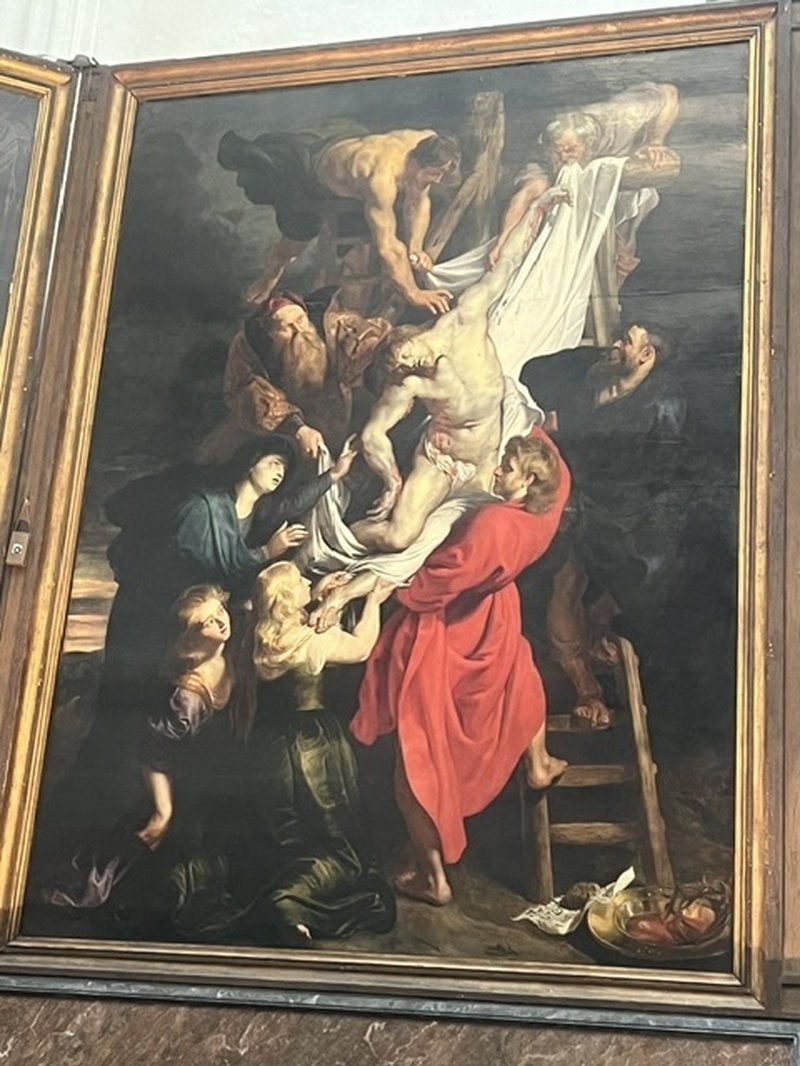
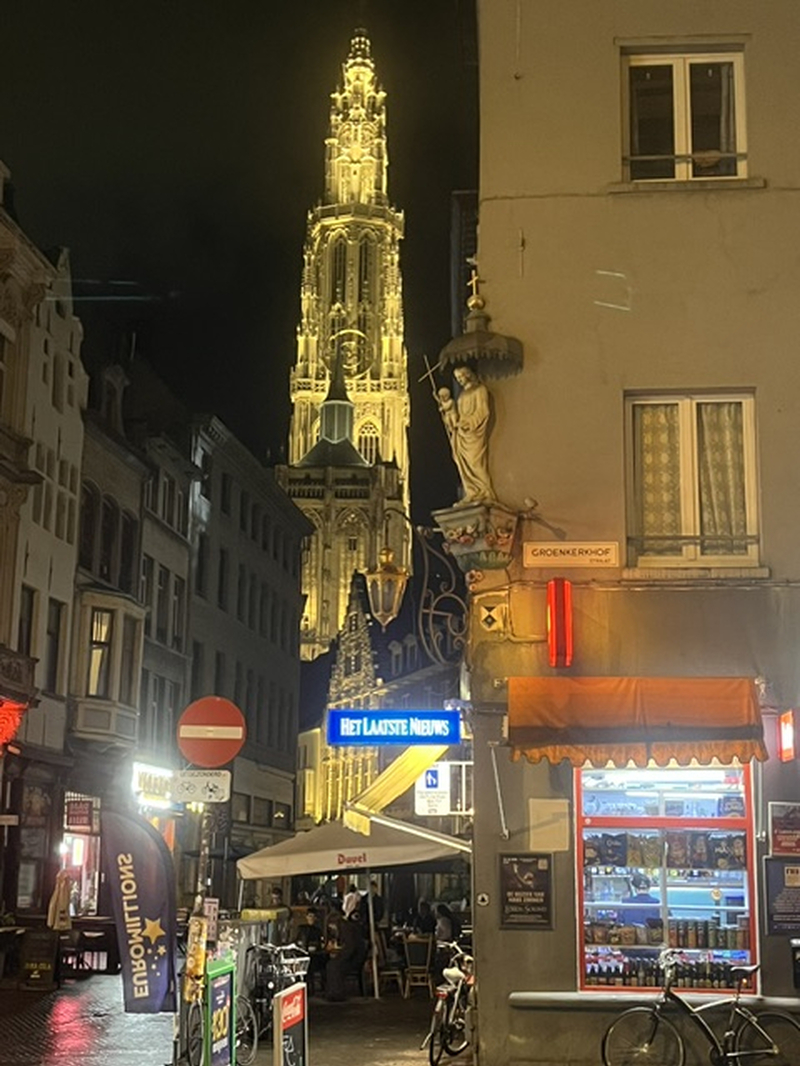
In a city of many fine churches I’d recommend two. There’s no escaping the Brabant Gothic Cathedral of Our Lady. Its 123m high tower soars above the city. Originally it was meant to have two of them. Down below it does boast four Rubens, including the sublime ‘The Descent from the Cross’. It’s the central part of a triptych that has been here since 1614. The whole interior is as epic as the exterior. So are the tour guide parties by mid-morning.
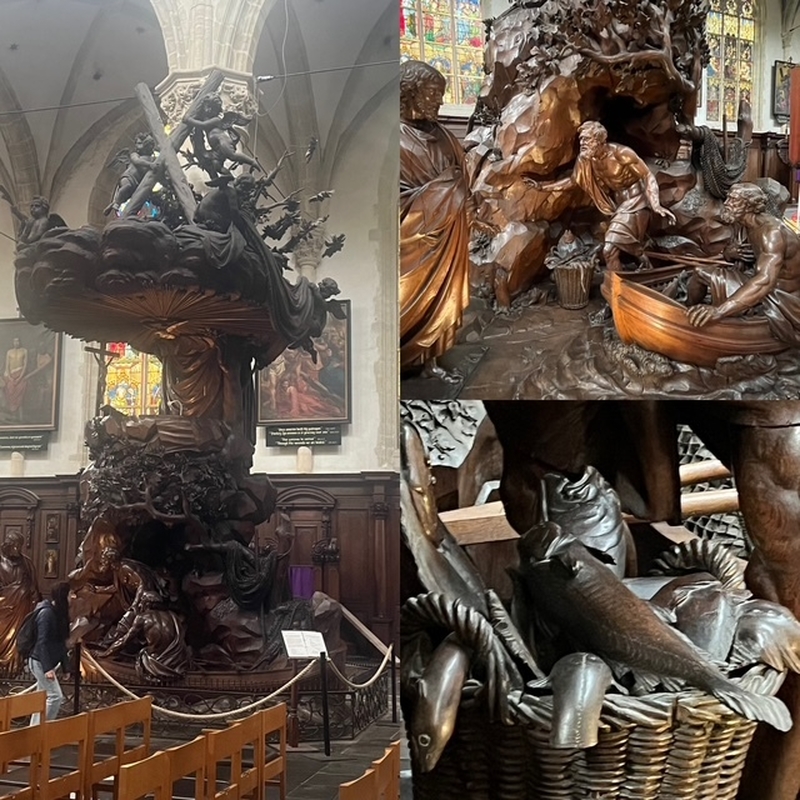
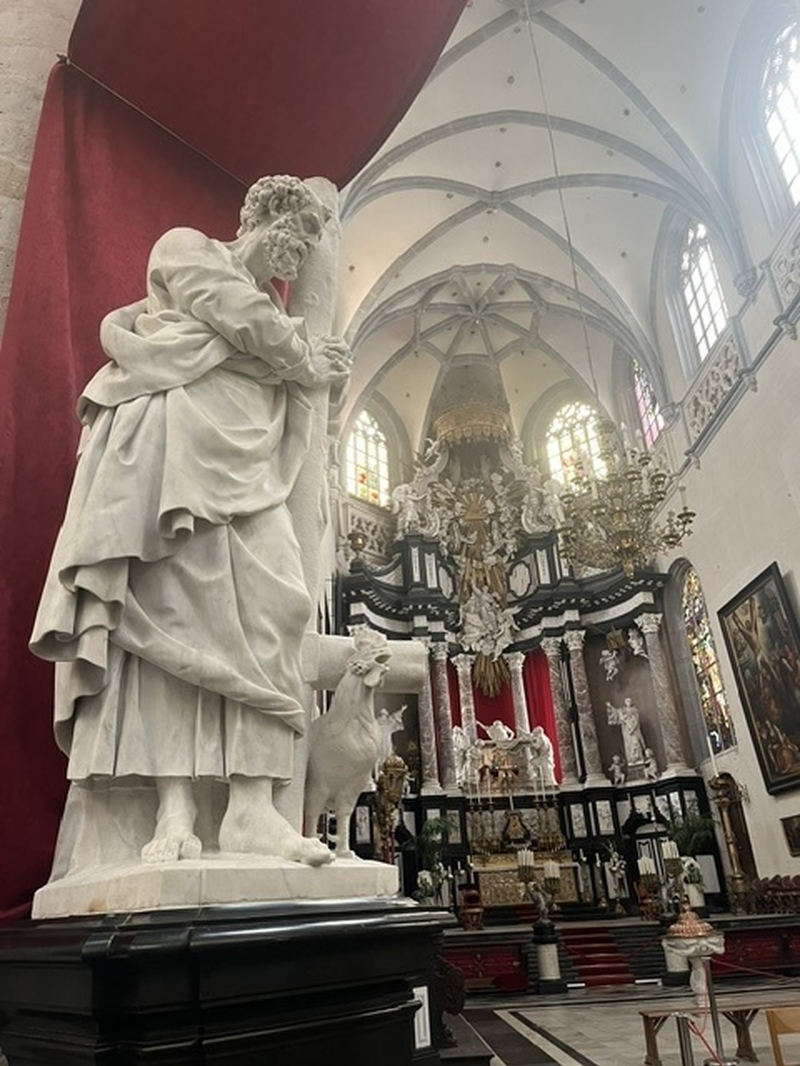
Quite different is the tranquil 16th century Sint-Andrieskirk (St Andrew’s). These days it’s on the edge of the Fashion Quarter; in the 19th century the neighbourhood, crammed with 35,000 poverty-stricken folk, was known as the “Parish of Misery’. On first glance it remains a church very much in harmony with its community. You can ride an exercise bike while watching a pilgrimage video or follow a birth-to-death installation from pram to wheelchair, via different stages of shoes, culminating in a photo tribute to deceased parishioners.
All this alongside so many decorative treasures. Van Gogh admired the stained glass. Centrepiece, though is the enormous sculpted pulpit added in 1821, which depicts Jesus enlisting fishermen Andrew and Peter as disciples. The backdrop a rugged with intricate depictions of their boat, nets and catch.
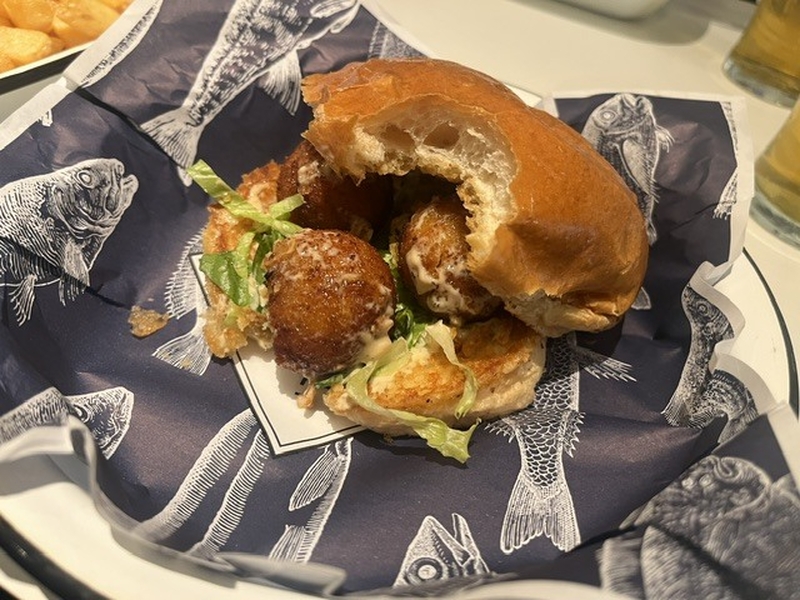
Two brilliant bistros that major on the grape
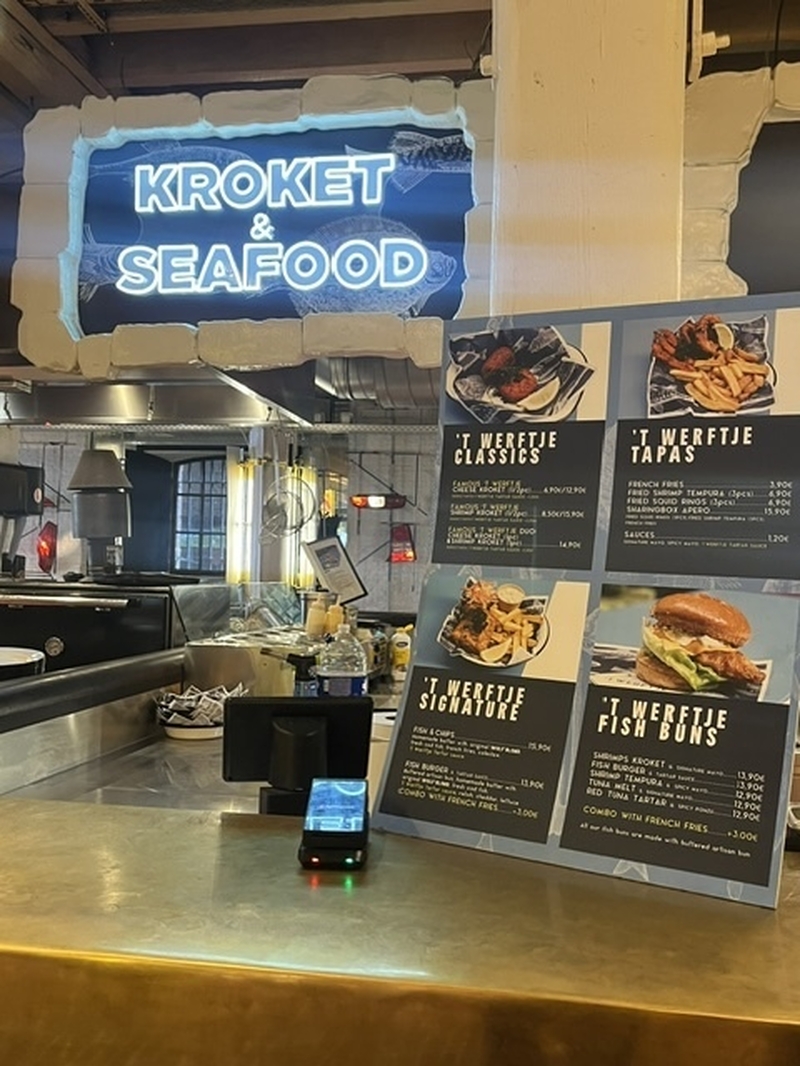
Ah, fish. You can go down the snack route, say, ordering classic shrimp croquettes from ’T Werftje at the Wolf Sharing Market a street food hall with 10 restaurants, close to the MAS museum on Het Eilandje, the old port quarter. Or settle for the inevitable mussels and frites everywhere.
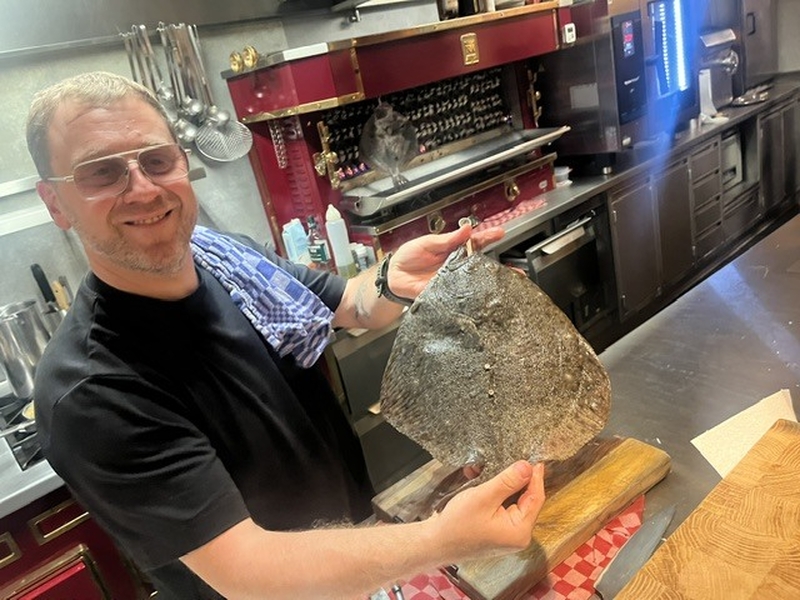
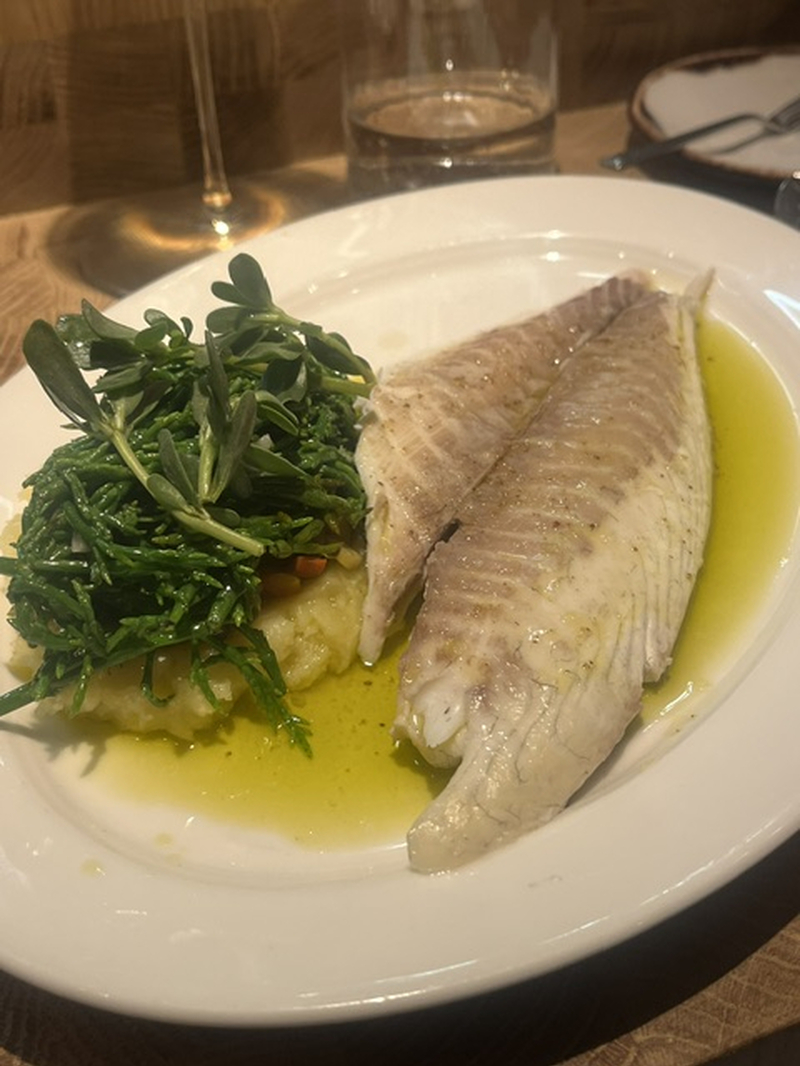
But for superlative wood-fired fish cooking look no further than Michelin-mentioned InVINcible, set among the maze of gabled houses in the historic city centre. The VIN is a clue that this is a serious wine list curated by co-owners Kenny Burssens and Wendy Van den Bergh. From the counter around the open kitchen it’s mesmerising to watch Kenny shuffle cuts of meat and fish from direct to indirect heat. We shared a whole gilt-head bream that was piscine perfection. Washed down with a bottle of old vine Chenin Blanc.
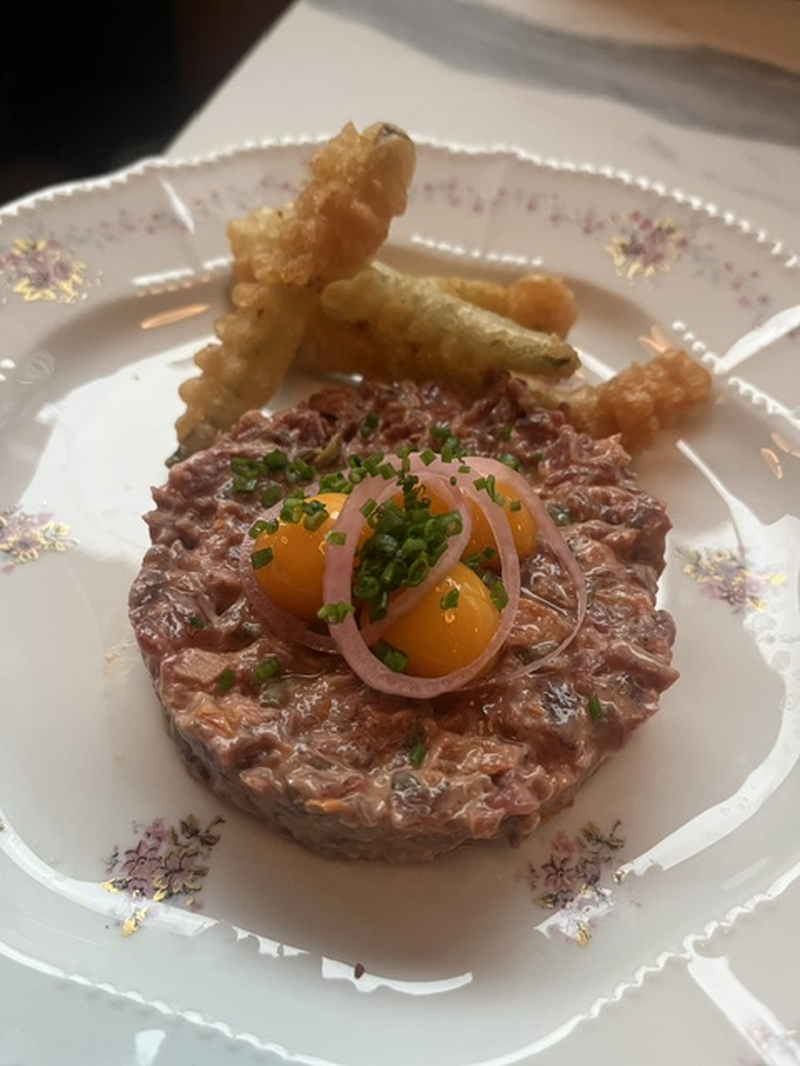
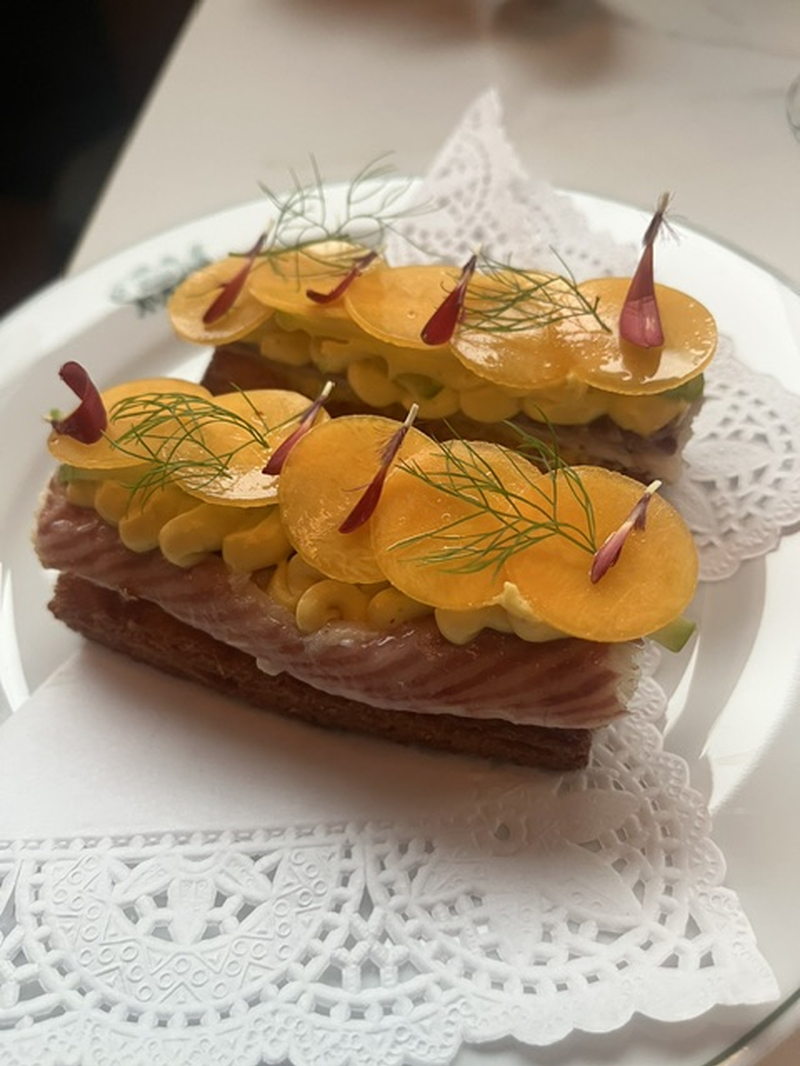
This South African white is very much in vogue. It was another top recommendation at Bar Misera, wine-led offshoot of Nicolas Misera’s Michelin-starred restaurant, set in the hip Nieuw Zuid (New South) district. Recommended small plates might include brioche with smoked eel, while the vol au vent poulet barigoule, crevette grises ramps up the French influence.
It must be time for a beer… this is Belgium
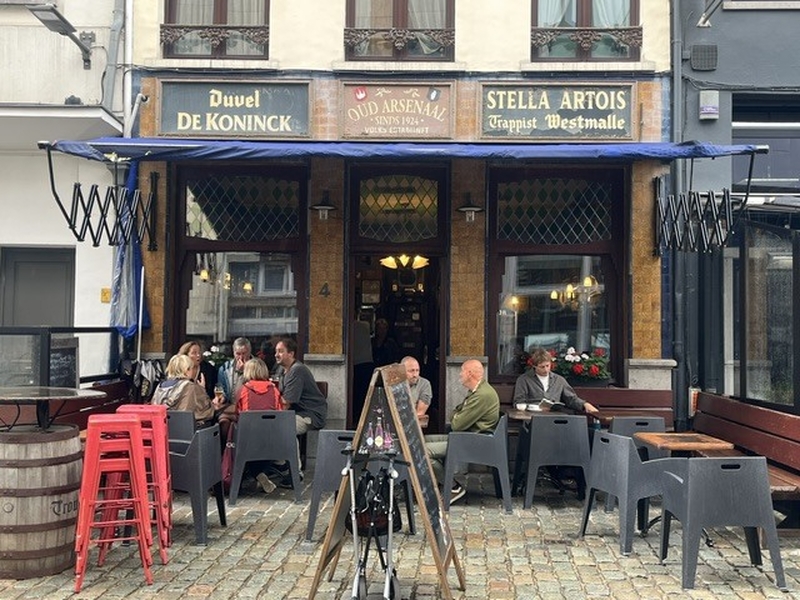
Antwerp’s bruine krogen (brown cafes) follow the Low Countries template of cosy dark wood interiors and well-worn furnishings with a capacious beer list and simple snacks, if you are lucky. Take my favourite, De Oude Arsenaal, on Maria Pijpenlincxstraat and handy for the Rubenshuis. This tiny family-run bar is set in a one-time weapons depot, as the name implies. Its decor of brown and yellow floor tiles and red-leather-backed benches looks barely changed from its 1924 inception.
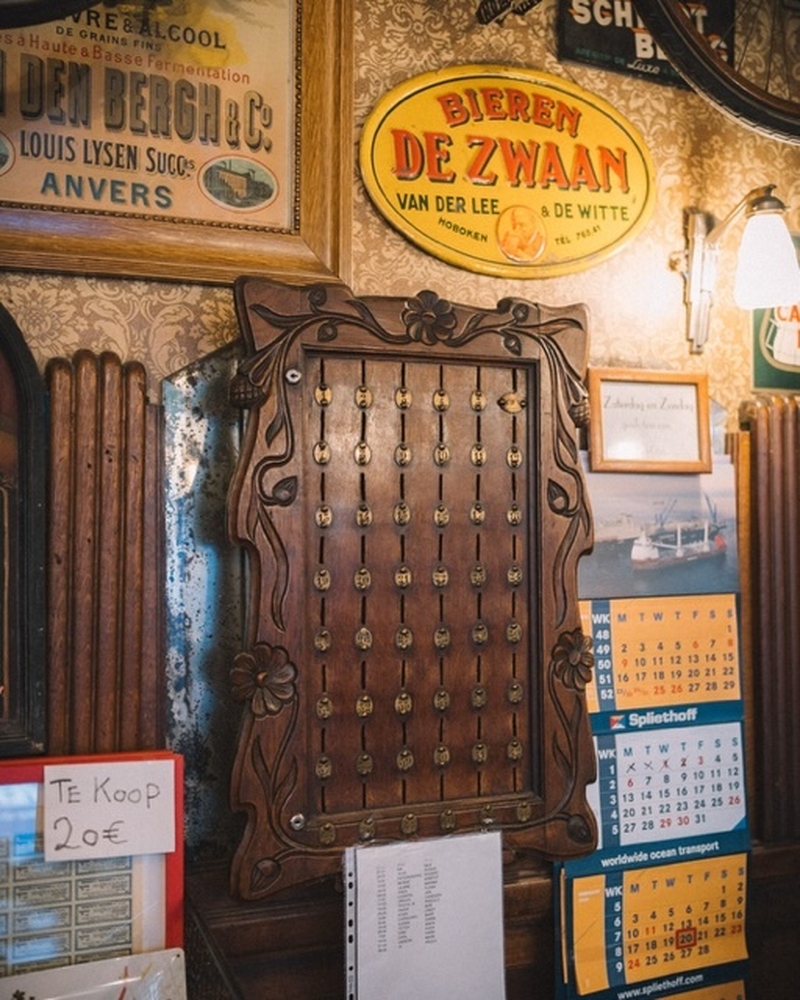
Look out for the 48-slot spaarkas (piggy bank) above the propped-up bicycle. Regulars still stash their coins in it to spend on an end of year blow-out.
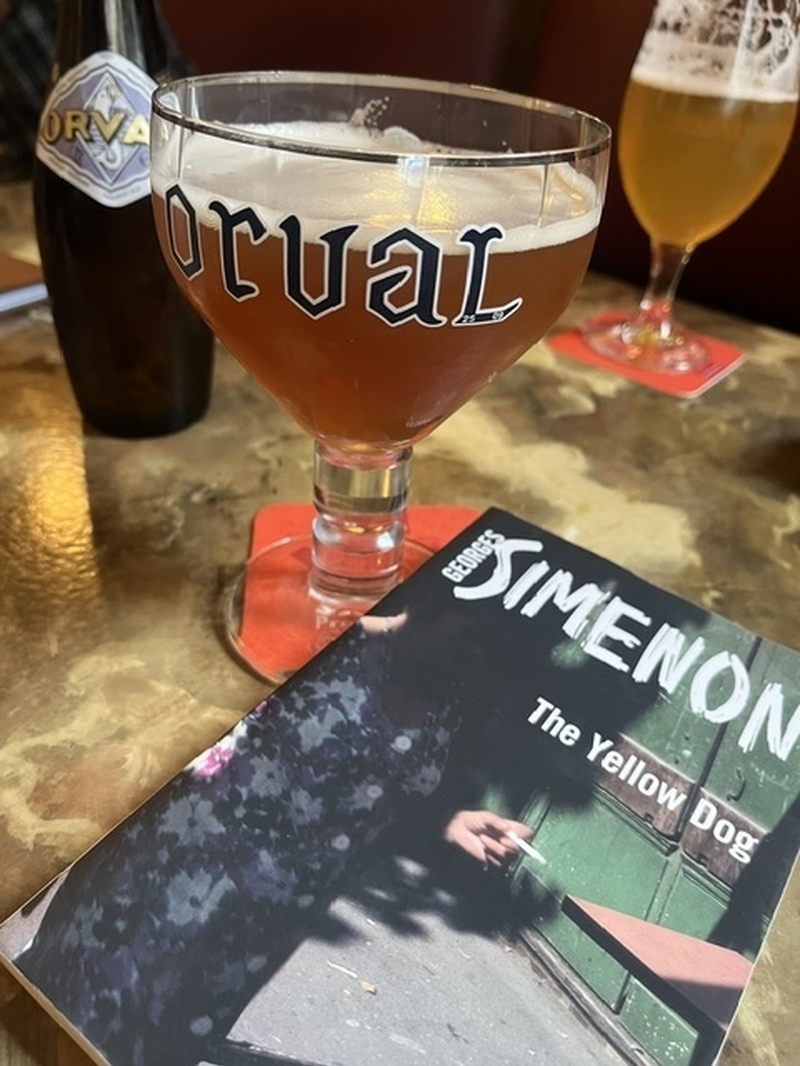
Order the Trappist ale Orval, which owner Steph has given extra bottle age in the cellar to make it a ‘Classique’.
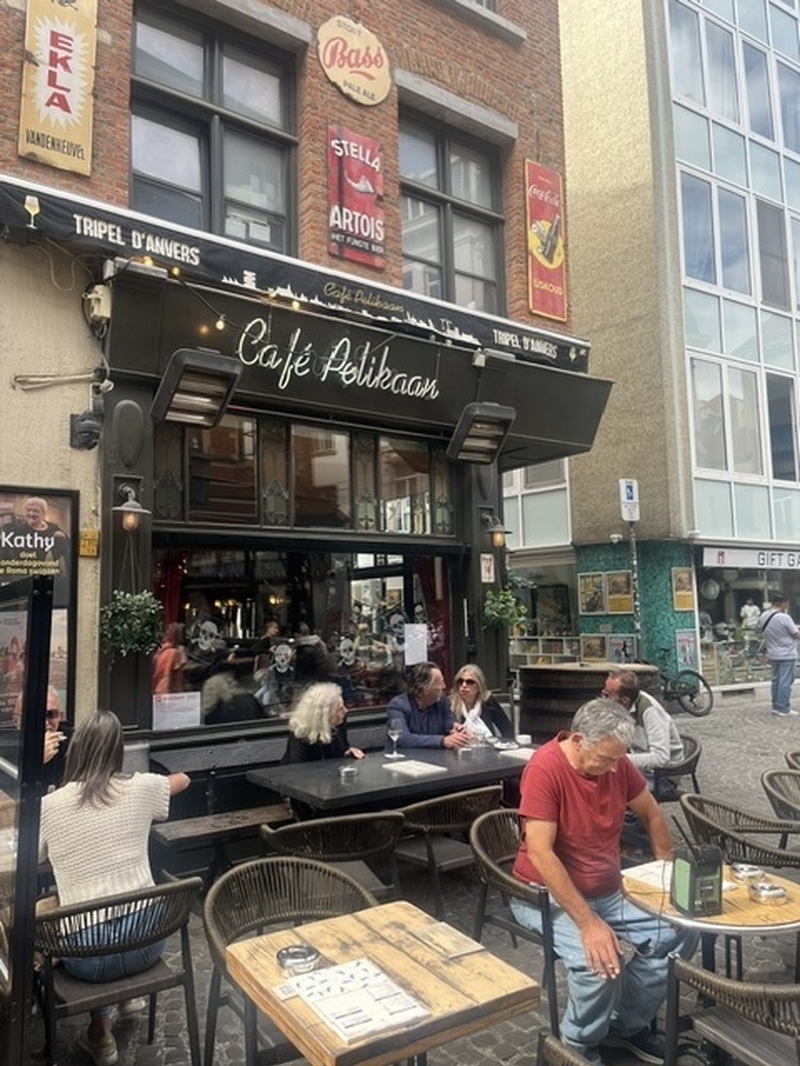
Unpretentious Café Pelikaan sits in the shadow of Our Lady Cathedral. Art Deco neon signs and mirrors enliven the inside and there are outdoor tables in the passage leading to the Grote Markt. Ales? Ask for a Westmalle Tripel or Rochefort dark ale. High octane stuff after a palate freshener of De Koninck.
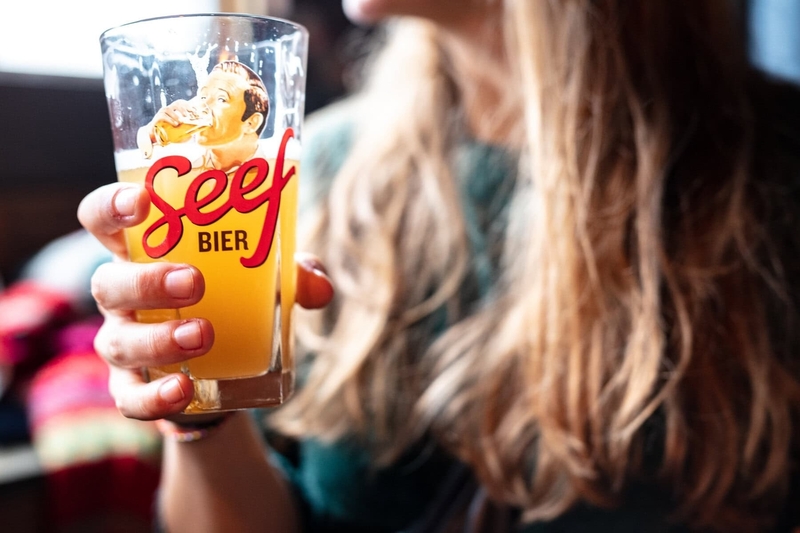
The detective story behind Antwerp’s cult beer Seef
You can use your Antwerp City Pass for De Koninck’s old City Brewery self-guided ‘interactive experience’ (with two small free beers). Not as exciting as it sounds, though the complex does boast quality butcher’s and cheese shops and a range of restaurants.
Your time is better spent heading up to Eilandje, the oldest part of the Port of Antwerp, transformed into one of its coolest nightlife hang-outs. In its quietest corner you’ll find the Antwerpse Brouw Compagnie (Antwerp Brewing Company), home to Seef, the beer that disappeared but was brought back to life by brewer Johan van Dyck.
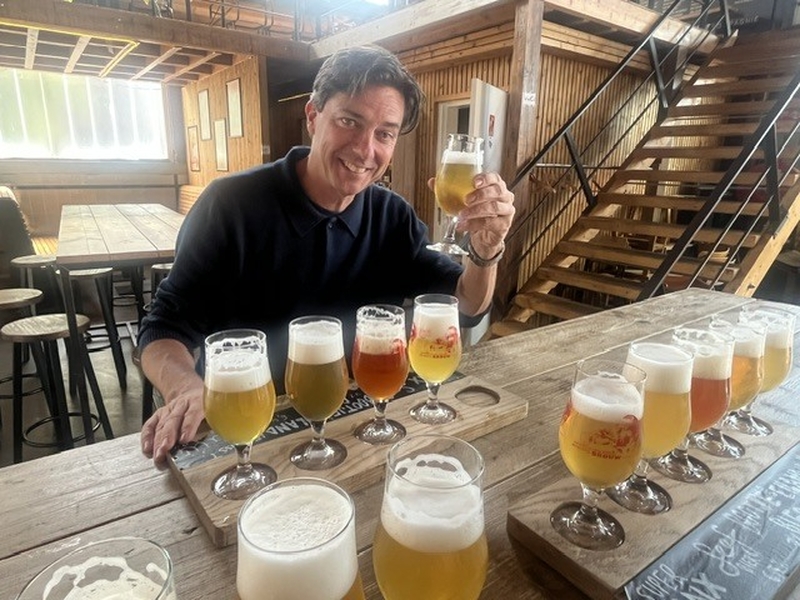
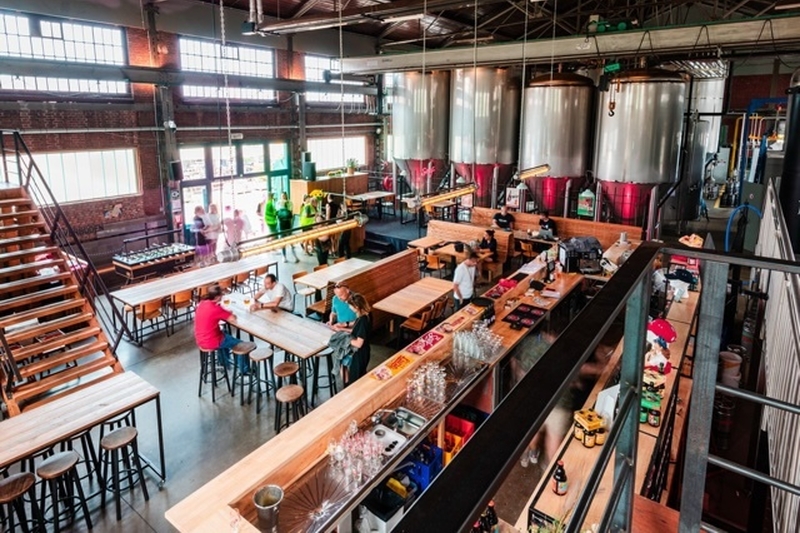
De Koninck only rose to prominence in the 1930s. Before that Seef, a buckwheat-based blonde beer they named a whole district after, was king. Then the German Great War invaders switched breweries to Pils production or forced their closure. Antwerp-born van Dyck spent three years sleuthing to rediscover the original recipe and reproduce Senf. His version is moreish, as is the rest of his diverse beer roster, which you can taste at the taproom inside the brewery.
Two Eilandje museums that celebrate a nautical legacy
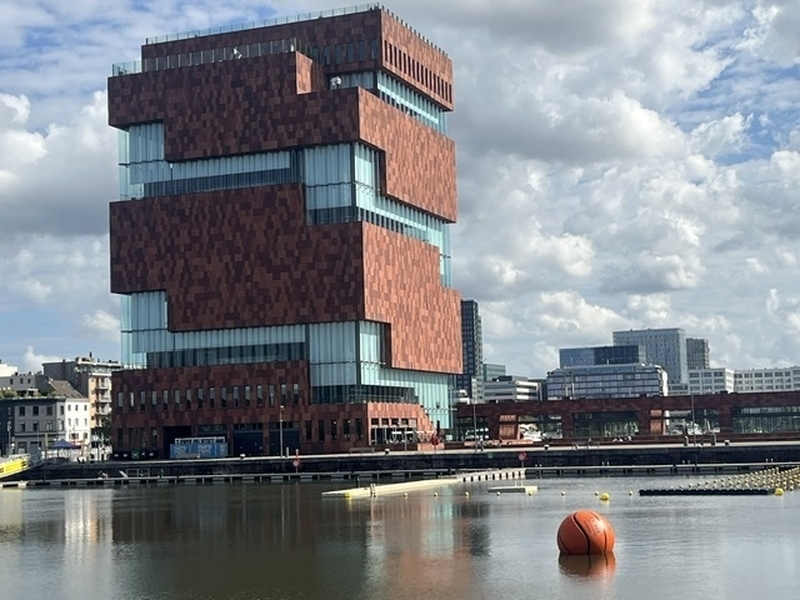
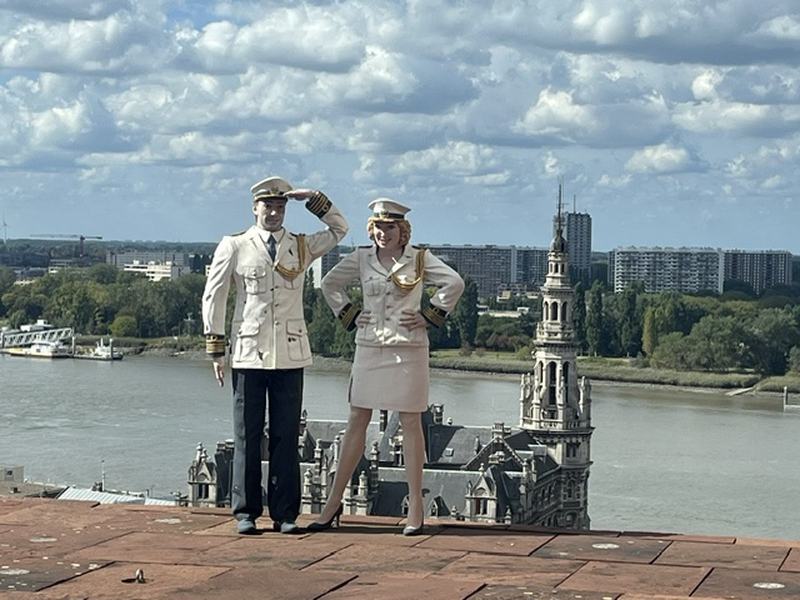
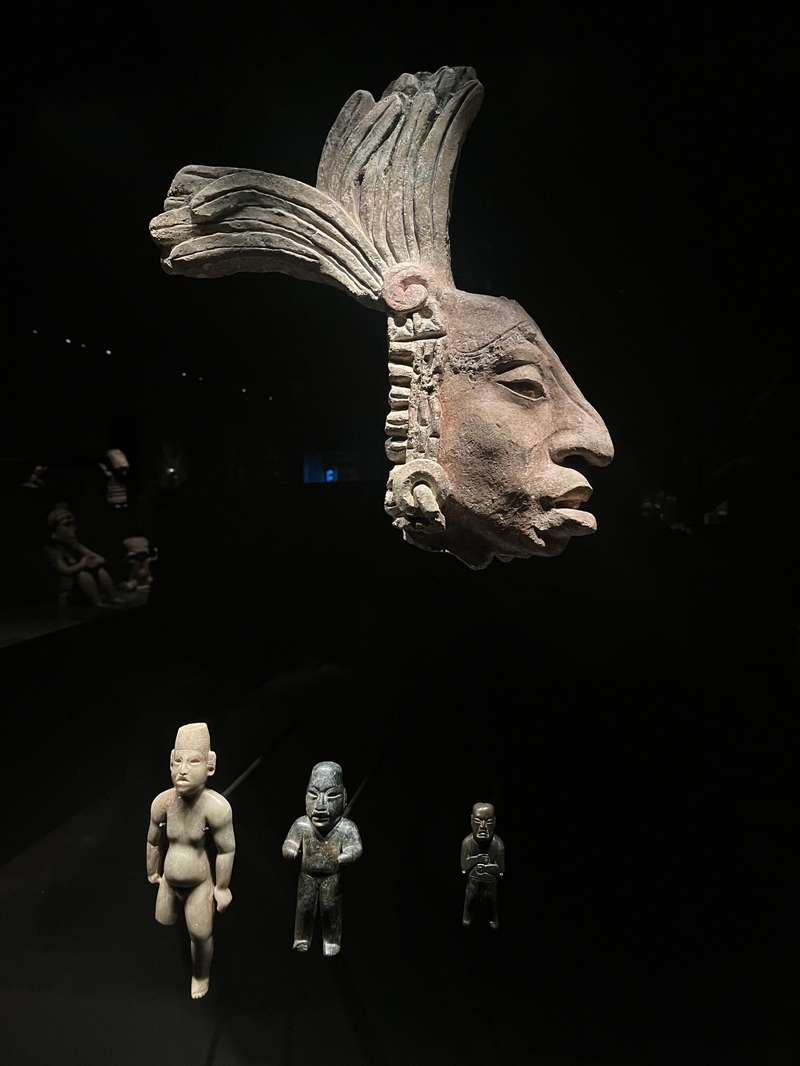
It’s a pattern in most North European port cities – to reinvent redundant dockland. Antwerp has done it well, but Het Eilandje still feels a voyage in progress. The standard bearer for all this regeneration is MAS, which stands for the Museum aan de Stroom. Start at the tenth and top floor for a view back down to Het Steen and out to sea. The mission statement of MAS is global connectedness. This is best exemplified by two of its exhibitions – the one that traces the history of Antwerp and the sea and a remarkable private collection called Art of America. A treasure trove, particularly the Ancient Mexican contributions.
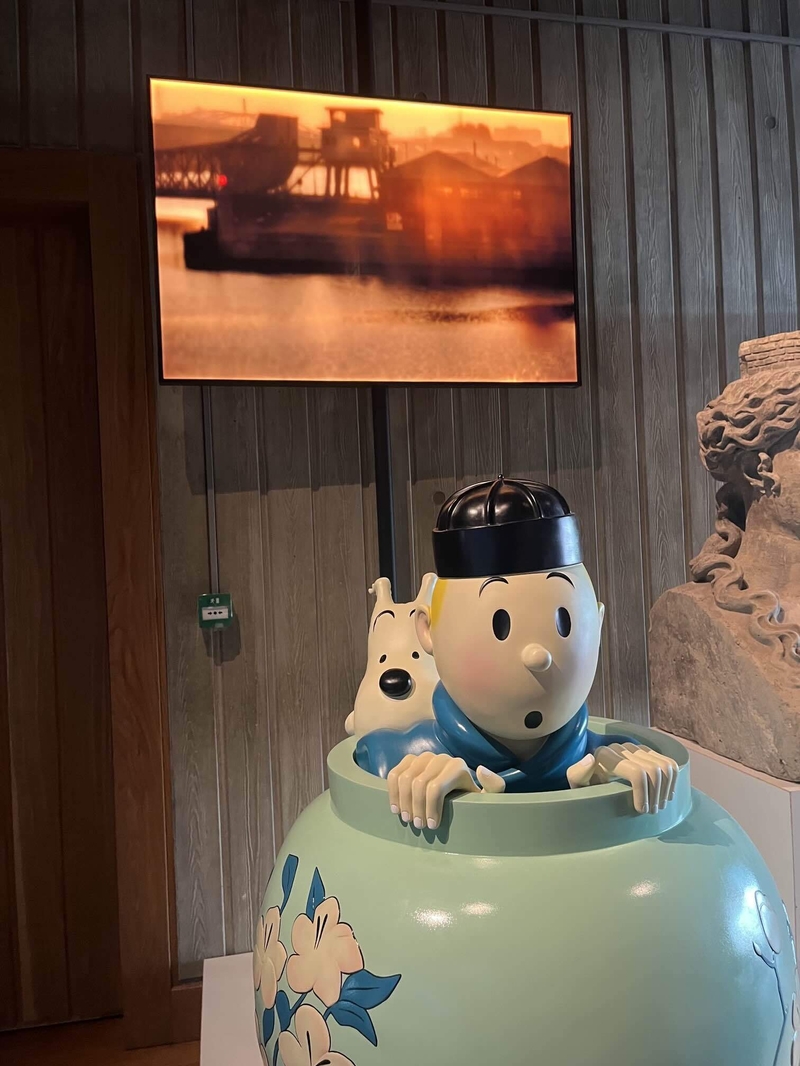
Back to Brabo. Look closely at the reddish-brown facades of the MAS and you’ll spot shiny aluminium hands hanging there. They are a special thanks to individual donors in its creation.
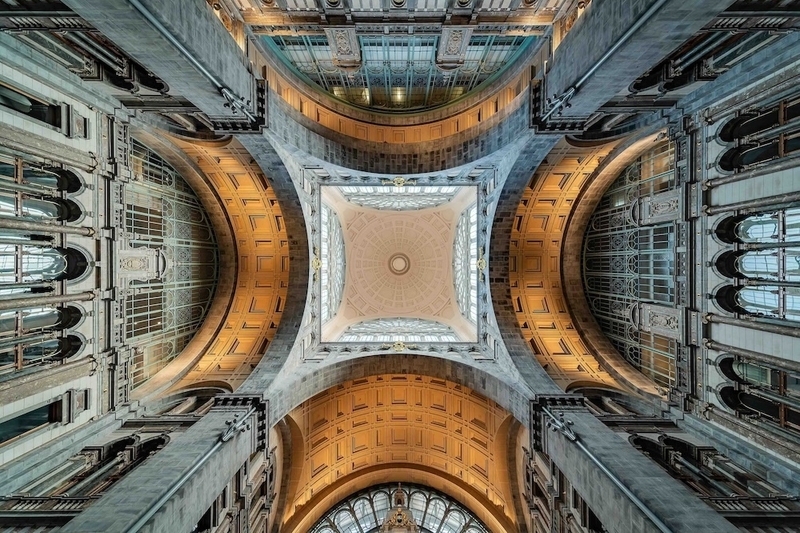
This is in stark contrast to the ‘global connectedness’ of Leopold II whose barbarous colonisation of the Congo 150 years ago forged the riches that created the Centraal Station and much of the city’s imposing architecture. The equivalent of how the Slave Trade funded the landmark buildings of Britain's great ports
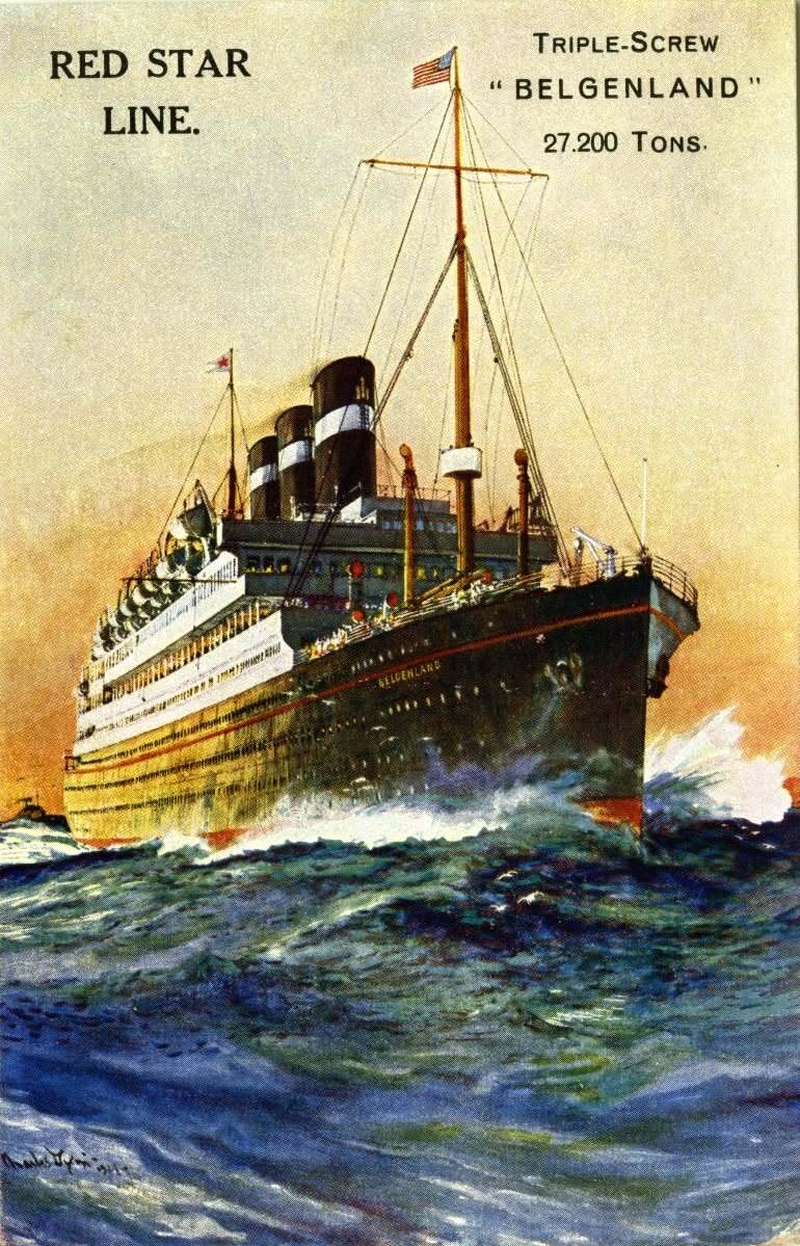
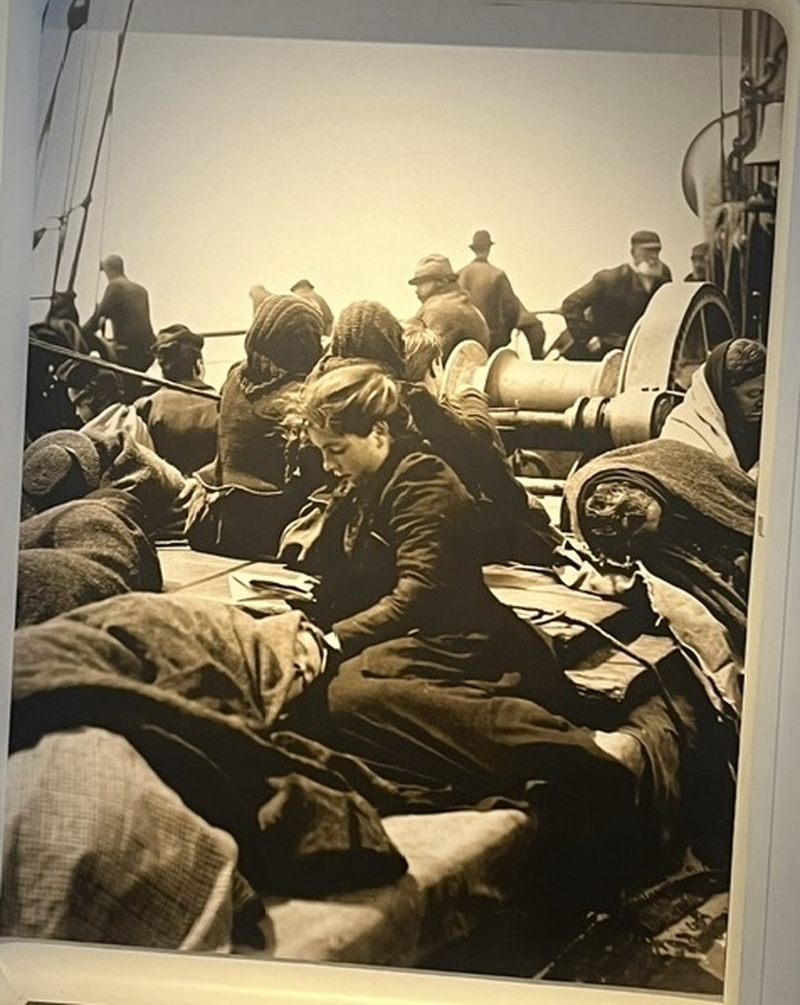
In the same Leopold era Antwerp was a key port for the emigration of thousands of passengers seeking a better life in the New World. Their moving stories are told in the Red Star Line Museum, a 10 minute walk from MAS (and not much more from the the Antwerpse Brouw Compagnie). The fabric of the shipping company building remains much as it was. So alongside the digital explications there’s no escaping that melancholy mood of that step into the unknown, which befell so many. As I said, Antwerp never stands still.
Fact file
Neil flew from Manchester Airport to Brussels Zaventum Airport with Brussels Airlines. The rail connection between Brussels Airport and Antwerp takes just over half an hour.
You can book your Antwerp City Pass online or at one of the city’s tourist offices. 24 hours costs 45 euros, 48 hours 55 euros, 72 hours 65 euros. It gives you entrance to 18 museums, three churches and three attractions plus free transport on trams and buses.
For full tourist information visit Welcome to Antwerp.
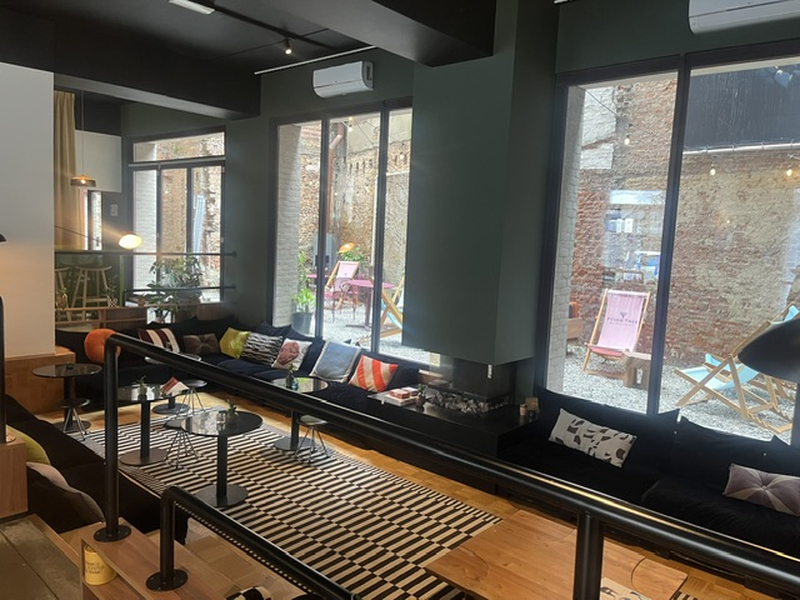
In Antwerp he stayed at the boutique hotel BANKS, Steenhouverswest 55, 2000 Antwerpen, Belgium. Hugely convenient for the cultural heart of the city, it offers relaxed public rooms with an early evening complimentary aperitivo hour and an honesty box for drinks at all other times.
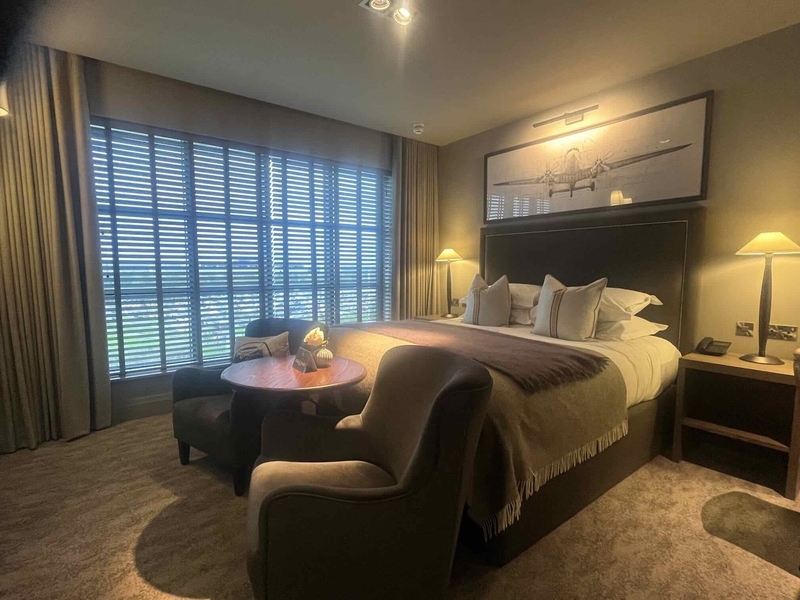
To catch the 6am flight Neil stayed at the new £55million Dakota Manchester Airport Hotel, which is a cut above its rivals for the runway trade, offering a round the clock shuttle to the Terminals and upper end bar and dining opportunities. Read my full preview of the hotel.
Get the latest news to your inbox
Get the latest food & drink news and exclusive offers by email by signing up to our mailing list. This is one of the ways that Confidentials remains free to our readers and by signing up you help support our high quality, impartial and knowledgable writers. Thank you!

Join our WhatsApp group
You can also get regular updates on news, exclusives and offers by joining the Manchester Confidential WhatsApp group.