









Neil Sowerby thrills to one of Europe’s most exciting cities
LENIN, Albert Einstein, James Joyce, Ozzie Osbourne, you’re all history now. Zürich bears ample testimony to the past presence of so many exiles and visitors – with plaques, graves, old stomping grounds and even the ghosts of an album called Paranoid. Yet stray beyond the Old Town, the invigorating lakeside and the glass-fronted banking palaces and you’ll find a city creatively reinventing itself at every turn. It’s a heady mix. Deconstructing all those Swiss stereotypes, it makes for a captivating weekend break (though there’s so much to detain you longer).
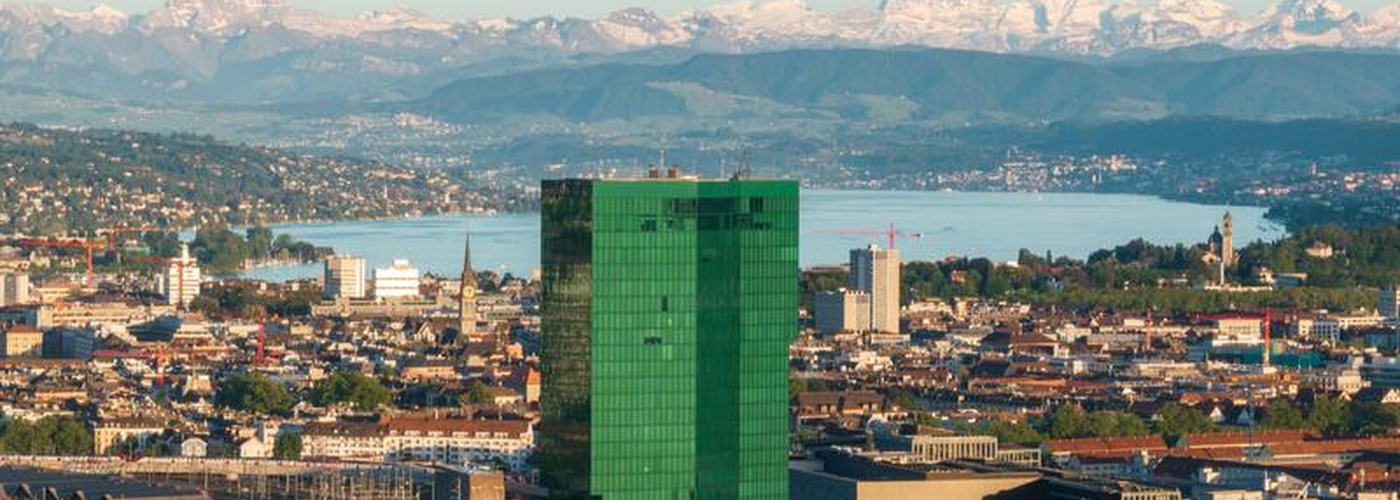
It’s a green glass giant dwarfing the traditional lairs of the ‘Gnomes of Zürich’
More of those contemporary charms later. Where to start? Before we dive into street art and post-industrial chic let’s go way back to the Romans. Up on the Lindenhof hill, where giant chess sets are scattered among the park’s lime trees, there are traces of a fourth century Roman fort, all but erased when 500 years later Charlemagne’s grandson built a palace on the site.
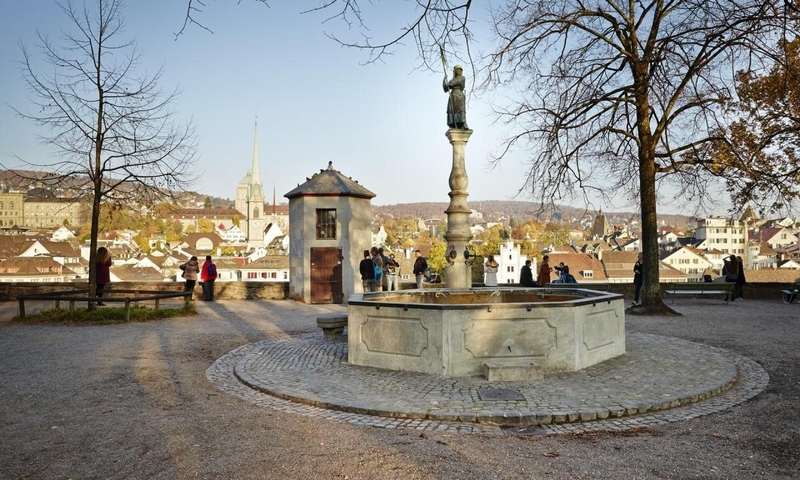
The city evolved below on both banks of the River Limmat as it flowed out of Lake Zürich. From the Lindenhof parapet the view is dominated by the spires and rooflines of its churches, notably the twin-towered, Romanesque Grossmünster. Here Luther’s great Protestant rival Zwingli ushered in the Swiss Reformation. It’s an austere bastion. For me, though, if you only visit one church it has to be the Fraumünster on the Lindenhof side of the river.

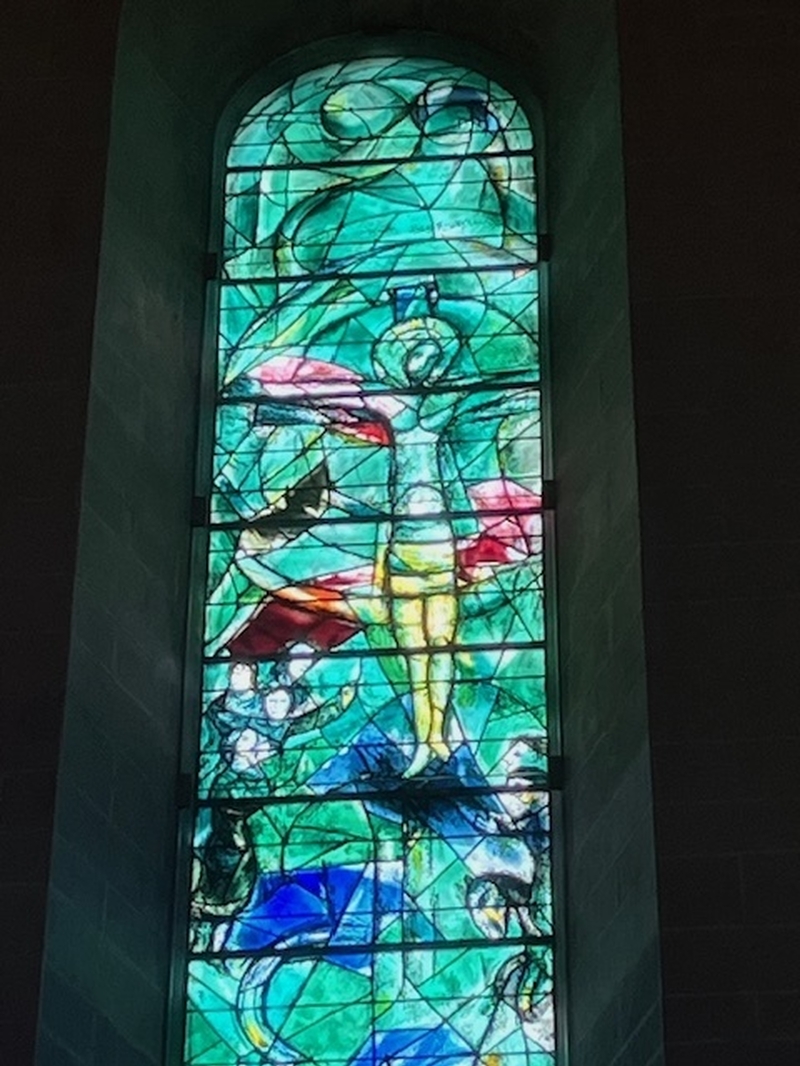
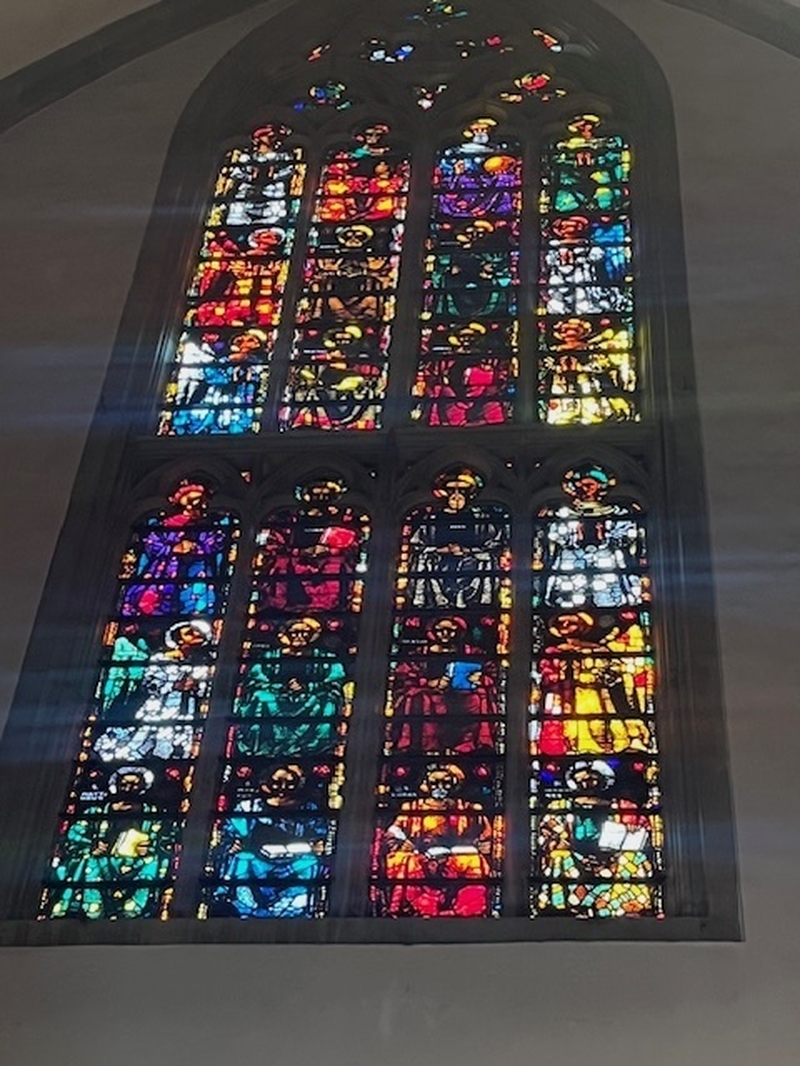
Stained glass marvels from Chagall and Giacometti
The prime reason to pay the 5 Swiss francs entry fee is the stained glass in the choir. In 1970 five large windows by Marc Chagall were installed. Each has a dominant colour and a Biblical theme, be it Christ’s life, Jacob’s struggles or Elijah’s ascent to heaven. The 83-year-old genius was a latecomer to stained glass but these rank among his greatest works. To the left of them (and at twice the surface area) is a rival, Swiss artist Giacometti’s ‘The Heavenly Paradise’, which arrived 25 years earlier. God, Jesus and an array of prophets feature in a spectacular colourfest.
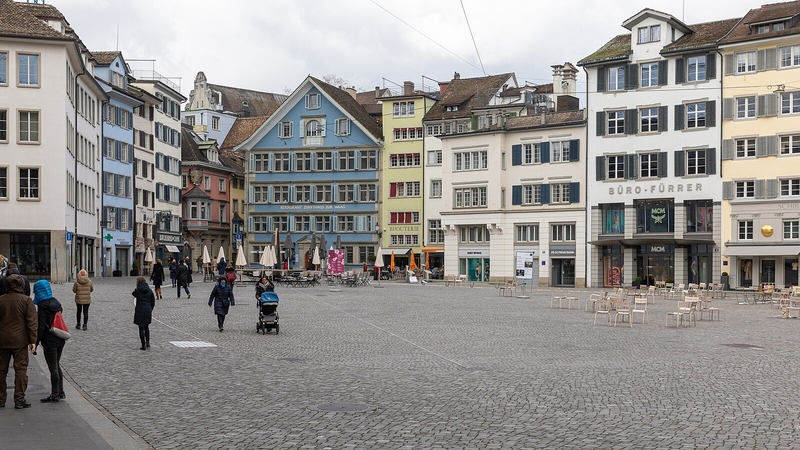
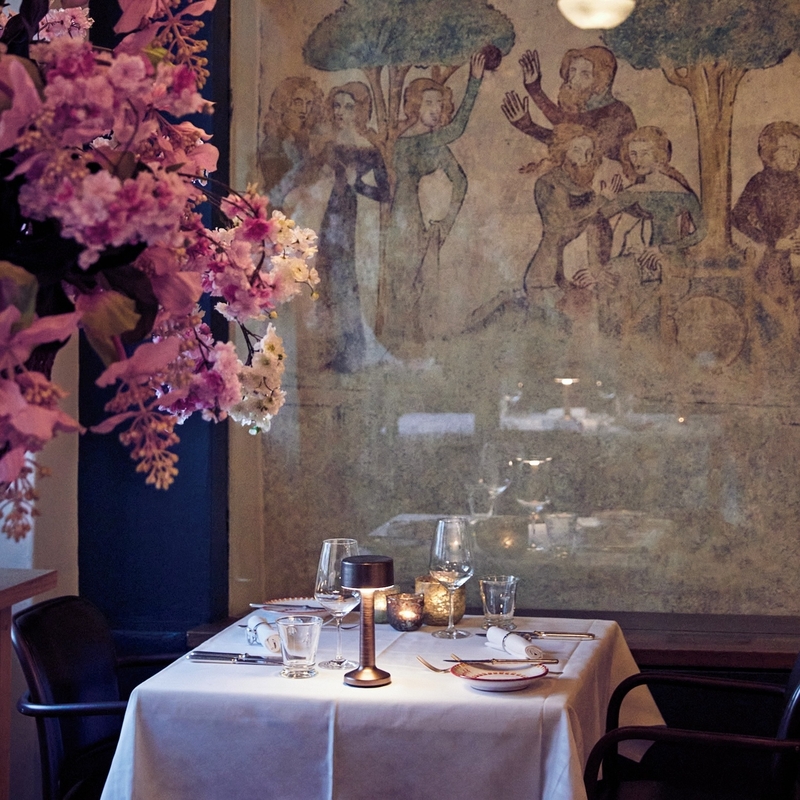
You enter this former Catholic abbey from the Münsterhof, the Old Town’s largest square. An affordable dining option there, with tables on the cobbles, is the rather jolly Wirtsstube Münsterhöfli. Under the present ownership it has only been serving its traditional roster of schnitzels and fondues since 2020, but the medieval building can claim to be the oldest continuously operating restaurant in the city. Ask your server to show you up to the first floor dining room to view ‘The Pleasure Garden’, a 14th century mural behind glass.


Niederdorf – Old Zürich’s ‘Left Bank’
Winding up towards the Grossmünster, Niederdorfstrasse feels more workaday. That’s only relative; alongside the casual food joints are some serious patisseries and fashion boutiques. En route pay homage to the Hotel Hirschen on the square of that name. It’s another 14th century edifice, undistinguished except for its unique connection with the birth of Heavy Metal. In late 1969 a fledgling Black Sabbath had a six week residency at its ‘Beat Club’, which spawned most of the songs for their breakthrough album, Paranoid, and the rest is history.

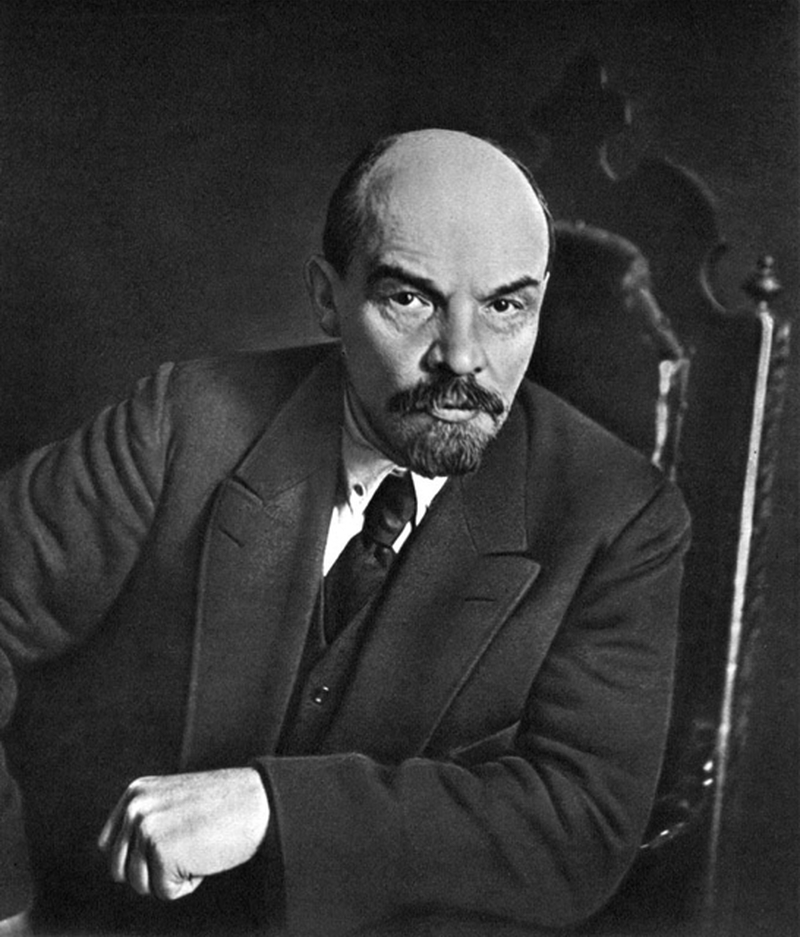
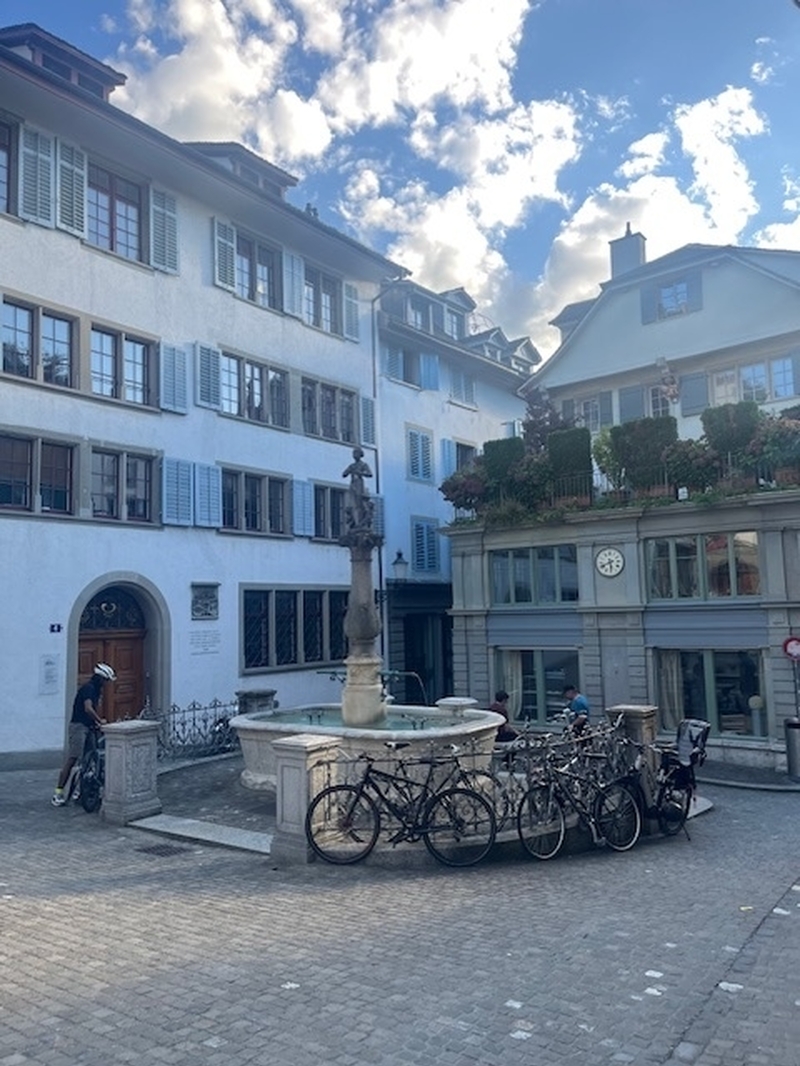
A quite different epoch-shaking work called Imperialism as the Highest Stage of Capitalism was the product of Lenin’s yearlong tenancy of a tiny apartment at Spiegelgasse 14, just around the corner. Check out the plaque. He and his wife shared a love for Swiss chocolate but were plagued by the stink from a nearby sausage factory; both returned to Russia in 1917. To join the Revolution Vladimir Ilyich Ulyanov (his birth name) had done so much to ferment in exile. He left behind his writing desk, which you’ll find in the vast Landesmuseum behind the main rail station.
Leave yourself a few hours to explore; the same applies to one of Europe's great art galleries, the Kunsthaus. A new David Chipperfield extension has given it scope to display even more of its collection of 4,000 paintings and sculptures as well as 95,000 prints and drawings from the 13th century to the present day. Strong on Old Masters, Impressionists, Picasso and that man again, Chagall.
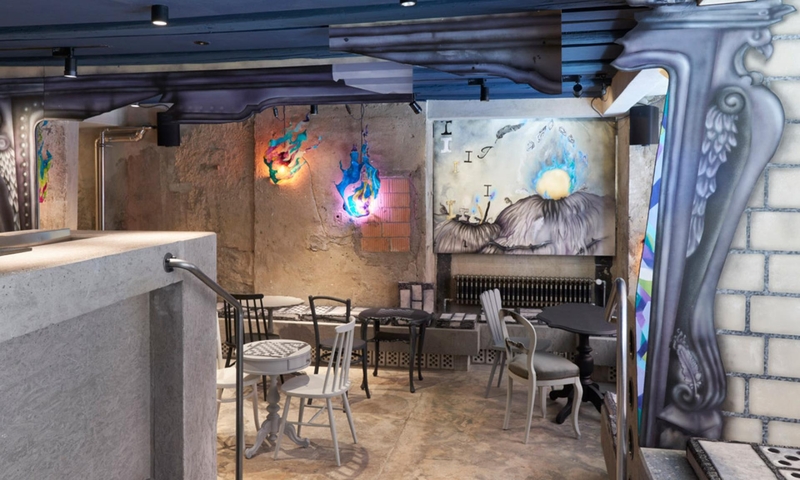
Cabaret Voltaire – keeping the Dada flame flickering
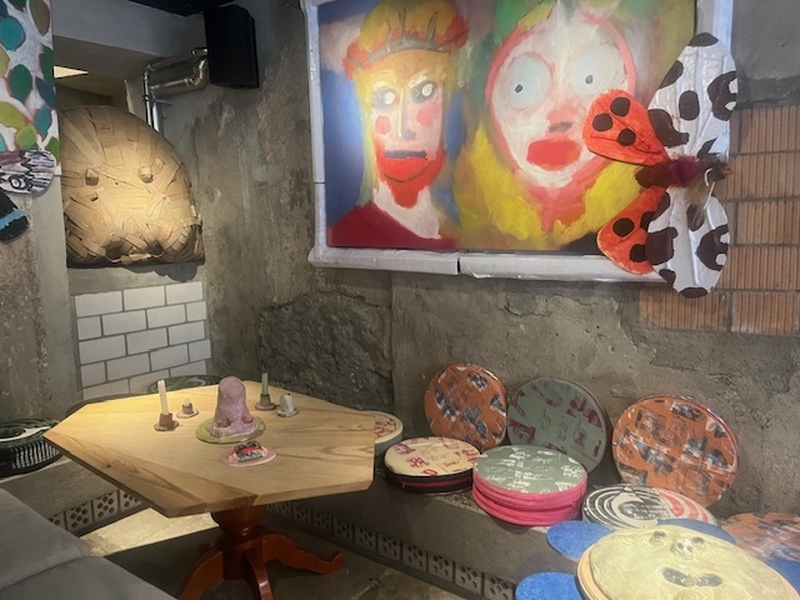
An altogether more intimate artistic stage is to be found at Spiegelgasse 1. Originally what it said on the tin, a political cabaret, it was the birthplace of Dada, the anarchistic, anti-establishment art movement in response to the horrors of World War I. It survives as a random museum (7 Swiss francs entry), performance space and a bar. I downed an IPA and contemplated how the avant-garde of yore loses its power to unsettle.
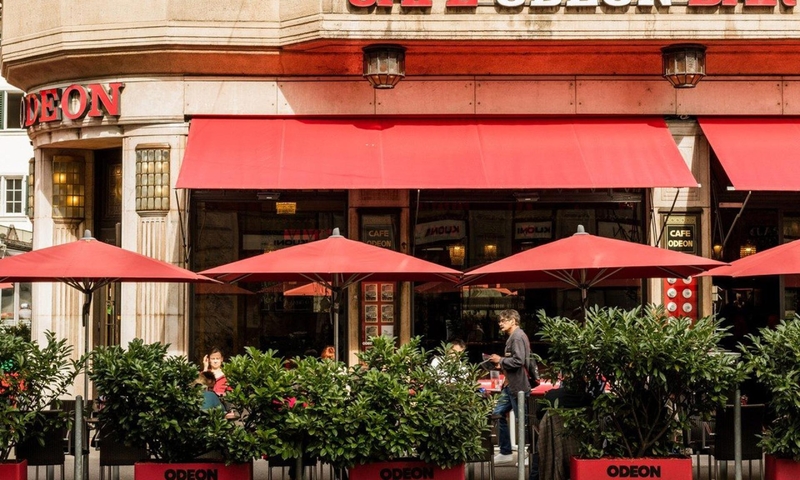

Still, it’s a great survivor, as is the Café Bar Odeon, further along the river bank towards the Lake. When it opened in 1911 as the Grand Café Odeon it instantly became Zürich’s answer to those Viennese coffee houses, attracting illustrious figures from the worlds of art, culture, and science. Romanian-born iconoclast Tristan Tzara (“Thought is made in the mouth”) and those pesky Dadaists certainly frequented it, but so too did Lenin and Einstein, who was Professor of Theoretical Physics at Zürich University.
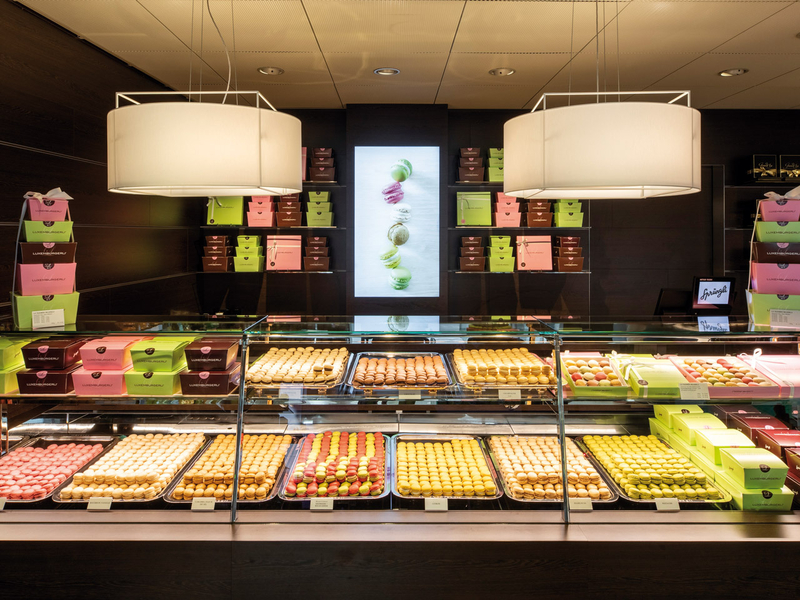
I loved hanging out there, too. Only part of the original premises remains as a bar, but renovation has retained its Art Nouveau splendour. For the sweet-toothed another Zürich institution not to be missed is Confiserie Sprüngli, which has been around since the mid 19th century and has several cafes/stores, including at the Main Station and the Airport. Chocolate remains its big thing, but check out their Luxemburgerli, lighter versions of macarons where two disks of almond meringue are filled with buttercream in a range of flavours.
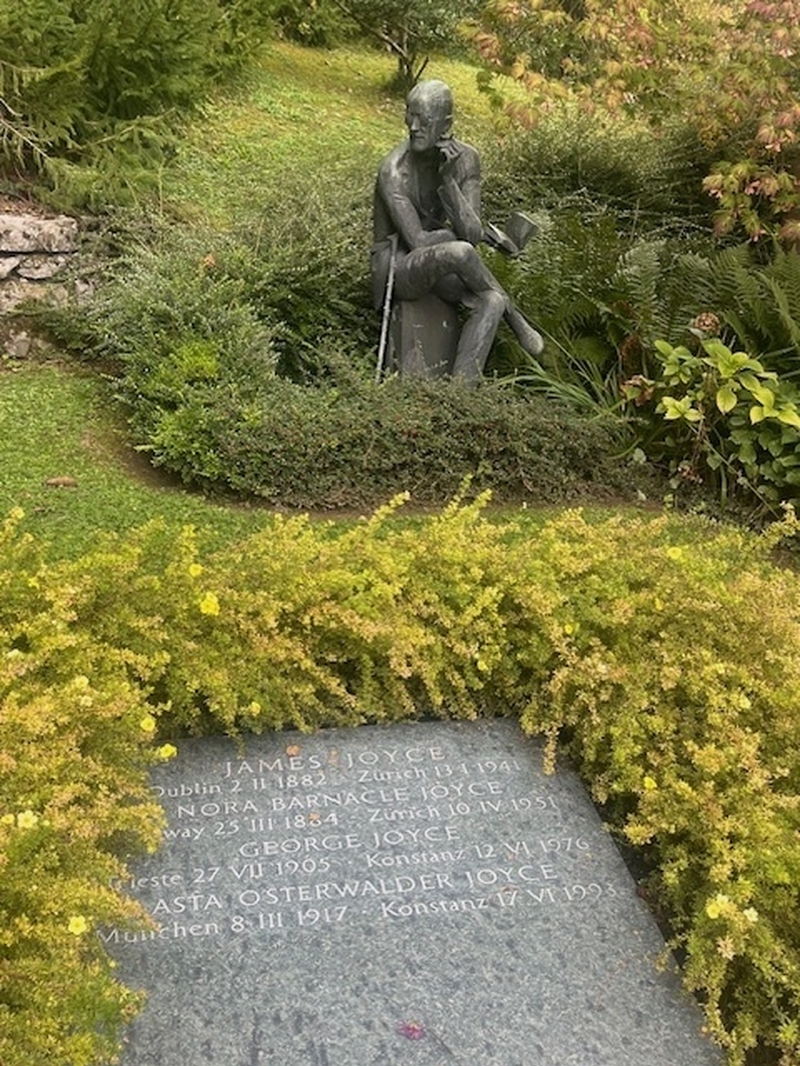
James Joyce – laid to rest in his city of refuge
Another Odeon habitué, the great Irish writer found refuge in Zürich, for four years around the Great War, writing substantial sections of Ulysses there. After recharging my batteries in the Odeon (literally) I caught one of the city’s excellent trams, destination Zoo, up the steep hill to Fluntern Cemetery. The Joyce family grave with its statue of him, book in hand, is a luminous place of pilgrimage.
Serious fans shouldn’t miss the James Joyce Foundation, between the Münsterhof and swanky shopping street Bahnhofstrasse. Here you’ll find his walking sticks, death mask, and even a strip of wallpaper taken from 7 Eccles Street – the Dublin home assigned to Leopold and Molly Bloom in Ulysses.
Another literary great, Germany’s Thomas Mann, spent the final years of his life living by the Lake. 2025 marks his 150th anniversary. Take the S-Bahn out to visit his grave at Kilchberg. Combine it with that village’s major attraction – the Lindt Home of Chocolate. Book well in advance for this hugely popular, interactive museum.
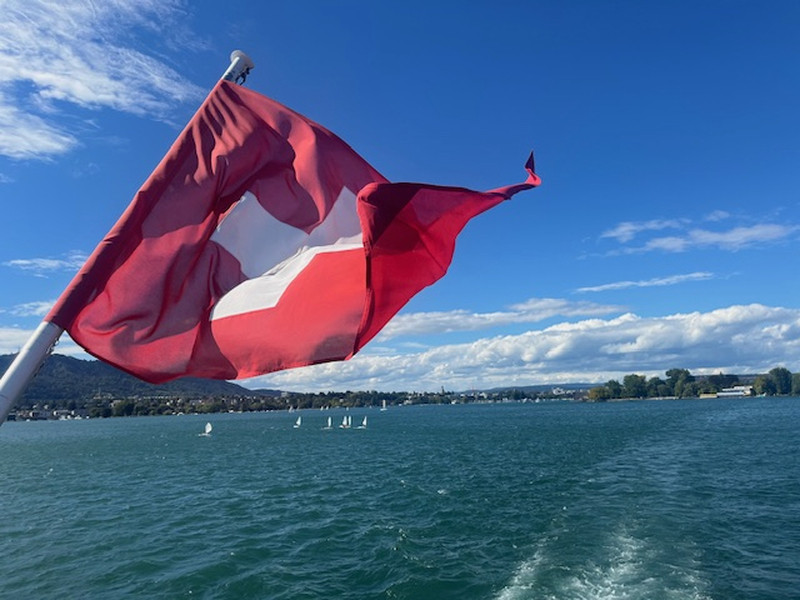
I chose the less sticky option of a Lake cruise on a breezy day when the yacht sails were billowing on the vast expanse of water. The Zürich Schifffahrt vessels leave from the Bürkliplatz jetty at the southern end of Bahnhofstrasse. Out of the variety of trips on offer I picked the one hour mini lake cruise, which is included in the Zürich Card (see Factfile).
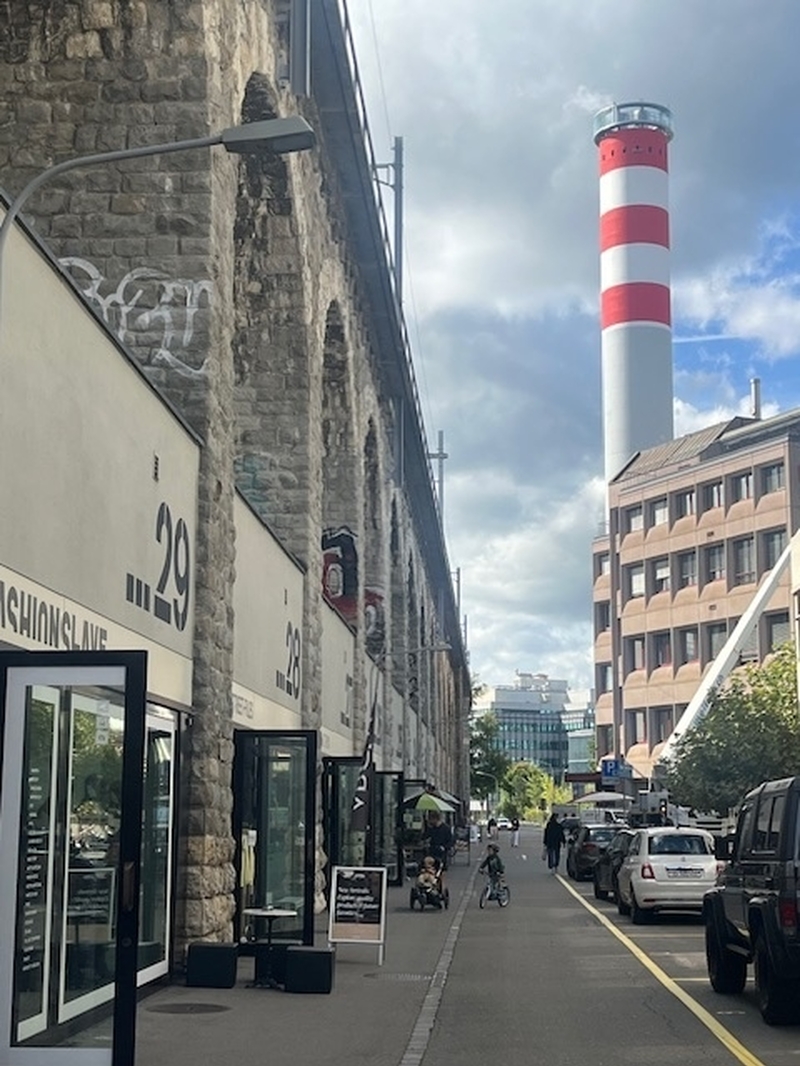
Viadukt, District 5 and Zürich West – the new frontier
The winds can pick up too in the open spaces left in the old industrial zones now being transformed for the 21st century. Not on the day I explored Zürich-West/District 5 when bright sun silhouetted the red and white striped tower of the decommissioned city incinerator plant and the very-much-of-the-moment Prime Tower – at 126m and 36 storeys until recently Switzerland’s highest building, with the panoramic Clouds Kitchen restaurant on top. It’s a green glass giant dwarfing the traditional lairs of the ‘Gnomes of Zürich’ (our Sixties PM Harold Wilson’s pejorative term for the city’s meddling bankers).

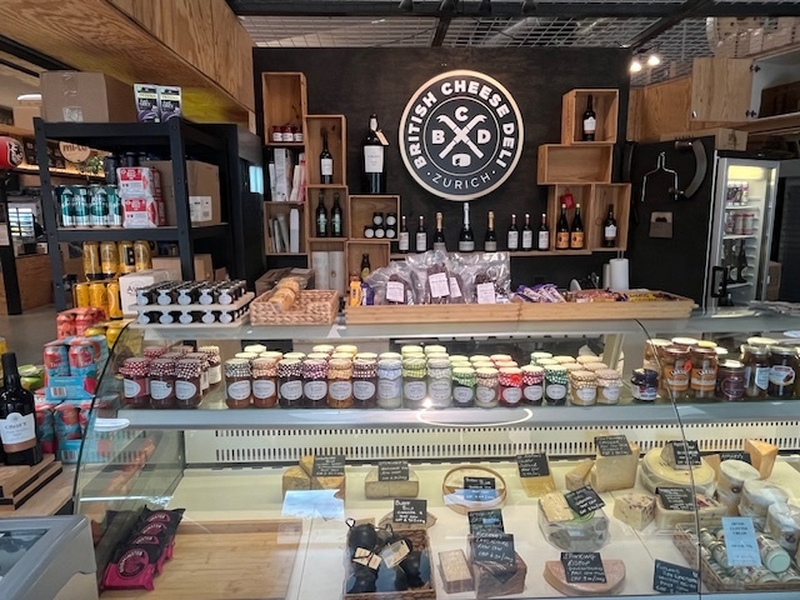
A few minutes walk away the still operating Swissmill Tower is the world’s tallest grain silo at 118m. But size isn’t everything; in the spaces in between a very human recolonisation is taking place. Next door to the silo is the entrance to the Viadukt Market Hall, where 20 vendors offer specialist takeouts and fresh produce (one stall majors in British artisan cheeses such as Baron Big and Stinking Bishop).
It’s a destination in its own right but only the starting point for an exploration of the 50 indie businesses that have taken over this stretch of stone railway arches. At the further end is the Restaurant Viadukt. Eat here and you’ll find creative use of sustainable, local produce but also be supporting a project typical of today’s Zürich, where young folk with issues are integrated into the kitchen workplace.
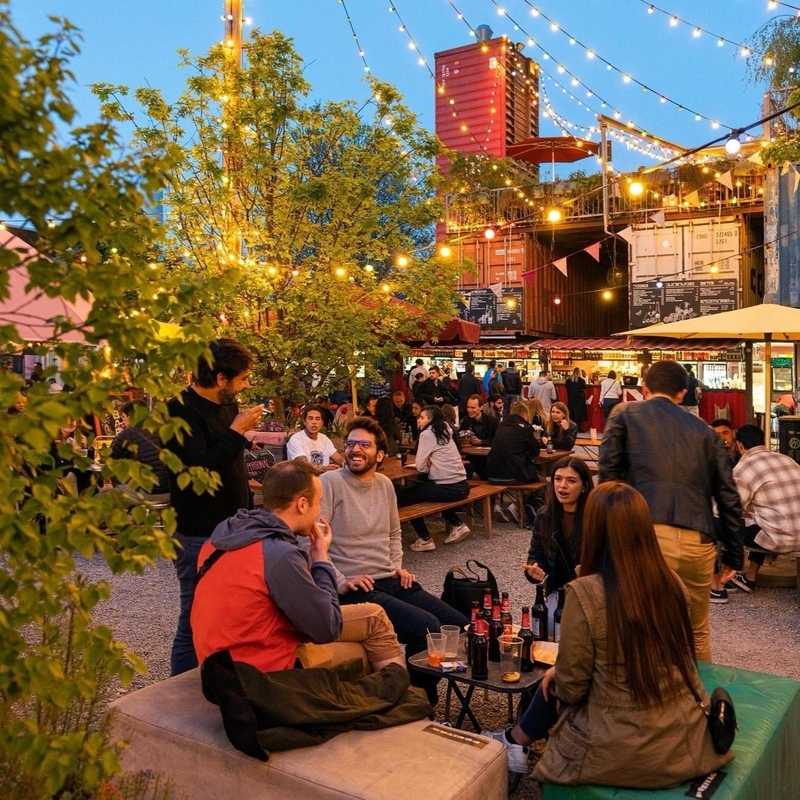
A funkier outdoor space, in the shadow of Prime Tower, is Frau Gerolds Garten, where a raw industrial site has been transformed into a lush party garden hosting street food containers. Expect glühwein, fondue, fairy lights and ski heaters as Christmas approaches. It’s next door to the Freitag Flagship Store if you fancy a spot of bag-driven retail therapy.
The culturally inclined should head for former shipbuilding factory the Schiffbau, an offshoot of Zürich’s famous Schauspielhaus, championing progressive theatre.
Urban art rules, then I stumble upon Martin Parr
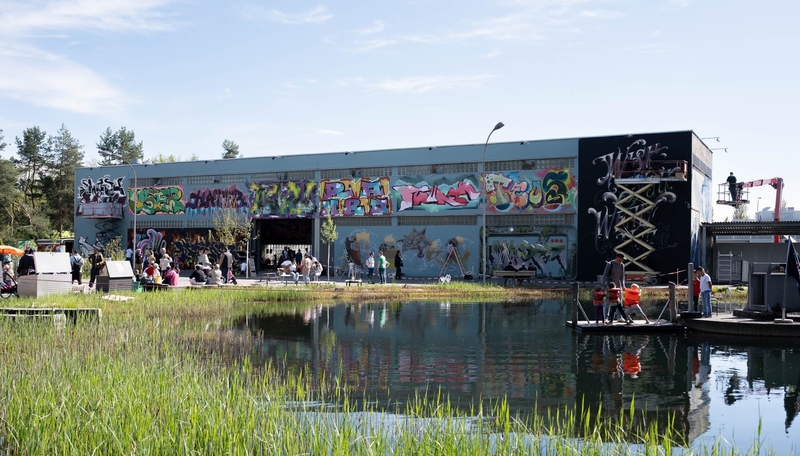
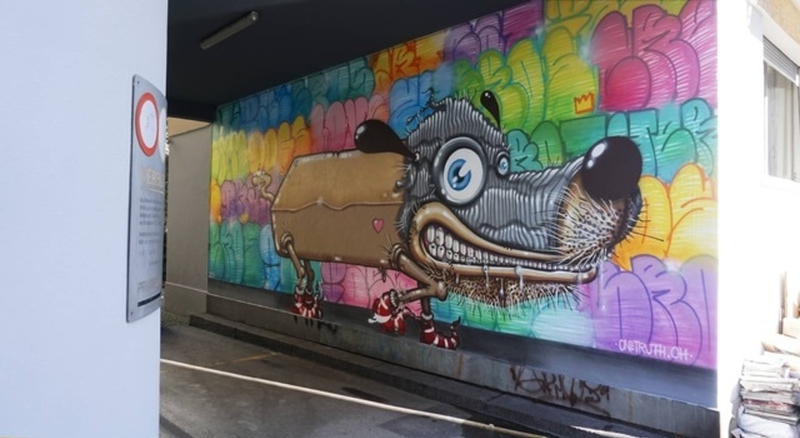
This summer Graffland opened in the northern Opfikon district on the way to the airport. A former waste water treatment plant has been repurposed as a vast exhibition of graffiti, celebrating artists across Europe, but you don’t have to trek out there to appreciate the quality of Zürich’s urban art. It’s everywhere. I loved One Truth’s Don’t Wake Up Sleeping Dogs on Limmatplatz. I came upon it en route for the Lowenbraukunst-Areal, a late 19th century brewery converted into a major art complex, home to both a Kunsthalle outpost and the Migros Museum of Contemporary Art. Star Migros exhibition of the winter looks to be Leap Year by Seoul-based artist Haegue Yang, in association with London’s Hayward Gallery.

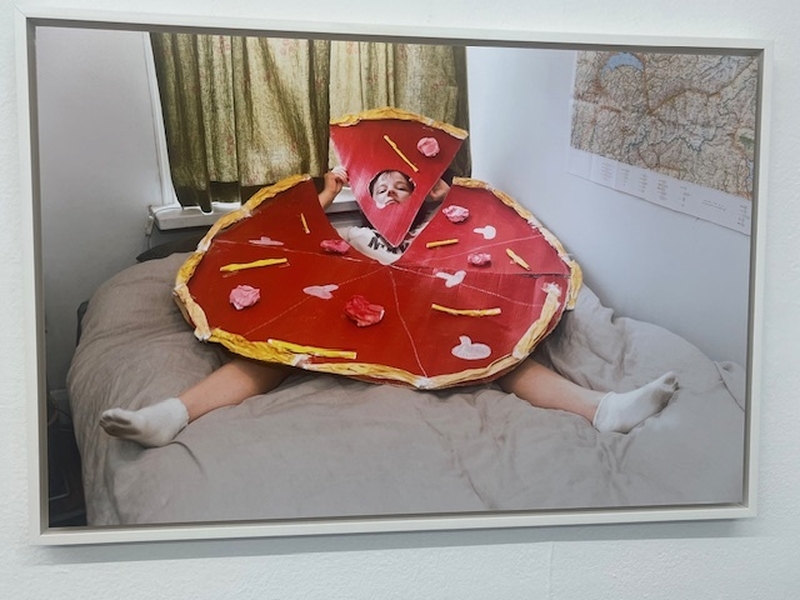
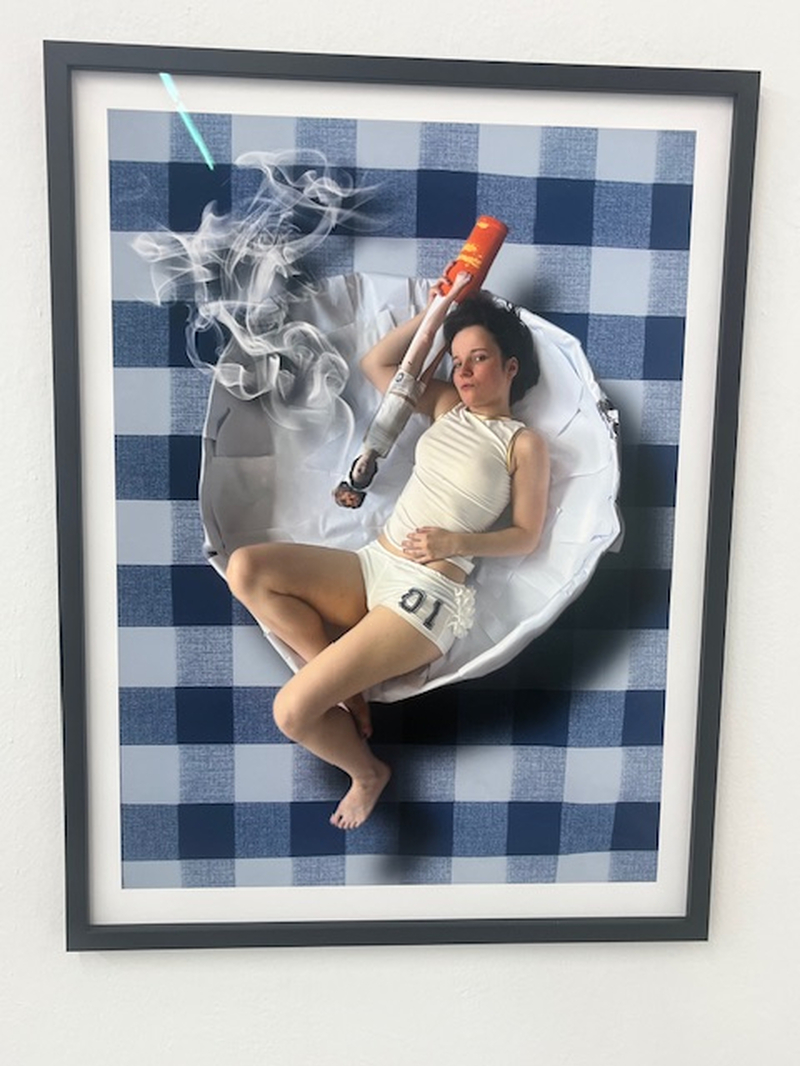
On my visit I took in another ‘tenant’, the Museum Haus Konstruktiv, “the leading institution for constructivist-concrete and conceptual art in Switzerland”. It wasn’t for me. Across the road I found unexpected redemption in a one room private gallery upstairs in an apartment block. Heading for the tram I stumbled upon a sign promoting Martin Parr x Maya Golyshkina. So I found myself enjoying a playful photographic collaboration between our own great social documenter and an equally eccentric young Russian artist. Fun, fun, fun. The exhibition is on at the Nicola von Senger Gallery until November 15. This finally blew away any preconceptions I had of Zurich as remotely stuffy.
After so much art it’s good to grab a beer. As I did overlooking the fast-flowing Limmat at the laid-back Haus am Fluss, which also offers Thai small plates.
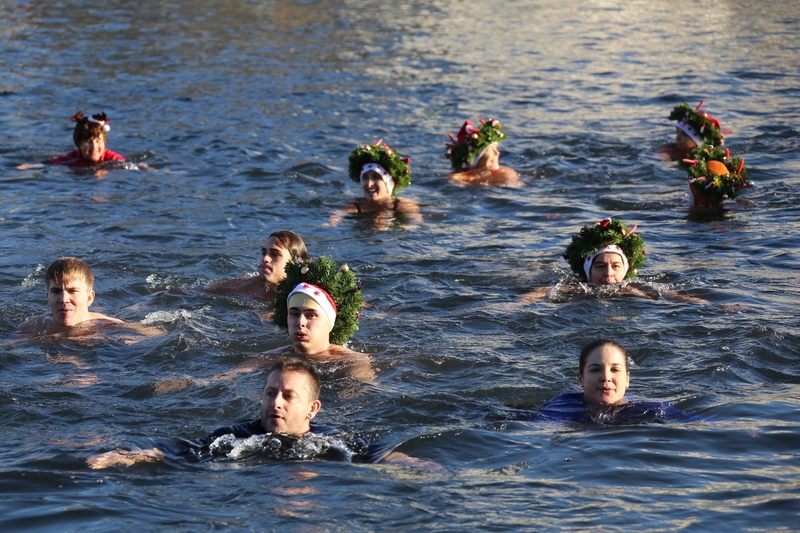
As in other Swiss cities such as Basel the locals, at the drop of a cozzie, think nothing of jumping in any available water for a swim. Here, flowing from the Lake it’s very pure. Still I resisted taking the plunge.
Turkish delights and foamy treats on the wrong side of the tracks
As you’d expect in such a wealthy city there is an abundance of Michelin-starred restaurants, yet also a surprising amount of inspired global cuisine. With its Bib Gourmand Turkish champion Gül ticks both boxes. Tucked away in its courtyard, this joyous family operation provided my favourite meal in town, its focus firmly on the fierce grills behind the open kitchen. Flatbreads and dips as good as they get.

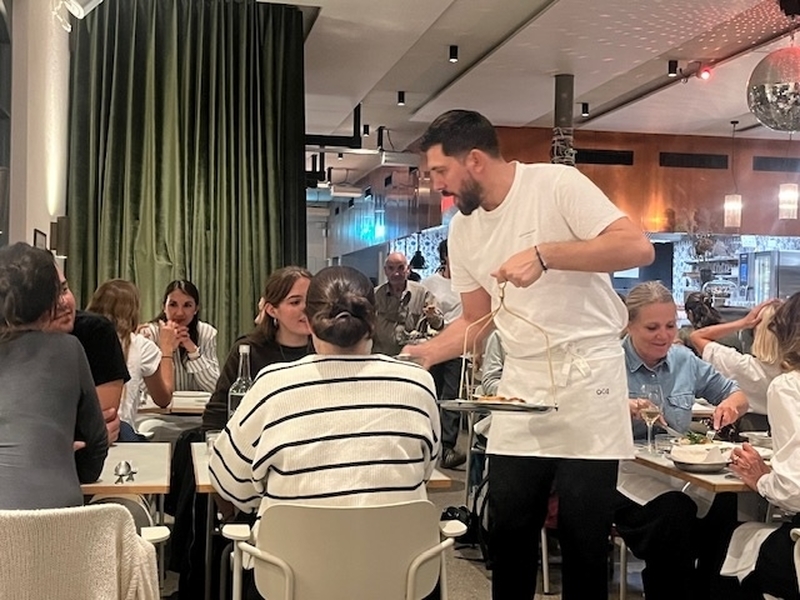
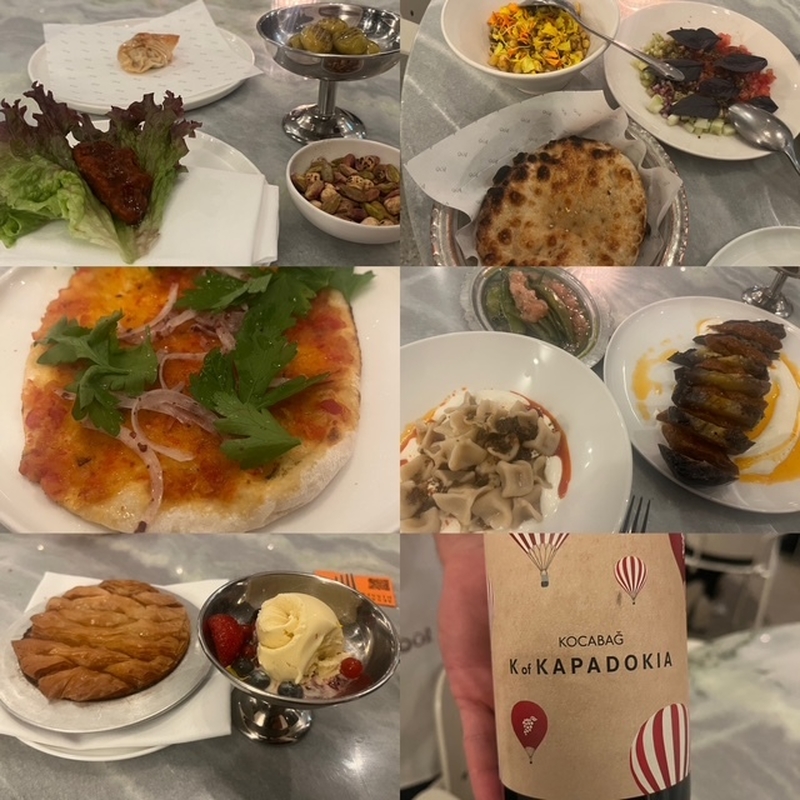
Worth the trek across Zürich’s second river, the Sihl, into a neighbourhood dominated by the swathe of major rail lines to the north. Maybe that baklava at the end was one generous course too many, but somehow I found room for an IPA a five minute walk away at Bierwerk Züri with arguably the city’s best craft beer offering from their brew tanks. Recommended.

Fact file
Neil Sowerby flew with SWISS (Swiss International Air Lines) from Manchester Terminal 2 to Zürich; the rail shuttle into the city takes just 15 minutes.
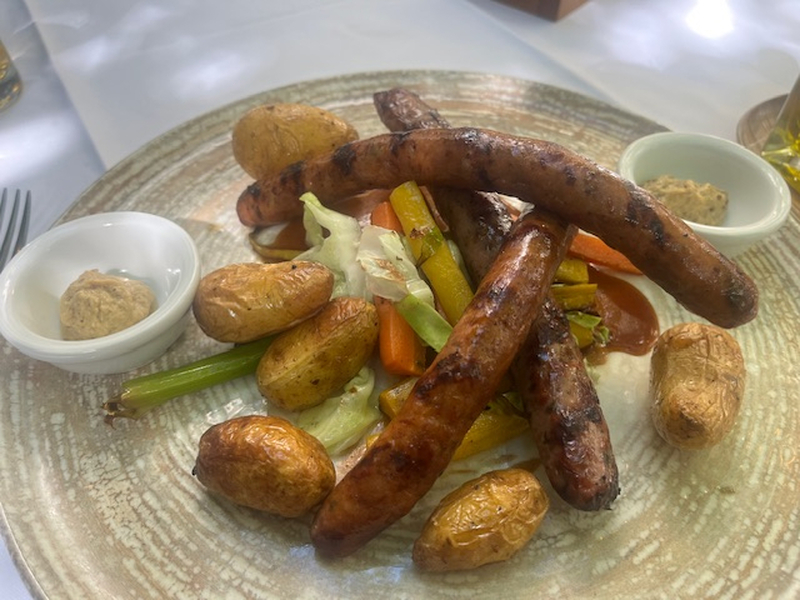
He stayed at the four star Sorrell Hotel Seidenhof, Sihlstrasse 9, 8001 Zürich, which offers 78 boutique bedrooms behind its Art Deco facade. It’s a 10 minute walk from the Hauptbahnhof (main station). Its enja restaurant provided the perfect weary traveller’s lunch of ‘Züri Wurst Trio mit Bratkartoffeln’ in its attractive courtyard garden. The fresh fish on the menu was sourced from Lake Zürich.
For Zürich tourism information visit this linkand for Switzerland this.
An indispensable partner while visiting the city is the Zürich Card. It offers unlimited use of local public transport, free entry to most major attractions and 50 per cent off selected public city tours. Prices range from 29 Swiss francs for 24 hours to 56 Swiss francs for 72 hours. Reductions for 6-15 year olds. Load it on your smartphone via the app.